Mother
71% of Indian Women Are Anaemic Before They Get Pregnant. This Is Not a Statistic. This Is a Crisis That Is Harming Mothers and Babies Right Now.
motherly·June 2, 2026
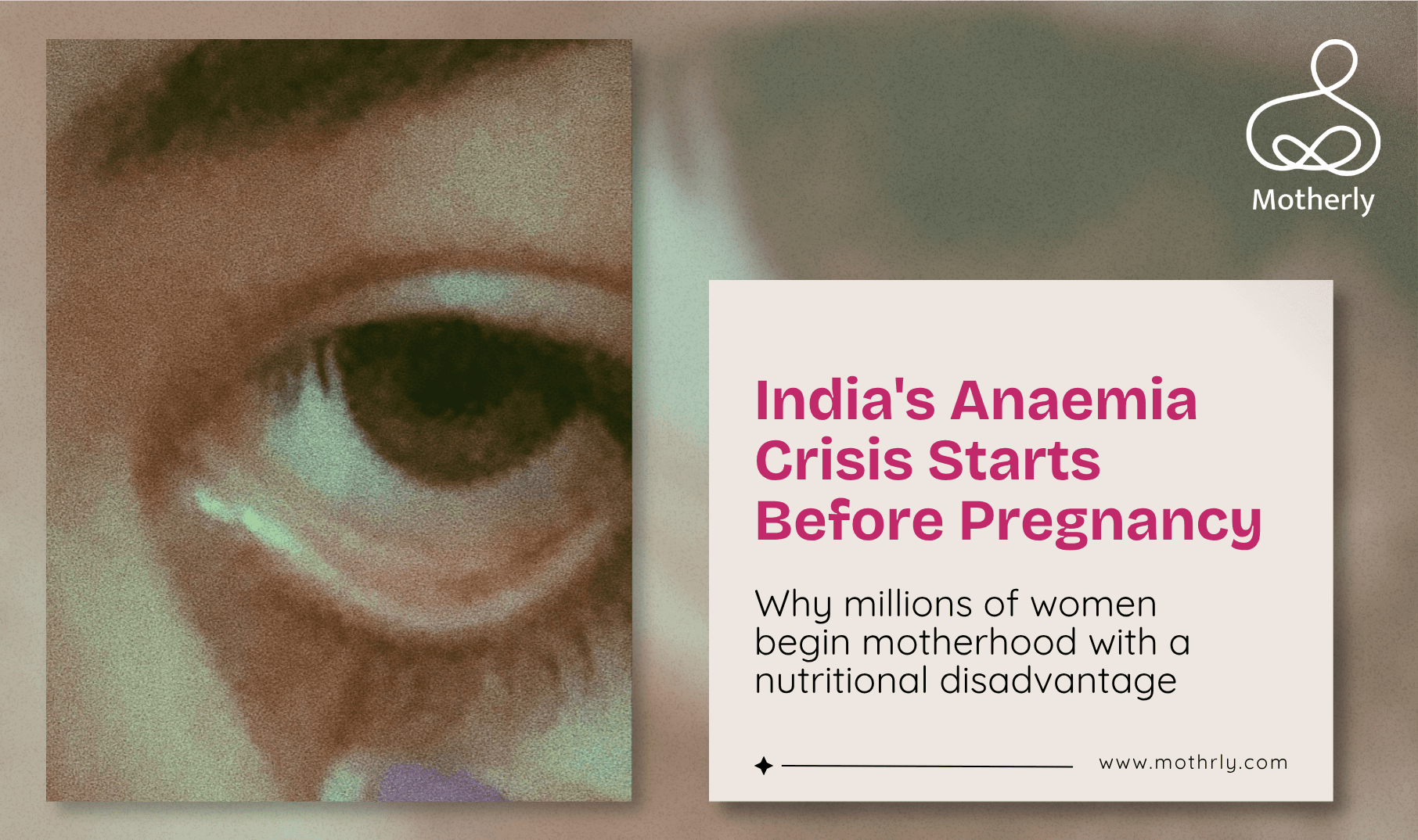
Motherly — 71% of Indian women are anaemic before pregnancy. Here is what anaemia does, why it is so prevalent, and what genuinely works to address it.
The National Family Health Survey data consistently places the prevalence of anaemia among Indian women of reproductive age above 50%, with some states and demographic groups reporting figures above 70%. This means that the majority of women who become pregnant in India do so with iron stores that are already insufficient, entering a pregnancy that will make significantly greater demands on their iron status, in a healthcare system that lacks the infrastructure to identify and address iron deficiency before it produces clinical anaemia. The consequences of this situation are not abstract — they include higher rates of maternal mortality, preterm birth, low birth weight, poor foetal brain development, and infants who are themselves iron-deficient from birth.
Why anaemia is so prevalent in Indian women
The drivers of anaemia in Indian women are multiple and intersecting. First, dietary factors: predominantly plant-based diets that provide non-haem iron with lower bioavailability, compounded by dietary patterns that include inhibitors of iron absorption (tea, calcium-rich foods, phytates from unleavened grains). Second, physiological factors: monthly menstrual blood loss that depletes iron stores progressively, particularly in women with heavy periods who are rarely investigated or treated.
"The consequences of this situation are not abstract — they include higher rates of maternal mortality, preterm birth, and low birth weight."
Reproductive and societal stressors
Third, reproductive factors: closely spaced pregnancies and inadequate inter-pregnancy recovery time that deplete iron stores before the next pregnancy begins. Fourth, social factors: lack of routine iron status screening in non-pregnant women, and widespread cultural normalisation of fatigue, breathlessness, and pallor as simply how women feel.
What actually moves the needle
Universal iron supplementation during pregnancy, which is national policy in India, is necessary but insufficient given that most women begin supplementation already depleted. Addressing anaemia before pregnancy — through routine screening and treatment of iron deficiency in reproductive-age women — would have far greater impact on maternal and infant outcomes than improving supplementation compliance during pregnancy. Dietary education that goes beyond telling women to eat green leafy vegetables — which they are already told — to addressing the specific dietary pairings and preparations that maximise iron absorption and retention. And systematic investigation and treatment of menstrual heavy bleeding, which affects a significant proportion of women and which is a major driver of iron depletion that is entirely treatable.
You Are Not Alone
Motherly provides anaemia prevention guidance, iron-rich meal planning, and Ayurvedic iron support for Indian women across the reproductive lifespan.
Keep Reading
DOULA CARE
The Complete Guide to Choosing the Right Doula for Your Birthing Journey
Choosing a doula? Learn what a doula does, how to interview candidates, check training and costs, and spot red flags be…
September 30, 2026
BREASTFEEDING
Overcoming Early Breastfeeding Challenges: Expert Advice from Lactation Consultants
Struggling with early breastfeeding? Lactation consultants explain how to fix latch problems, sore nipples, low milk wo…
September 30, 2026