Mother's Health
Antenatal Anxiety and Depression Affect One in Five Pregnant Women. The Conversation About Maternal Mental Health Cannot Wait Until After Birth
motherly·May 26, 2026
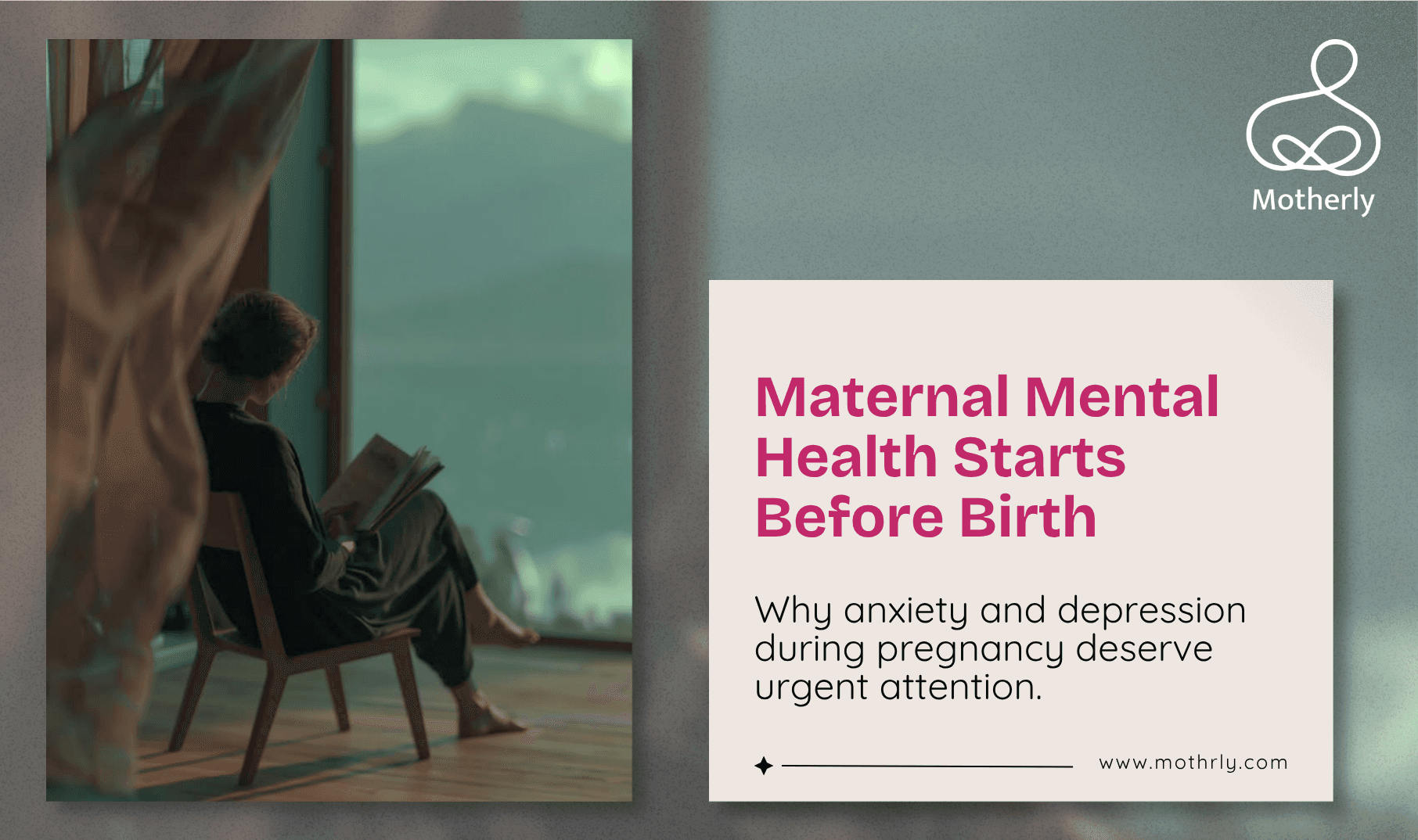
Motherly — Antenatal anxiety and depression affect 1 in 5 pregnant women. Maternal mental health cannot wait until after birth. Here is what to look for and where to get help.
The public conversation about maternal mental health in India focuses almost entirely on postpartum depression—the mood disorder that develops after birth. But the mental health of pregnant women during pregnancy itself—antenatal anxiety and depression—is equally prevalent, equally consequential, and even less visible and supported. Approximately 20% of pregnant women in India experience clinically significant anxiety or depression during pregnancy. Many of them do not disclose it, do not receive support, and carry it silently through one of the most important transitions of their lives.
“Supporting maternal mental health during pregnancy is not just about the mother’s wellbeing. It is about the lifelong health trajectory of the child.”
Why antenatal mental health matters for the baby
The psychological state of the mother during pregnancy has direct physiological effects on the developing foetus through the hormonal environment she creates. Chronic antenatal anxiety is associated with elevated cortisol levels in the foetal environment, which has been linked to altered stress response systems in the infant, higher rates of premature birth, and lower birth weight. The child of a highly anxious pregnant woman is physiologically primed for a high-threat environment—a priming that increases the risk of anxiety disorders in childhood and adulthood. Supporting maternal mental health during pregnancy is not just about the mother’s wellbeing. It is about the lifelong health trajectory of the child.
The cultural factors that increase antenatal distress in India
Indian pregnant women carry specific cultural stressors that amplify the universal anxieties of pregnancy. Gender preference pressure—the experience of being asked about or expected to produce a son—creates distress that is unique to the Indian context and is associated with significantly elevated rates of antenatal depression. The physical demands of continuing to manage household responsibilities through pregnancy, often without adequate rest or support, in a culture that does not widely recognise the physiological demands of pregnancy as requiring accommodation. The anxiety of financial insecurity during a period of anticipated income reduction. These stressors are real, they have physiological consequences, and they deserve both individual support and cultural critique.
Prioritize Your Mental Wellbeing
Motherly provides mental health support, peer community, and professional consultation for pregnant women navigating the emotional dimensions of this journey. Your mental health matters.
Keep Reading
DOULA CARE
The Complete Guide to Choosing the Right Doula for Your Birthing Journey
Choosing a doula? Learn what a doula does, how to interview candidates, check training and costs, and spot red flags be…
September 30, 2026
BREASTFEEDING
Overcoming Early Breastfeeding Challenges: Expert Advice from Lactation Consultants
Struggling with early breastfeeding? Lactation consultants explain how to fix latch problems, sore nipples, low milk wo…
September 30, 2026