Pregnancy Tips
Ayurveda Has Been Guiding Indian Pregnancies for 5000 Years. Here Is What the Classical Texts Say And Why It Still Applies Today
motherly·May 26, 2026
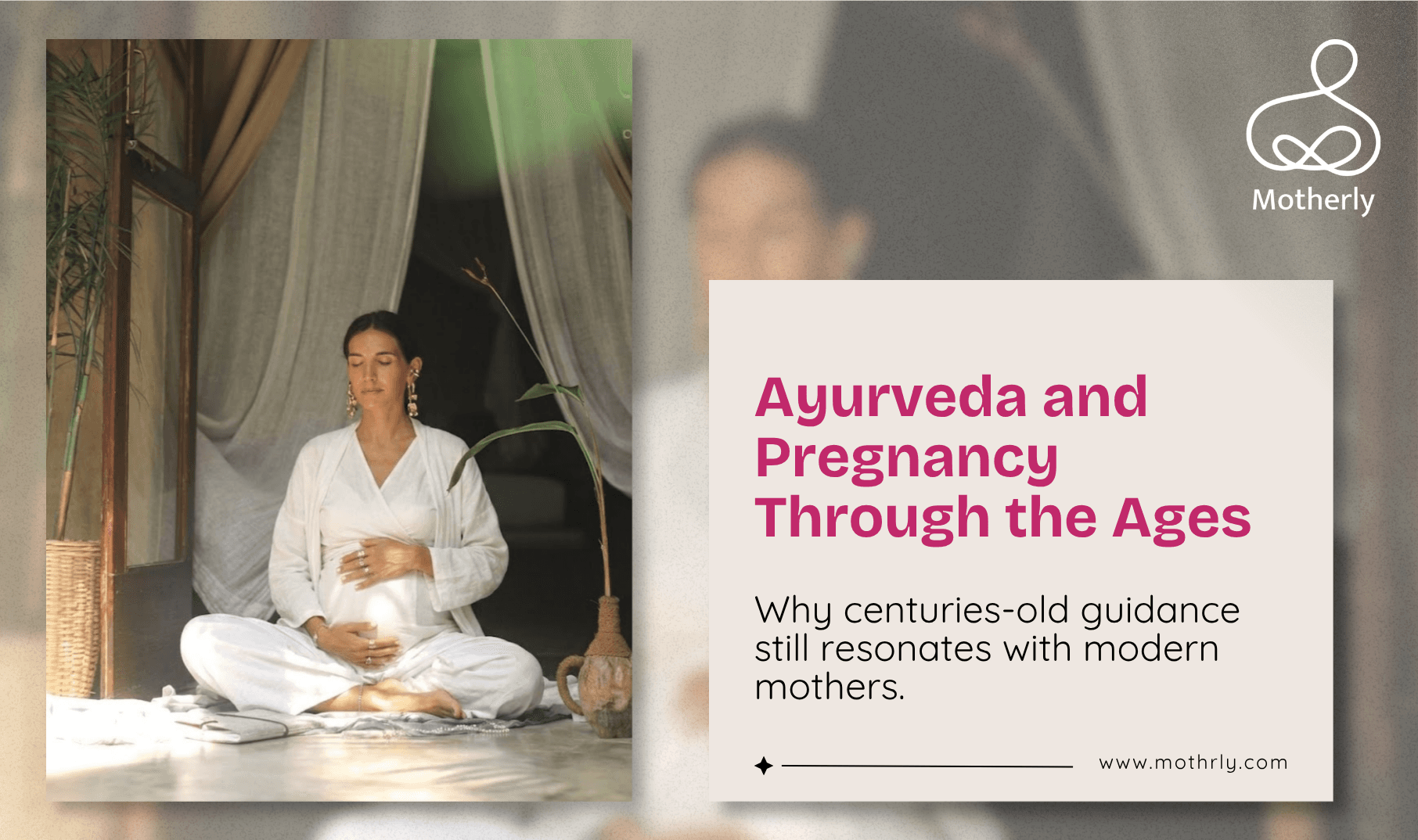
Motherly — Ayurveda has guided Indian pregnancies for five millennia. Here is what classical texts say about garbha sanskar, diet and ritual — and what still applies today.
The Ayurvedic approach to pregnancy, documented in the Ashtanga Hridayam and other classical texts under the chapter of Garbhini Paricharya (care of the pregnant woman), represents one of the most comprehensive and thoughtful frameworks for pregnancy management in the history of medicine. It addresses not just the physical health of the mother and the developing child, but the psychological, spiritual, and social dimensions of pregnancy in a way that contemporary obstetric medicine, for all its technical sophistication, rarely approaches.
“Ayurveda addresses not just the physical health of the mother and the developing child, but the psychological, spiritual, and social dimensions of pregnancy.”
Month by month guidance from the classical texts
The classical Ayurvedic framework divides pregnancy into monthly stages, each with specific dietary, lifestyle, and herbal recommendations. In the first month, sweet and cooling foods including milk with honey and ghee are recommended, along with complete rest and gentle emotional support. In the second month, milk preparations with specific herbs support the forming tissues. By the fourth month, foods that are sweet, unctuous (containing healthy fats), and easily digestible are emphasised as the Manah Pradurbhava (first expressions of consciousness) in the foetus begin. By the seventh month, specific preparations are recommended to support lung maturation in the foetus. By the ninth month, enemas (Basti) with specific oils are used to support the downward movement of Vata and prepare the body for birth. These recommendations, filtered through contemporary understanding, represent a sophisticated protocol that is increasingly being validated by modern research.
Herbal support in pregnancy — what is safe and what is beneficial
Shatavari (Asparagus racemosus) is considered the queen of Ayurvedic herbs for women’s health and is used throughout pregnancy to support hormonal balance, nourish the reproductive tissues, and promote healthy lactation. It is among the most studied Ayurvedic herbs and has an excellent safety profile in pregnancy. Ashwagandha, while deeply beneficial for pre-conception preparation, is generally avoided in pregnancy due to its uterine stimulating properties at high doses. Amalaki (Indian gooseberry) is safe throughout pregnancy and provides exceptional Vitamin C, antioxidant support, and digestive support. Shatapushpa (Dill) supports digestion and reduces nausea. Any herbal preparation in pregnancy should be taken under the guidance of a qualified Ayurvedic practitioner who can assess the individual’s constitution and needs.
Ayurvedic Wisdom Meets Modern Care
Motherly integrates authentic Ayurvedic pregnancy guidance with modern evidence-based care. The wisdom of 5,000 years, in a format for today.
Keep Reading

DOULA CARE
The Complete Guide to Choosing the Right Doula for Your Birthing Journey
Choosing a doula? Learn what a doula does, how to interview candidates, check training and costs, and spot red flags be…
September 30, 2026

BREASTFEEDING
Overcoming Early Breastfeeding Challenges: Expert Advice from Lactation Consultants
Struggling with early breastfeeding? Lactation consultants explain how to fix latch problems, sore nipples, low milk wo…
September 30, 2026