Pregnancy Tips
Birth Plans Are Not Naive. They Are a Conversation. How to Write One That Actually Gets Respected in an Indian Hospital.
motherly·May 30, 2026
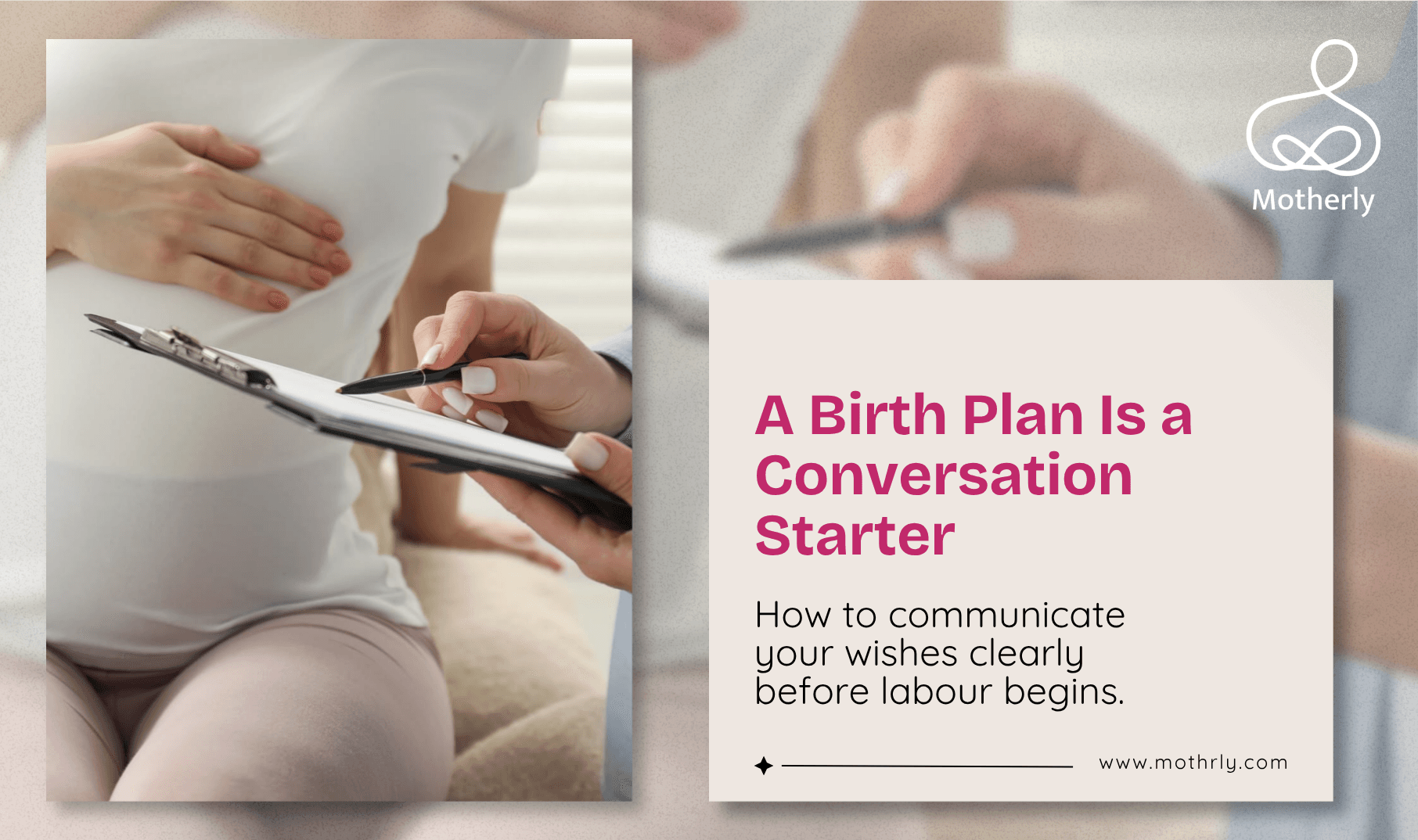
Motherly — A birth plan is not a control document — it is a communication tool. Here is how to write one that works in the Indian hospital context and represents your actual wishes.
A birth plan is frequently misunderstood — by the women writing them and by the medical professionals receiving them. It is not a contract, not a guarantee, and not a list of demands. It is a communication document — a way of introducing yourself to the team that will care for you during labour, sharing your values and preferences, and facilitating a conversation about your care in advance of the moment when everything is happening at once and nuanced communication becomes difficult. Written well and presented appropriately, a birth plan is respected. Written as a list of non-negotiable demands, it can create resistance. Understanding the difference is the most important part of the exercise.
“A birth plan is frequently misunderstood. It is not a contract, not a guarantee, and not a list of demands. It is a communication document — a way of introducing yourself to the team that will care for you.”
Understanding the Indian hospital context first
In the Indian private hospital model, care is typically consultant-led and protocol-driven, with less emphasis on individualised birthing preferences than in midwifery-led models found in some other countries. The high caesarean rate in private Indian hospitals — among the highest in the world — reflects institutional pressures and risk-averse practice cultures that exist independently of individual patients' preferences. In this context, a birth plan is most effective when framed as a collaborative document rather than a refusal document. The tone should be: 'I would like to discuss these preferences with you before labour begins' rather than 'I will not accept X.' The former invites conversation. The latter creates a defensive response.
What to include in a practical, effective birth plan
Who you want present during labour and birth. Your preferences about pain relief — whether you want to be offered an epidural, whether you want to try without pharmacological pain management and ask if you want it later, whether you want all available options discussed openly. Your preferences about episiotomy — you can specifically request that episiotomy is not performed without your consent and discussion of the reason, unless there is an acute emergency. Your wishes about immediate skin-to-skin contact after birth, with a specific note if this is important to you after caesarean section. Your preferences about delayed cord clamping. Your wishes about the first feed — breast or formula or both. Keep the plan to one page — shorter is more likely to be read and remembered.
How to present it to maximise respect
Share the document at your 36-week appointment, not in labour, and discuss it with your specific obstetrician — not the front desk. Ask them to review each point and tell you which are standard practice at the facility and which might require special arrangement. This conversation achieves two things: it ensures your preferences are documented in your notes before admission, and it reveals any significant mismatches between your preferences and the facility's usual practice in time to have a real conversation about it, or to reconsider your choice of hospital if the mismatch is significant. A doctor who dismisses your birth plan entirely without discussion is worth noting as a communication signal about what labour will be like.
Prepare for Birth with Knowledge
Motherly prepares you for birth with knowledge, not fear. We are here to support your birthing preference decisions with evidence-based solutions.
Keep Reading

DOULA CARE
The Complete Guide to Choosing the Right Doula for Your Birthing Journey
Choosing a doula? Learn what a doula does, how to interview candidates, check training and costs, and spot red flags be…
September 30, 2026

BREASTFEEDING
Overcoming Early Breastfeeding Challenges: Expert Advice from Lactation Consultants
Struggling with early breastfeeding? Lactation consultants explain how to fix latch problems, sore nipples, low milk wo…
September 30, 2026