Newborn Care
Birth Trauma Is Real. It Is Not Weakness. And It Cannot Be Resolved by Being Told You Should Be Grateful for a Healthy Baby.
motherly·May 27, 2026
Motherly — Birth trauma is real and cannot be dismissed with 'at least the baby is healthy'. Here is what it looks like and how to heal.
Birth trauma — the psychological wound that can result from a birth experience characterised by fear, pain, loss of control, lack of information, or perceived threat to life — affects a significant proportion of women who give birth. Estimates suggest that approximately 30% of women describe their birth as traumatic, and up to 6% develop Post-Traumatic Stress Disorder following birth. These numbers are not widely known. The cultural response to a birth that did not go as hoped is almost universally to focus on the healthy outcome — ‘you have a beautiful baby, that’s what matters.’ This response is well-intentioned and completely inadequate.
“The cultural response to a birth that did not go as hoped is almost universally to focus on the healthy outcome: ‘you have a beautiful baby, that’s what matters.’ This response is well-intentioned and completely inadequate.”
What birth trauma looks like
The symptoms of birth trauma are similar to PTSD in any context: intrusive memories of the birth, flashbacks triggered by sensory reminders, avoidance of thoughts, conversations, or situations associated with the birth, emotional numbness, difficulty bonding with the baby, hypervigilance and hyperarousal, sleep disturbances, and in some cases, terror of a future pregnancy. These symptoms are real, they interfere significantly with the experience of new parenthood, and they are treatable. But they first require acknowledgment — which a culture that equates a healthy baby with a successful birth systematically fails to provide.
What actually helps birth trauma
The most evidence-supported treatments for birth trauma are trauma-focused cognitive behavioural therapy (TF-CBT) and EMDR (Eye Movement Desensitisation and Reprocessing). Both require a qualified therapist. What also helps significantly, in the period before formal treatment is sought, is the opportunity to tell the story of the birth in a supported, non-judgmental context. A midwife, doula, or counsellor who will listen to the full account of the birth experience without rushing to the positive outcome, who will acknowledge what was frightening and what was not acceptable, who will validate the emotional experience without minimising it — this witnessing is the beginning of healing.
Support for Every Birth Story
Motherly holds space for every birth story — including the difficult ones. Our community and professional support are here for you.
Keep Reading
DOULA CARE
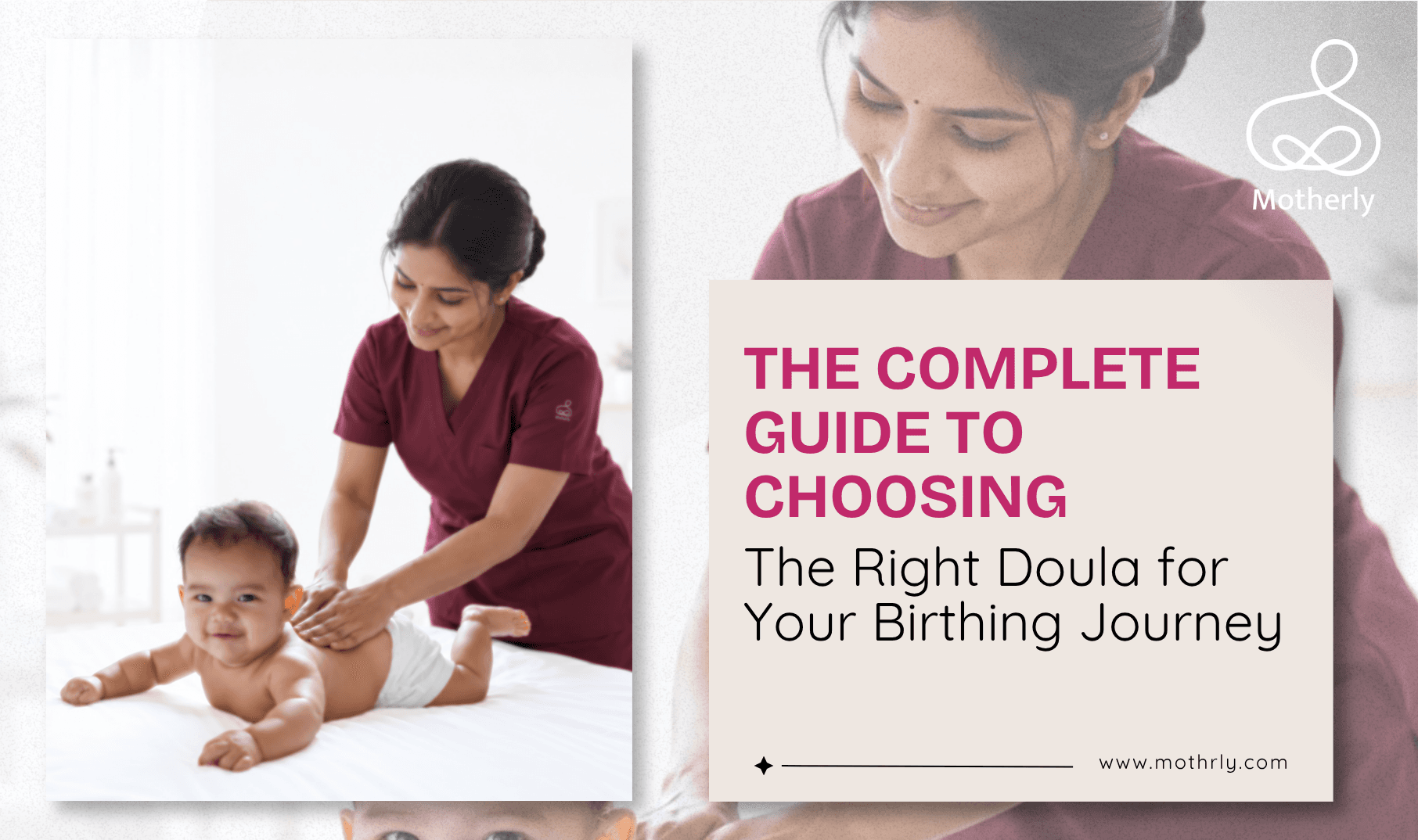
The Complete Guide to Choosing the Right Doula for Your Birthing Journey
Choosing a doula? Learn what a doula does, how to interview candidates, check training and costs, and spot red flags be…
September 30, 2026
BREASTFEEDING
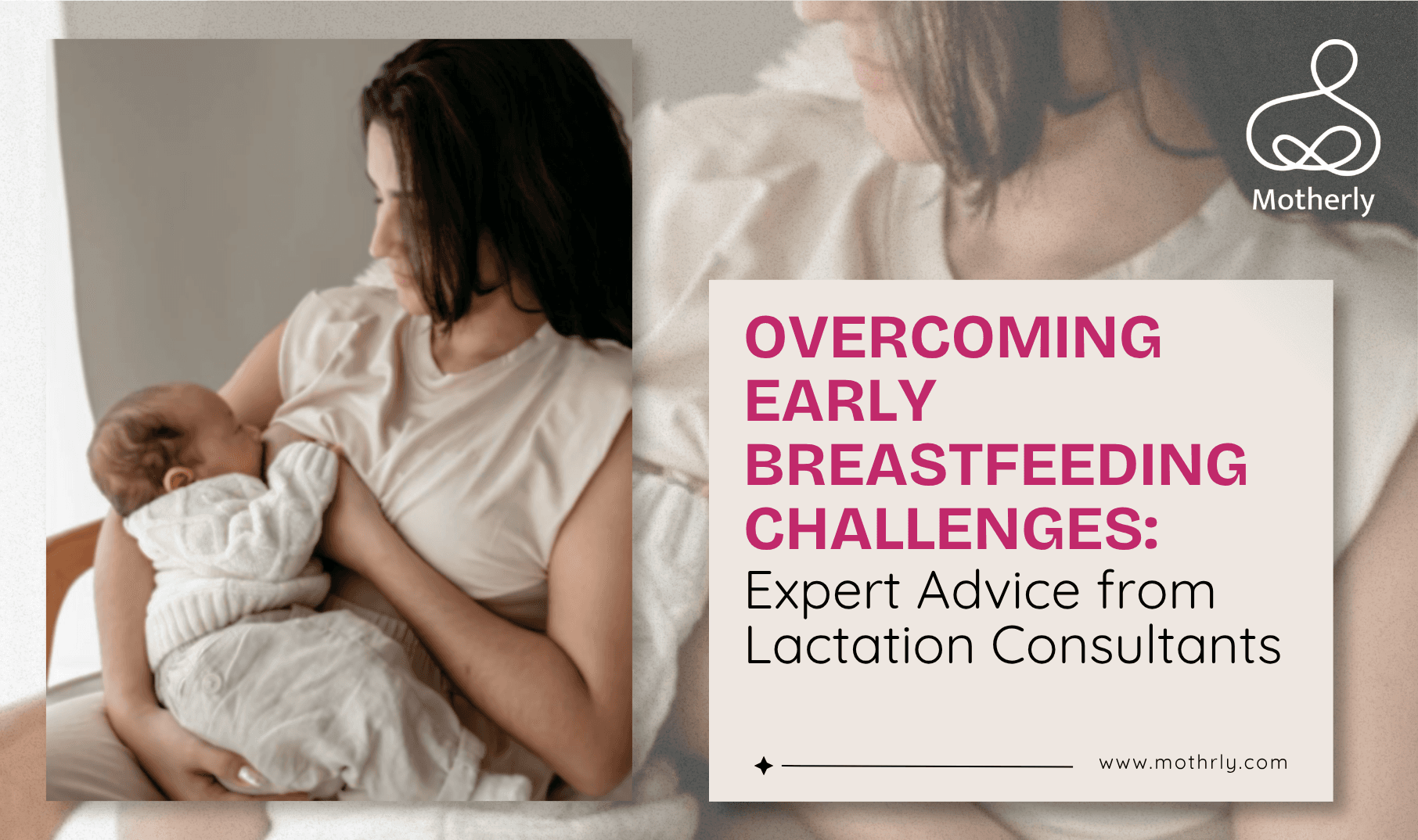
Overcoming Early Breastfeeding Challenges: Expert Advice from Lactation Consultants
Struggling with early breastfeeding? Lactation consultants explain how to fix latch problems, sore nipples, low milk wo…
September 30, 2026