Mother
Breast Milk Is Not Simply Food. It Is the Most Complex Biological Substance Known to Science. Here Is What It Actually Contains.
motherly·May 28, 2026
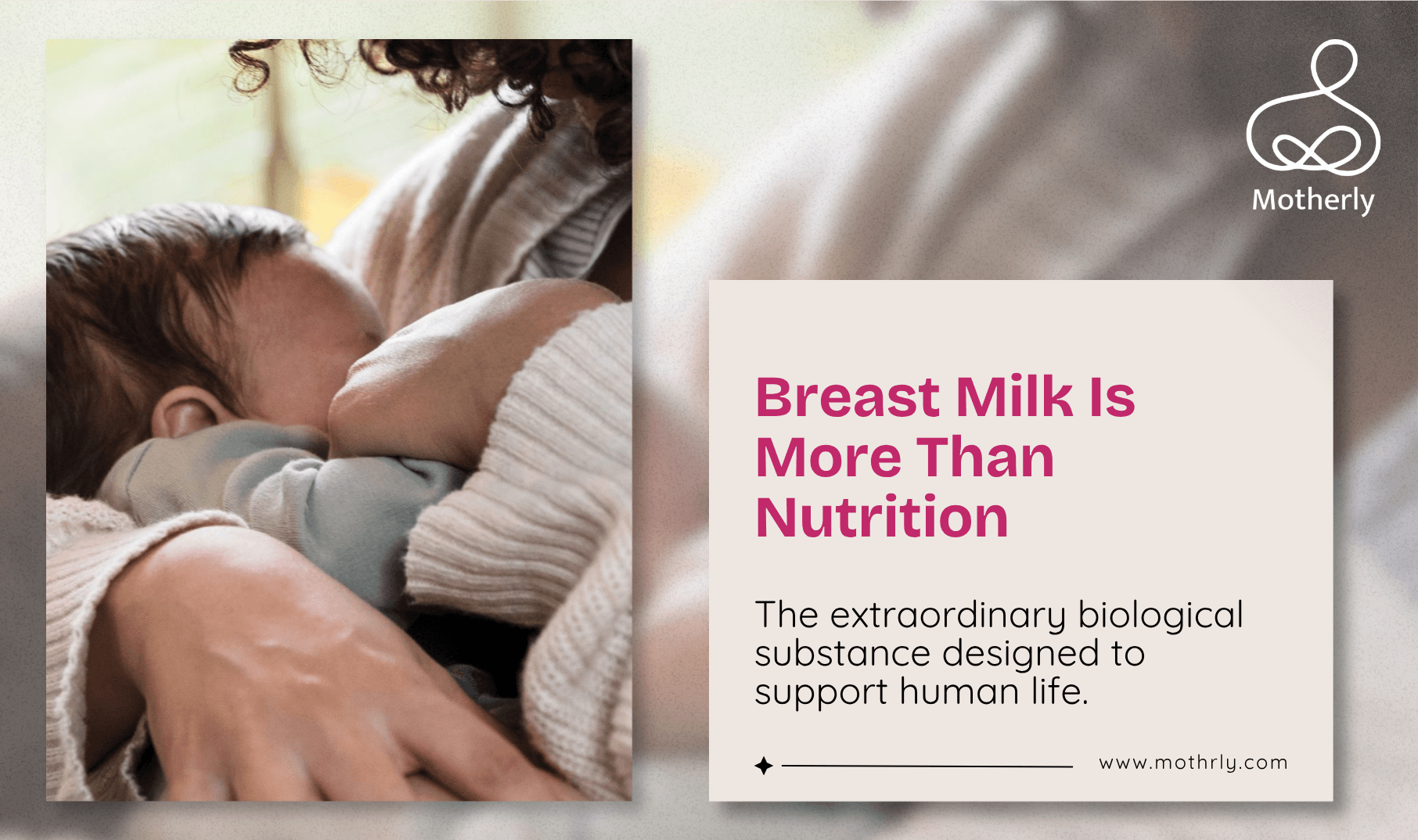
Motherly — Breast milk is not simply food. It is the most complex biological substance known, designed to nourish, protect, and guide infant development with extraordinary precision.
Breast milk has been studied intensively for decades, and scientists are still discovering new components and functions. What is already known is extraordinary. Breast milk contains over a thousand different proteins, hundreds of types of lipids, and complex carbohydrates called human milk oligosaccharides that are specifically designed not to nourish the baby directly but to feed specific beneficial bacteria in the infant gut. It contains antibodies, especially sIgA, that coat the infant's gut and respiratory lining with passive immune protection. It contains living cells including stem cells, immune cells, and microbiome bacteria that are transferred from mother to infant and have roles that are only beginning to be understood. It contains hormones that regulate appetite, growth, and sleep. It changes in composition minute by minute, feed by feed, day by day, and month by month, always responding to the changing needs of the developing infant with a precision that no formula has ever achieved or approached.
Human milk oligosaccharides - the most extraordinary component you've never heard of
Human milk oligosaccharides (HMOs) are a class of complex carbohydrates that represent the third most abundant component of breast milk after lactose and fat. They are indigestible by the infant. They pass through the small intestine intact and reach the colon, where they selectively feed Bifidobacterium infantis, a specific beneficial bacteria that colonises the healthy breastfed infant's gut and dominates the microbiome in a way that is associated with significantly reduced rates of infection, allergy, autoimmune disease, and inflammatory conditions. There are over 200 different HMO structures in human milk, and formula companies have so far successfully synthesised two. The gap between breast milk and formula, in terms of microbiome support alone, remains enormous.
"Breast milk keeps adapting in real time to meet the changing needs of a growing baby."
What breastfeeding does for the mother
The benefits of breastfeeding for the infant are widely discussed. The benefits for the mother receive less attention. Breastfeeding significantly reduces the lifetime risk of breast cancer, and each year of breastfeeding across a woman's reproductive life reduces breast cancer risk by approximately 4.3%. It reduces the risk of ovarian cancer. It accelerates postpartum uterine involution through oxytocin release, reducing postpartum bleeding. It is associated with lower rates of type 2 diabetes, cardiovascular disease, and osteoporosis in later life. The oxytocin released during breastfeeding has anti-anxiety and mood-regulating effects that support maternal wellbeing. Lactational amenorrhoea, the suppression of ovulation during exclusive breastfeeding, provides natural though not complete contraceptive protection and gives the maternal body time to replenish resources between pregnancies.
Every Mother Deserves Support
Motherly provides comprehensive breastfeeding support, including lactation guidance, nutrition for milk production, and community. Because every mother who wants to breastfeed deserves to succeed.
Keep Reading

DOULA CARE
The Complete Guide to Choosing the Right Doula for Your Birthing Journey
Choosing a doula? Learn what a doula does, how to interview candidates, check training and costs, and spot red flags be…
September 30, 2026
BREASTFEEDING
Overcoming Early Breastfeeding Challenges: Expert Advice from Lactation Consultants
Struggling with early breastfeeding? Lactation consultants explain how to fix latch problems, sore nipples, low milk wo…
September 30, 2026