Mother
Returning to Work Does Not Have to Mean Stopping Breastfeeding. Here Is the Honest Guide to Doing Both.
motherly·May 28, 2026
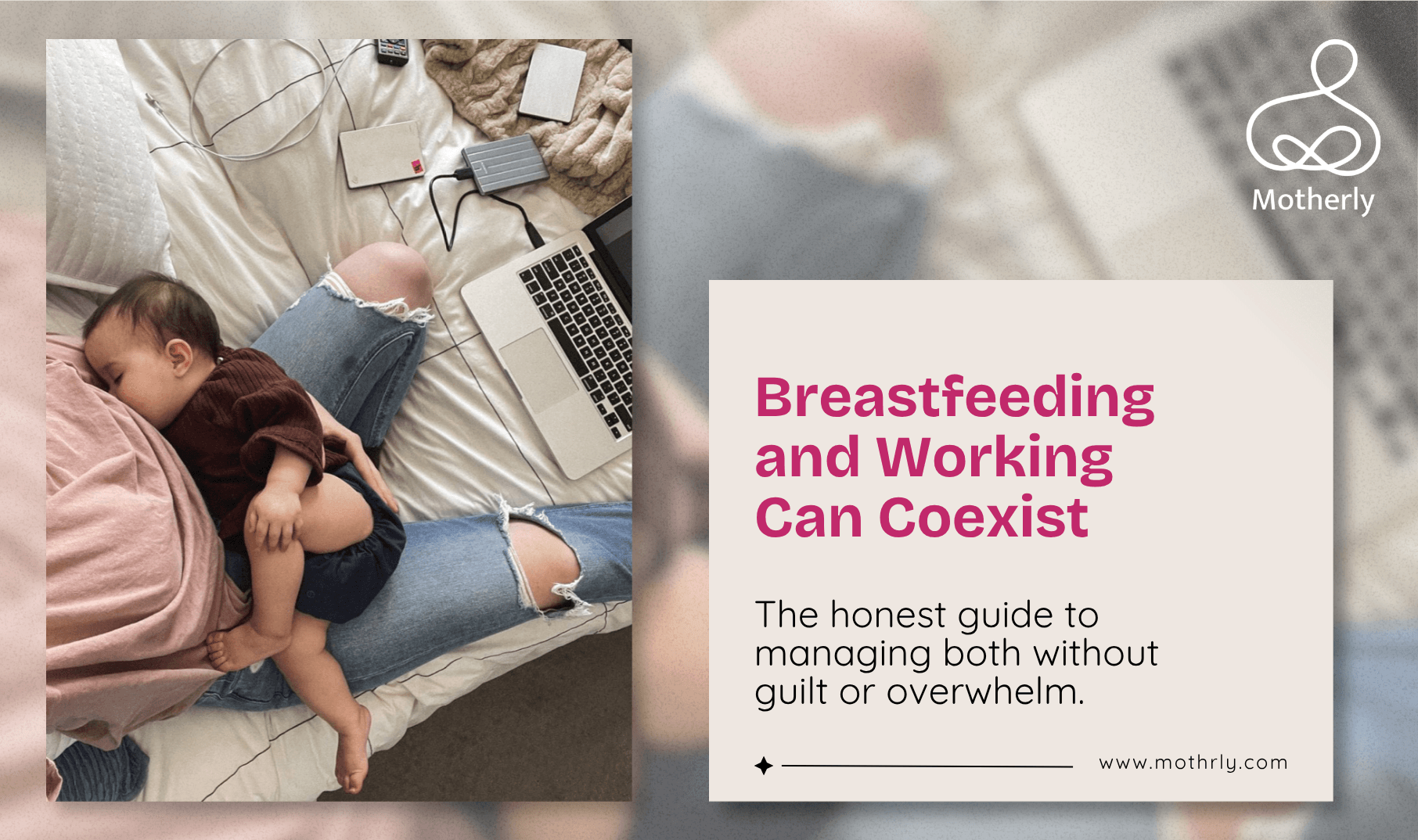
Motherly — Returning to work is one of the most common pressure points in breastfeeding, but with planning and support, mothers can continue both careers and breastfeeding journeys.
One of the most common points of breastfeeding discontinuation in urban Indian women is the return to work, typically at three to six months postpartum. The Maternity Benefit (Amendment) Act 2017 extended paid maternity leave to 26 weeks for the first two children, and requires creche facilities in establishments above a certain size. But the gap between legal provision and practical reality remains significant. Most workplaces do not provide adequate pumping facilities. Cultural discomfort around breastfeeding in public and semi-public settings limits a mother's ability to feed when away from home. And the logistical demands of maintaining milk supply through pumping while managing work responsibilities are significant and largely invisible to employers.
The practical guide to pumping at work
A mother returning to work who wants to continue breastfeeding needs to maintain milk supply by replacing missed feeds with pumping sessions. The general principle: pump as many times as the baby would feed during the hours you are away. For a baby feeding every three hours, this means at least two to three pumping sessions during an eight-hour workday. Consistency matters more than duration. Shorter, more frequent pumping sessions are more effective for supply maintenance than longer, less frequent ones. A hospital-grade or high-quality double electric pump significantly reduces pumping time and improves output compared to manual or single pumps. Establishing pumping in the weeks before return to work allows the mother to build a freezer supply and identify logistical challenges before they become supply crises.
"Going back to work does not have to mean the end of breastfeeding."
Supporting the breastfeeding employee - what employers can do
The evidence consistently shows that employer support for breastfeeding, specifically a clean, private space for pumping that is not a toilet, protected break time for pumping, and a positive workplace culture around breastfeeding, significantly improves breastfeeding duration. Employers who provide this support benefit from improved employee retention, reduced absenteeism (breastfed infants have lower illness rates, reducing care-related absences), and greater employee loyalty and satisfaction. The business case for breastfeeding support is clear. Organisations that want to attract and retain women in their most productive years cannot afford to ignore it.
Work and Breastfeeding Can Coexist
Motherly provides pumping and working breastfeeding support, including schedules, guidance, and community for mothers navigating return to work.
Keep Reading

DOULA CARE
The Complete Guide to Choosing the Right Doula for Your Birthing Journey
Choosing a doula? Learn what a doula does, how to interview candidates, check training and costs, and spot red flags be…
September 30, 2026

BREASTFEEDING
Overcoming Early Breastfeeding Challenges: Expert Advice from Lactation Consultants
Struggling with early breastfeeding? Lactation consultants explain how to fix latch problems, sore nipples, low milk wo…
September 30, 2026