Parenting
Breastfeeding for Six Months Adds Measurable Points to Your Child’s IQ. Here Is the Science Behind the Most Important Nutritional Gift You Can Give.
motherly·May 28, 2026
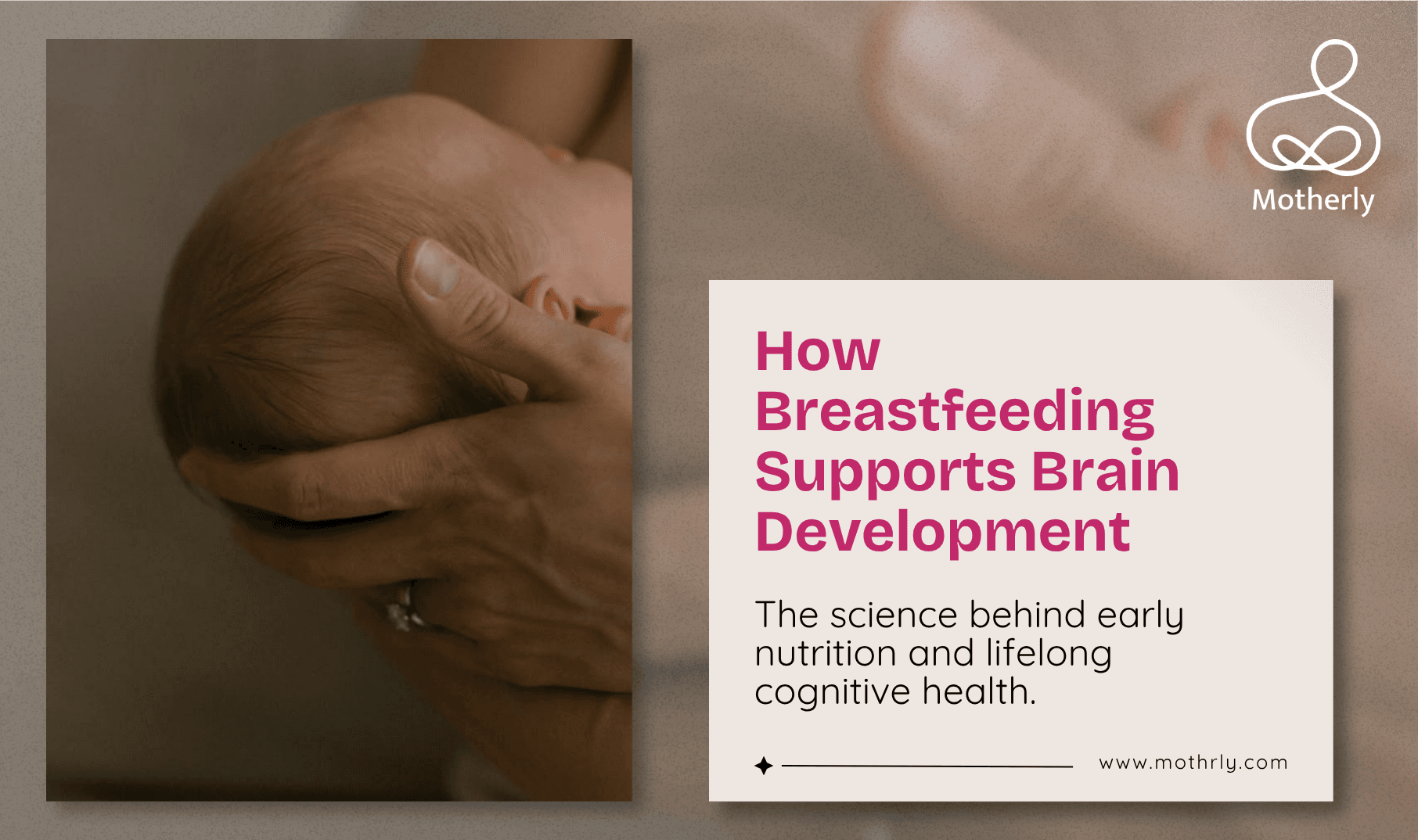
Motherly — Breastfeeding supports brain development through bioavailable nutrients that help build the neural architecture of learning, memory, and cognition.
The relationship between breastfeeding duration and cognitive development is among the most studied questions in nutritional paediatrics. The evidence, while requiring careful interpretation to separate the effects of breastfeeding from confounding factors associated with breastfeeding in epidemiological studies, consistently shows a positive association between breastfeeding duration and measures of cognitive development including IQ, language acquisition, and academic achievement.
The biological mechanism is increasingly understood. The long-chain polyunsaturated fatty acids in breast milk, particularly DHA and arachidonic acid, are essential building blocks of the developing brain and visual cortex. The infant brain grows faster in the first two years of life than at any other period, tripling in size from birth to age two. The quality of the fat supply available during this period has consequences for the quality and density of neural connections being built. Breast milk provides DHA in a form that is highly bioavailable and in concentrations that correlate with maternal dietary intake. Formula provides synthetic DHA additions that are absorbed and used less effectively.
What the large-scale studies show
A landmark study in Belarus, the PROBIT trial, randomly assigned maternity hospitals to a breastfeeding promotion intervention and followed children for years. The children in the breastfeeding promotion group, who had significantly higher rates of exclusive breastfeeding, scored measurably higher on IQ tests and teacher-rated academic performance at age 6.5 years than children in the control group. This is among the strongest causal evidence available because randomisation addresses the confounding that limits observational studies. The effect sizes, while not enormous in absolute terms, are meaningful at a population level and are consistent with the biological mechanism.
"Breastfeeding is not just feeding growth - it is feeding cognition."
Why this matters in everyday parenting decisions
Parents often feel pressure to make feeding decisions quickly and with incomplete information. The current evidence suggests that continuing breastfeeding for at least six months is one of the most meaningful nutritional investments available during a period of rapid brain growth. Even modest average gains in cognitive outcomes become significant when viewed across a population, and at the individual family level, breastfeeding remains a practical way to support both immediate nourishment and long-term developmental potential.
Support for Every Feed
Motherly supports breastfeeding as the most significant nutritional investment you can make in your child's developing brain. We are here for every feed.
Keep Reading

DOULA CARE
The Complete Guide to Choosing the Right Doula for Your Birthing Journey
Choosing a doula? Learn what a doula does, how to interview candidates, check training and costs, and spot red flags be…
September 30, 2026
BREASTFEEDING
Overcoming Early Breastfeeding Challenges: Expert Advice from Lactation Consultants
Struggling with early breastfeeding? Lactation consultants explain how to fix latch problems, sore nipples, low milk wo…
September 30, 2026