Lactation
Can Stress Cause Miscarriage in the First Trimester?
motherly·May 4, 2026
The Short Answer
Occasional, everyday stress does not cause miscarriage. The research on this is fairly consistent. A typical stressful day — an argument at home, a difficult workday, exam anxiety — does not directly trigger pregnancy loss.
However, chronic, severe, unmanaged stress — particularly when it involves physical exhaustion, severe anxiety, or trauma — may affect pregnancy outcomes through indirect pathways. The key word here is ‘may’ — the relationship is not one of simple cause and effect.
What Does Research Actually Say?
- Most miscarriages (around 50 to 80%) are caused by chromosomal abnormalities in the embryo — not by maternal behaviour or stress
- Acute psychological stress (a single stressful event) has not been shown to cause miscarriage in otherwise healthy pregnancies
- Chronic stress may affect cortisol levels, immune function, and blood flow — factors that theoretically could affect implantation and early placental development
- Severe stressors — domestic violence, bereavement, extreme trauma — are associated with slightly elevated risk of complications, though the relationship is complex
- The vast majority of women who experience significant stress still carry healthy pregnancies to term
How Stress Affects the Pregnant Body
Stress triggers the release of cortisol and adrenaline. In the short term, this is normal and manageable. But chronic activation of this stress response can:
Raise Blood Pressure
A risk factor for pre-eclampsia and general cardiovascular strain during pregnancy.
Suppress Immune Function
Making you more susceptible to infections during pregnancy.
Affect Sleep Quality
Which in turn affects foetal development and your ability to cope with other pregnancy demands.
Disrupt Nutrition
Reducing appetite or triggering comfort eating — affecting critical nutrient intake in pregnancy.
Worsen Nausea and First Trimester Symptoms
Chronic stress amplifies physical symptoms including nausea and fatigue.
Stress Factors Particularly Common in Indian Pregnancies
Indian mothers face a unique constellation of stressors that deserve specific acknowledgment:
- Gender pressure — anxiety about the sex of the baby, sometimes from extended family
- Joint family dynamics — navigating expectations from in-laws during pregnancy
- Financial stress — especially in urban metros where cost of living is high
- Work pressure — Indian working mothers often continue demanding schedules deep into pregnancy
- Social isolation — first-time mothers away from their natal family (particularly common after marriage migration)
- Fear of labour — tocolophobia is underdiagnosed in Indian women
What Actually Causes First Trimester Miscarriage?
| ❌ Myth | ✔ Fact |
|---|---|
| Stress is a leading cause of miscarriage | Chromosomal abnormalities cause 50 to 80% of early miscarriages — not stress |
| If you miscarried, you must have done something wrong | Most early miscarriages are beyond anyone’s control — they are nature’s response to an embryo that cannot develop fully |
| Being happy guarantees a healthy pregnancy | Emotional state cannot prevent or cause chromosomal issues |
| Crying or being upset harms the baby | Emotional expression is healthy. Suppressing emotions can be more harmful than experiencing them |
What You Can Do to Manage Stress in Early Pregnancy
Physical Practices
1
Gentle Yoga and Pranayama
Shown to reduce cortisol in pregnant women. Avoid inversions and strong twists in the first trimester.
2
Short Daily Walks
Even 15 to 20 minutes reduces stress hormones. Walking during pregnancy is safe and actively encouraged for most women.
3
Regular, Balanced Meals
Skipping meals worsens anxiety and blood sugar instability. See our first trimester pregnancy diet for guidance on eating well.
4
Adequate Sleep
Prioritise 7 to 9 hours. Use a pillow between your knees for comfort in the first trimester onward.
Emotional and Social Support
5
Talk to Someone
A trusted friend, your mother, or a professional counsellor. Naming and sharing your fears reduces their hold significantly.
6
Set Boundaries with Family
Set boundaries with family members who are adding to your stress. Your doctor can speak with family members on your behalf if needed.
7
Journalling
Writing down fears can help externalise and process them. Even 10 minutes a day can noticeably reduce anxiety over time.
8
Join a Pregnancy Support Group
Motherly connects you with other Indian mothers in similar stages — community and shared experience are powerful stress reducers.
When to Seek Professional Help
If you are experiencing persistent anxiety, intrusive thoughts, inability to eat or sleep, or feeling unable to cope — please speak to a mental health professional. Perinatal mental health support is available in India and is increasingly covered by insurance.
When to Get Expert Support — Motherly Is Here
Gynaecologists
Prenatal care and reassurance when anxiety about your pregnancy feels overwhelming.
Doulas
Compassionate emotional support through the first trimester — trained to reduce prenatal stress and build your confidence.
Lactation Consultants
Plan ahead for breastfeeding — reducing uncertainty postpartum starts in pregnancy.
Postnatal Nannies
Trusted in-home newborn care so you can rest — book early for peace of mind.
Your Mental Health Matters as Much as Your Physical Health. Motherly Is Ready
Motherly connects you with compassionate doulas and maternal care professionals who support the whole mother — not just the bump.
Free to download · Android & iOS · Book in under 2 minutes · mothrly.comFAQs — Can Stress Cause Miscarriage in First Trimester?
I had a big fight during my pregnancy. Could it have harmed my baby?
One argument — even a heated one — will not cause miscarriage. The stress response from a single incident, while uncomfortable, is not powerful enough to disrupt a healthy pregnancy. Please let go of this guilt.
I am so anxious about miscarrying that I’m constantly stressed. Is this making things worse?
Anxiety about pregnancy loss is extremely common and understandable, especially after a prior loss. While severe chronic anxiety does deserve attention and support, the worry itself is not going to cause what you fear. Speaking to a counsellor or your doctor about pregnancy anxiety is the most helpful step.
My mother-in-law says I’m too stressed and will lose the baby. What do I say?
This is, unfortunately, a harmful thing to say to a pregnant woman. You can gently explain that miscarriage is not caused by normal stress, and that such comments increase anxiety rather than help. If needed, your doctor can speak with family members on your behalf.
How does Motherly support mothers experiencing pregnancy anxiety?
Motherly connects you with verified gynaecologists for clinical reassurance and doulas trained in emotional and mental wellness support during pregnancy. All professionals are available through the Motherly app — free to download on Android and iOS — or at mothrly.com.
Useful Resources & Guides
Keep Reading
DOULA CARE
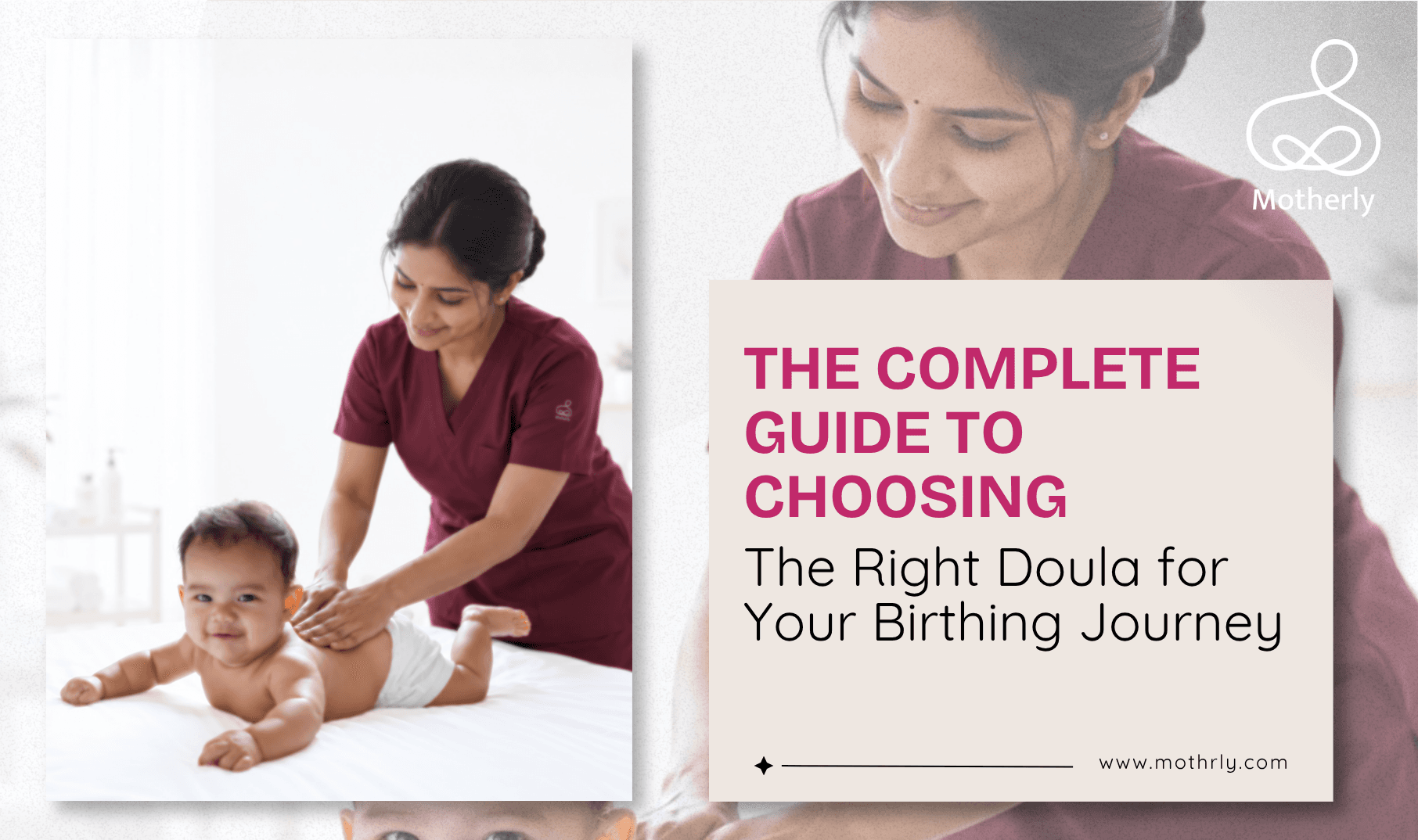
The Complete Guide to Choosing the Right Doula for Your Birthing Journey
Choosing a doula? Learn what a doula does, how to interview candidates, check training and costs, and spot red flags be…
September 30, 2026
BREASTFEEDING
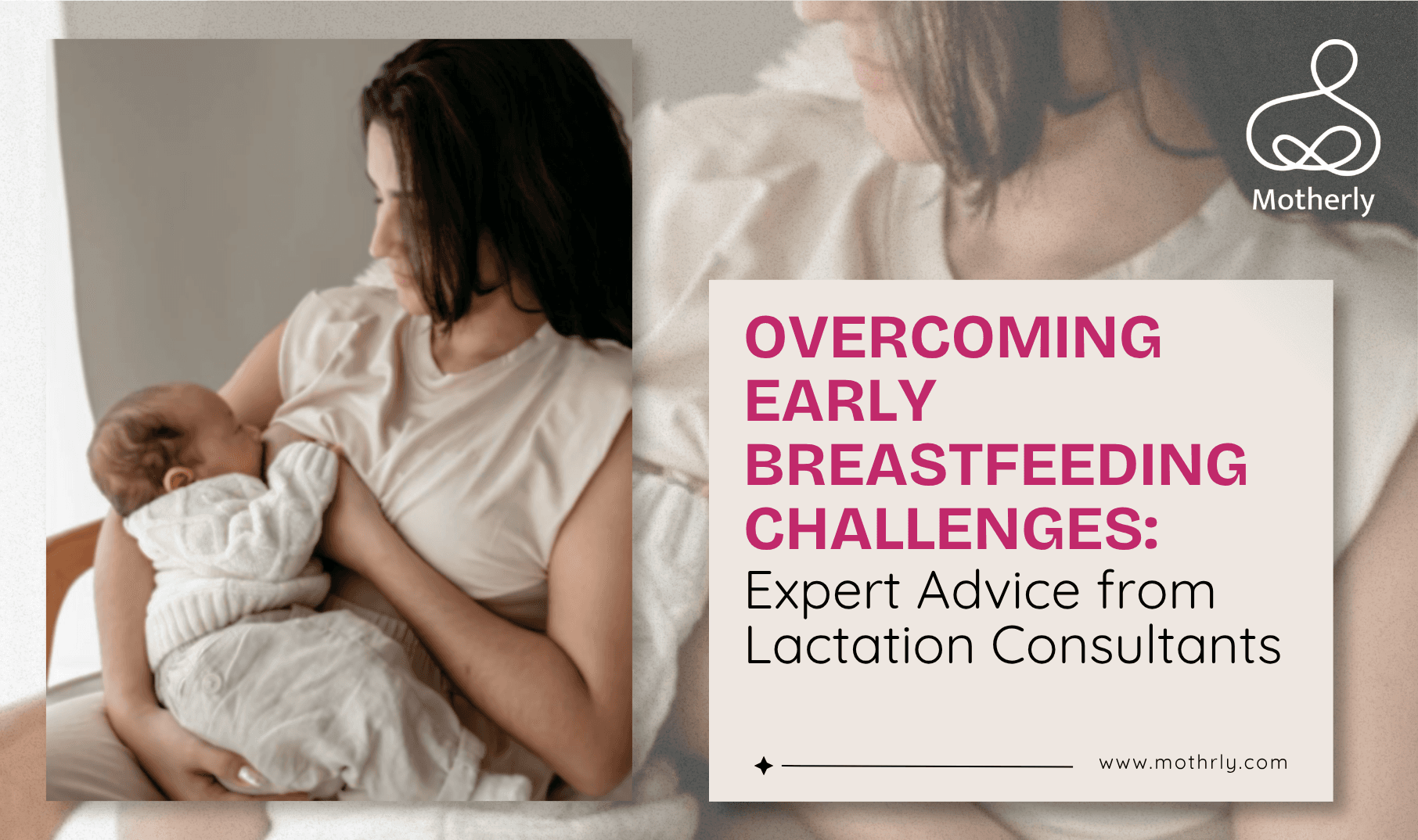
Overcoming Early Breastfeeding Challenges: Expert Advice from Lactation Consultants
Struggling with early breastfeeding? Lactation consultants explain how to fix latch problems, sore nipples, low milk wo…
September 30, 2026
Contact
© 2026 Motherly Home Care. All rights reserved. Your health, our heartbeat.
Made with favorite love for mothers everywhere