Pregnancy Tips
Eating for Two Is One of the Most Harmful Pieces of Pregnancy Advice Ever Given. Here Is What You Actually Need
motherly·May 26, 2026
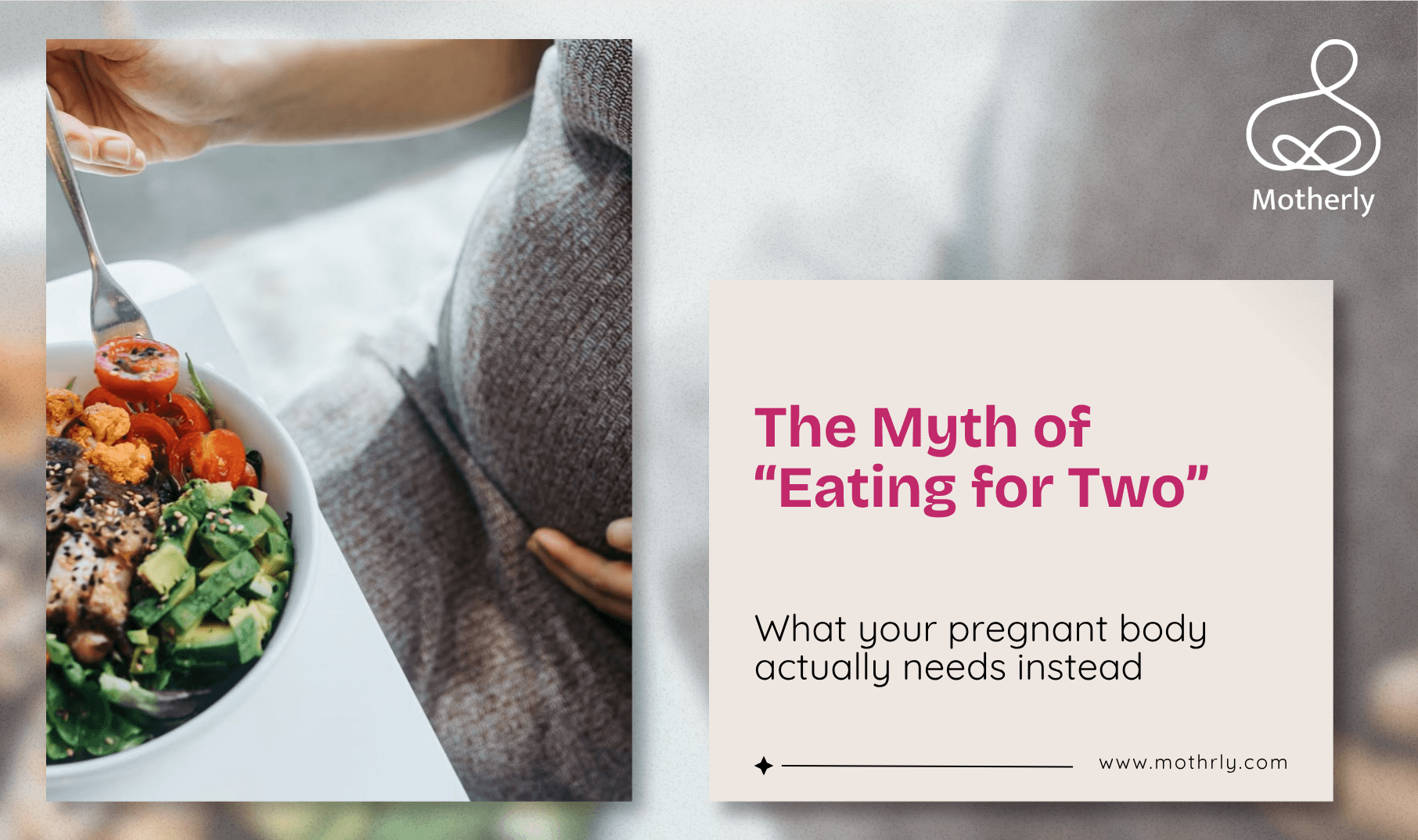
Motherly — Eating for two is one of the most harmful pregnancy myths in India. Here is what real pregnancy nutrition looks like by trimester.
The phrase ‘eating for two’ has been responsible for more maternal weight gain, more gestational complications, and more dietary confusion than almost any other piece of nutritional mythology in obstetric history. It implies that a pregnant woman needs double her normal food intake. She does not. In the first trimester, she needs no additional calories at all. In the second trimester, she needs approximately 300 to 350 additional calories per day—the equivalent of a glass of milk and a small handful of nuts. In the third trimester, approximately 450 additional calories. The phrase ‘eating for two’ should be replaced by a different phrase: ‘eating more carefully for one, with a specific set of additional nutritional needs.’
“The phrase ‘eating for two’ should be replaced by a different phrase: ‘eating more carefully for one, with a specific set of additional nutritional needs.’”
The nutrient density principle for pregnancy
What changes most significantly during pregnancy is not the quantity of food required but the quality. The need for specific micronutrients—iron, calcium, folate, iodine, omega-3 fatty acids, Vitamin D, zinc, B12—increases significantly relative to baseline, while the caloric increase is modest. This means that the nutritional priority is dense, nutrient-rich food rather than more food. Every bite matters more than usual. Filling the additional appetite with empty calories—refined carbohydrates, sweets, fried foods—misses the opportunity to nourish both the mother and the developing child with the specific building blocks they need.
Iron in pregnancy — the most critical and most commonly deficient nutrient
Iron deficiency anaemia affects an estimated 50 to 60% of pregnant women in India—among the highest rates in the world. The consequences are significant: maternal anaemia is associated with premature birth, low birth weight, impaired infant brain development, and higher maternal mortality in severe cases. The iron requirement in pregnancy approximately doubles relative to non-pregnant requirements, and dietary iron from plant sources (non-haem iron) is absorbed at only 5 to 10% efficiency compared to 25 to 30% for haem iron from animal sources. Building iron levels through both dietary choices (dark leafy vegetables, legumes, seeds, and for non-vegetarians, lean meat) and supplementation, and pairing iron sources with Vitamin C to enhance absorption, is among the most important nutritional tasks of pregnancy.
The Ayurvedic pregnancy diet — wisdom that modern nutrition validates
Ayurvedic dietary guidelines for pregnancy, drawn from classical texts and refined through clinical practice, recommend foods that are sweet, nourishing, easily digestible, and building of Ojas. Milk, particularly warm A2 cow’s milk with ghee, is considered the supreme pregnancy food—and its nutritional profile supports this: it provides calcium, iodine, B12, complete protein, and fat-soluble vitamins in a highly bioavailable form. Dates are recommended throughout pregnancy and particularly in the third trimester, and clinical evidence supports their consumption for supporting cervical ripening and reducing the need for labour induction. Rice, ghee, sesame, almonds, and well-cooked seasonal vegetables form the core of the classical pregnancy diet in a way that is nutritionally coherent and practically achievable for most Indian families.
Nourish Your Pregnancy the Right Way
Motherly provides trimester-specific nutrition guidance for Indian mothers that integrates the best of evidence-based nutrition and Ayurvedic wisdom.
Keep Reading
DOULA CARE
The Complete Guide to Choosing the Right Doula for Your Birthing Journey
Choosing a doula? Learn what a doula does, how to interview candidates, check training and costs, and spot red flags be…
September 30, 2026
BREASTFEEDING
Overcoming Early Breastfeeding Challenges: Expert Advice from Lactation Consultants
Struggling with early breastfeeding? Lactation consultants explain how to fix latch problems, sore nipples, low milk wo…
September 30, 2026