Mother's Health
Physical Readiness Gets All the Attention. Emotional Readiness for Motherhood Gets Almost None. This Is the Part Nobody Prepares You For
motherly·May 25, 2026
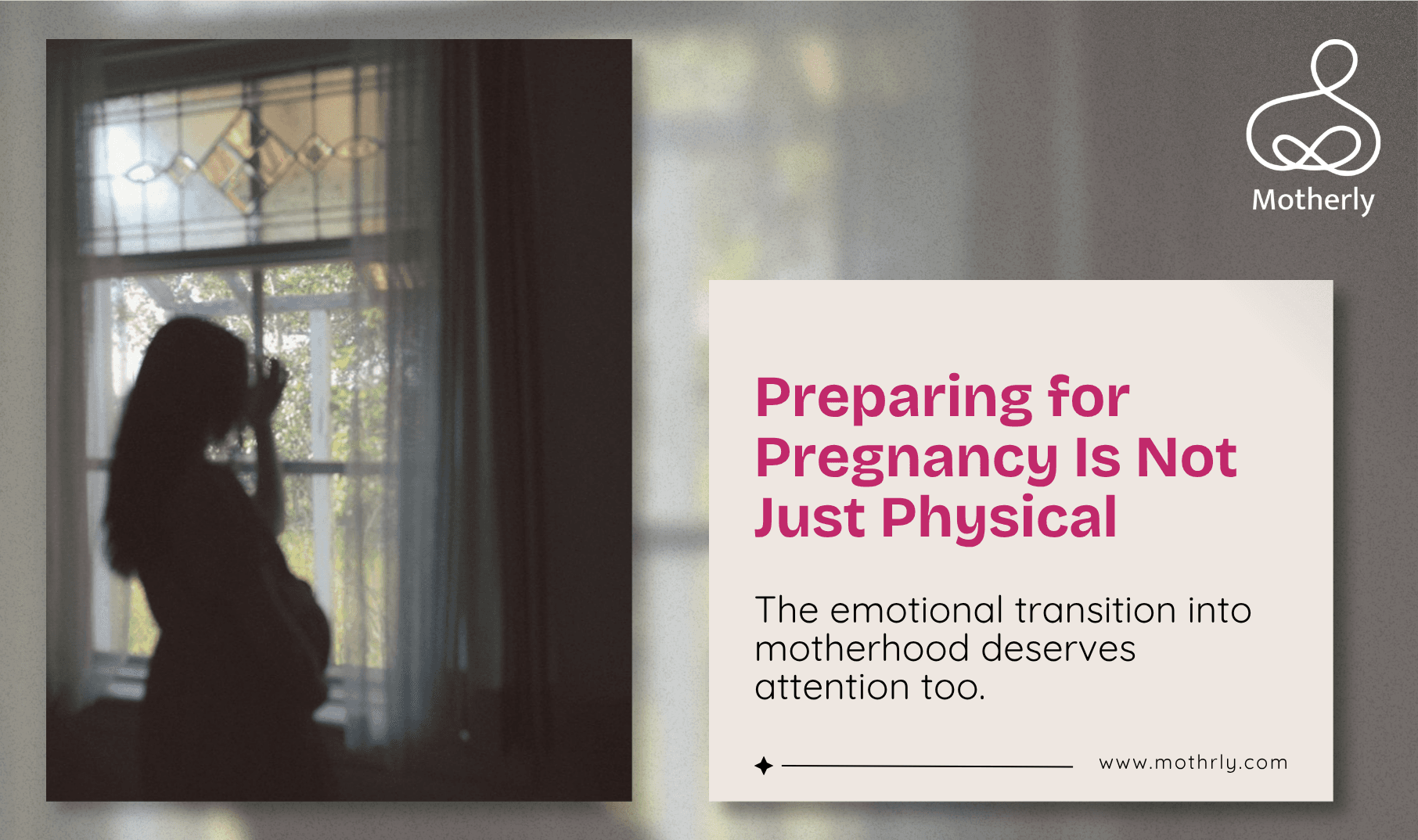
Motherly — Physical readiness gets all the attention, but emotional readiness for motherhood
is the deeper preparation. Here is how to do that inner work honestly.
The preparation for becoming a mother that is publicly discussed and culturally supported focuses almost entirely on the physical: the prenatal vitamins, the birth plan, the hospital bag, the nursery. These are important. But they are the smallest part of what a woman actually needs to navigate the transition into motherhood with integrity and wellbeing. The larger part—the psychological preparation for one of the most profound identity transformations a human being undergoes—receives almost no attention in conventional antenatal care or cultural conversation.
“The psychological preparation for one of the most profound identity transformations a human
being undergoes receives almost no attention in conventional antenatal care or cultural conversation.”
The identity transformation of motherhood
What does it actually mean to become a mother? Not in the practical sense, but in the sense of identity? Who were you before, and who will you be after? What parts of yourself will remain and what parts will be transformed? What do you carry from your own experience of being mothered—the gifts and the wounds—that you will need to examine before you mother someone else? These questions are not navel-gazing. They are the most important preparation work a woman can do, and the work that will most directly influence the quality of her presence as a mother.
What research shows about maternal mental health preparation
Women who engage in reflective practices during pregnancy—whether through therapy, journaling, supported discussion groups, or contemplative practices like meditation and yoga—report lower rates of postpartum anxiety and depression, stronger maternal self-confidence in the early weeks, and more secure attachment relationships with their infants.
The mechanism appears to be that reflective practices increase what psychologists call ‘mentalisation’—the ability to understand one’s own and others’ mental states. A mother with stronger mentalisation is better able to read and respond to her infant’s needs, manage her own emotional responses to the challenges of early motherhood, and maintain a coherent sense of herself through the transformation of new parenthood.
Prepare for the Whole Journey
Motherly supports the whole mother—physical, nutritional, emotional, and spiritual. The preparation that matters most begins here.
Keep Reading
DOULA CARE
The Complete Guide to Choosing the Right Doula for Your Birthing Journey
Choosing a doula? Learn what a doula does, how to interview candidates, check training and costs, and spot red flags be…
September 30, 2026
BREASTFEEDING
Overcoming Early Breastfeeding Challenges: Expert Advice from Lactation Consultants
Struggling with early breastfeeding? Lactation consultants explain how to fix latch problems, sore nipples, low milk wo…
September 30, 2026