Mother's Health
Exercise During Pregnancy Is Not Dangerous. Inactivity Is. What Indian Women Need to Know About Movement and Pregnancy
motherly·May 26, 2026
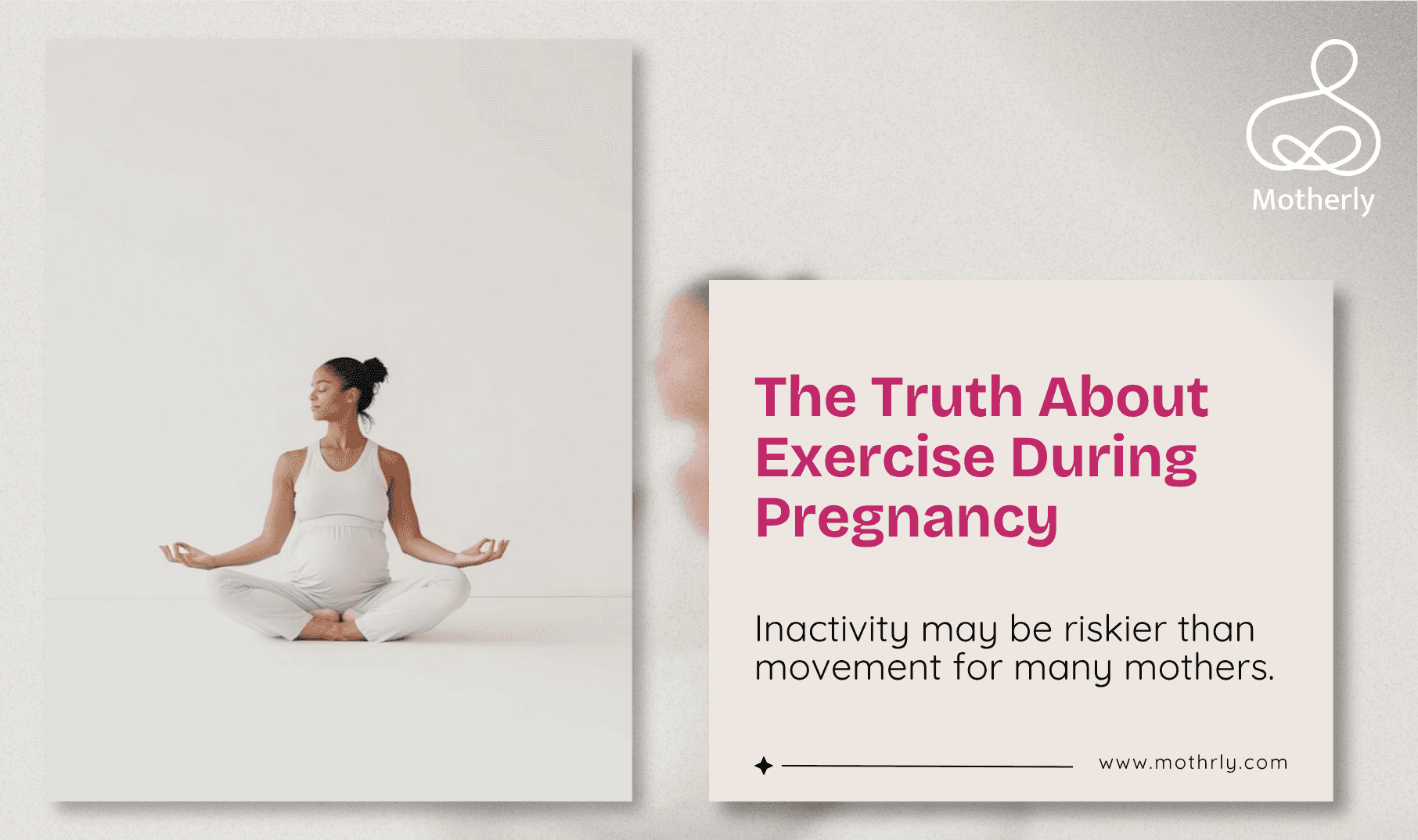
Motherly — Exercise during pregnancy is not dangerous — inactivity is. Here is what Indian women need to know about safe movement, yoga and walking in each trimester.
The cultural default in India around physical activity during pregnancy is caution bordering on immobility. A pregnant woman is advised to rest, to avoid exertion, to limit movement. Family members become concerned about the most ordinary physical activities. The protective instinct behind this advice is completely understandable. Its medical basis is largely obsolete. Contemporary obstetric evidence is unambiguous: regular, appropriate physical activity during pregnancy is beneficial for both maternal and foetal health, and the risks of appropriate exercise are significantly lower than the risks of inactivity.
“Contemporary obstetric evidence is unambiguous: regular, appropriate physical activity during pregnancy is beneficial for both maternal and foetal health, and the risks of appropriate exercise are significantly lower than the risks of inactivity.”
What the evidence shows about exercise and pregnancy outcomes
Regular moderate exercise during pregnancy is associated with lower rates of gestational diabetes, lower rates of excessive gestational weight gain, lower rates of preeclampsia, reduced lower back pain, improved sleep quality, lower rates of antenatal and postpartum depression, shorter active labour, and lower rates of caesarean section. These are not marginal associations. They are consistent findings across large, well-designed studies. The foetus is not at risk from maternal exercise at appropriate intensity—foetal heart rate monitoring shows that foetuses tolerate maternal exercise well and that the temporary elevations in maternal heart rate produce no adverse foetal outcomes.
The specific exercises that are most beneficial in pregnancy
Walking is the most universally recommended form of pregnancy exercise: low impact, adjustable in intensity, accessible, and associated with all of the benefits described above. Swimming is particularly beneficial in the third trimester, when it provides the specific relief of weightlessness and supports the cardiovascular and musculoskeletal benefits without the joint impact that becomes uncomfortable as pregnancy progresses. Prenatal yoga, when practiced with a qualified instructor who understands the modifications required in each trimester, improves flexibility, core strength, breath awareness, and psychological preparation for labour. Pelvic floor exercises deserve specific mention as among the most important pregnancy exercises for their consequences for birth and recovery.
Yoga and Ayurveda’s approach to movement in pregnancy
The Ayurvedic tradition recommends gentle movement, particularly walking, throughout pregnancy as supporting healthy circulation, digestion, and Vata balance. Specific yoga practices—gentle Supta Baddha Konasana for pelvic opening, Viparita Karani for circulation, Ujjayi pranayama for breath regulation and calm—are recommended from the classical texts as supporting a healthy pregnancy and preparing the body for birth. The emphasis in Ayurvedic movement guidance is on consistency and gentleness rather than intensity—daily practice of moderate duration rather than occasional vigorous exertion.
Move Well, Feel Well
Motherly's movement guidance for pregnancy covers trimester-appropriate exercise, prenatal yoga, and Ayurvedic movement wisdom.
Keep Reading
DOULA CARE
The Complete Guide to Choosing the Right Doula for Your Birthing Journey
Choosing a doula? Learn what a doula does, how to interview candidates, check training and costs, and spot red flags be…
September 30, 2026

BREASTFEEDING
Overcoming Early Breastfeeding Challenges: Expert Advice from Lactation Consultants
Struggling with early breastfeeding? Lactation consultants explain how to fix latch problems, sore nipples, low milk wo…
September 30, 2026