Parenting
The WHO Recommends Breastfeeding Until Two Years and Beyond. Here Is Why And Why Indian Culture Has Always Known This.
motherly·May 28, 2026
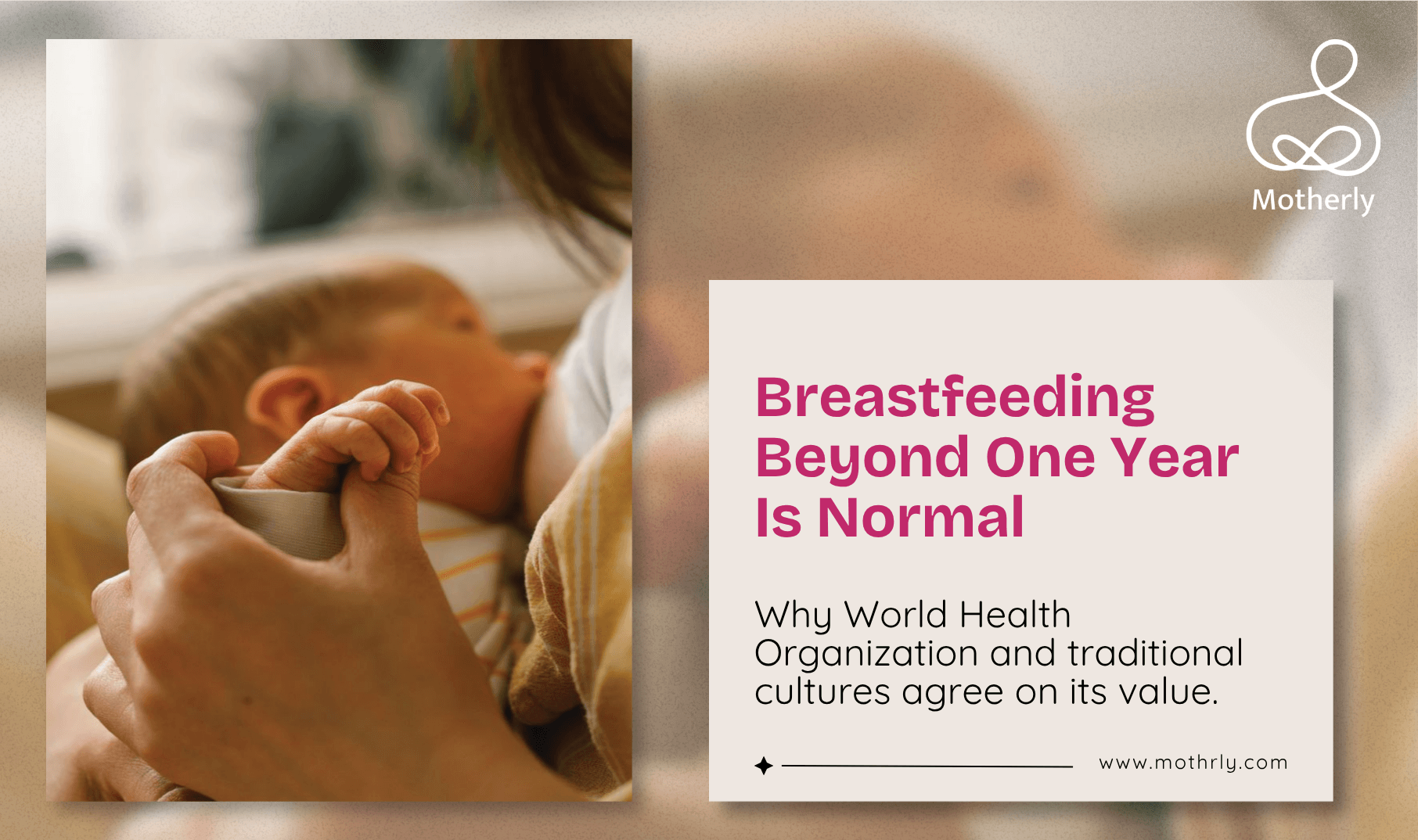
Motherly — Extended breastfeeding is evidence-based, culturally rooted, and continues to nourish and protect children well beyond infancy.
The WHO and UNICEF recommend breastfeeding continuing, alongside appropriate complementary foods from six months, until two years of age and beyond. This recommendation is not an idealistic aspiration for developing world mothers without formula access. It is based on evidence that breast milk continues to provide significant nutritional and immunological benefits beyond infancy, evidence that is as applicable to middle-class urban Indian families as to any other.
The nutritional contribution of breast milk in the second year of life remains significant: breast milk still provides approximately one third of the toddler's energy requirements, substantial quantities of fat, protein, and fat-soluble vitamins, and continued immunological protection at a period when the toddler's expanding social world dramatically increases exposure to infectious organisms. The immunological benefits of breast milk do not diminish as the child grows. The antibodies, immune cells, and bioactive factors in breast milk continue to provide protection against infection and support immune development for as long as breastfeeding continues.
The Indian cultural tradition of extended breastfeeding
Extended breastfeeding is not a new concept introduced by international health organisations. It is deeply embedded in the Indian cultural tradition. Ayurvedic texts recommend breastfeeding for two years. Classical texts describe the nutritional and psychological benefits of continued breastfeeding through early childhood. The Vedic tradition considers the act of nursing a form of Seva, loving service, of the highest order. Contemporary pressure on Indian mothers to wean earlier represents a departure from this tradition, driven by commercial formula marketing and the social pressure of urban life rather than evidence of benefit to the child from earlier weaning.
"Breastfeeding beyond infancy is not outdated - it is both biologically wise and culturally grounded."
Why this guidance matters for modern Indian families
In many urban settings, parents are often advised to stop breastfeeding early for convenience, social comfort, or outdated assumptions that milk loses value after the first year. Current evidence and long-standing Indian tradition both point in the opposite direction. Continued breastfeeding can coexist with family life, work, and complementary feeding routines, while still delivering measurable health benefits to the child and emotional reassurance to both mother and toddler.
Celebrate the Long Journey
Motherly supports extended breastfeeding journeys with nutritional guidance, community, and evidence-based information. Every breastfeeding milestone is worth celebrating.
Keep Reading

DOULA CARE
The Complete Guide to Choosing the Right Doula for Your Birthing Journey
Choosing a doula? Learn what a doula does, how to interview candidates, check training and costs, and spot red flags be…
September 30, 2026
BREASTFEEDING
Overcoming Early Breastfeeding Challenges: Expert Advice from Lactation Consultants
Struggling with early breastfeeding? Lactation consultants explain how to fix latch problems, sore nipples, low milk wo…
September 30, 2026