Trying to Conceive
The Fertility Diet That Reproductive Endocrinologists Actually Follow. It Is Not What Wellness Influencers Are Telling You.
motherly·May 29, 2026
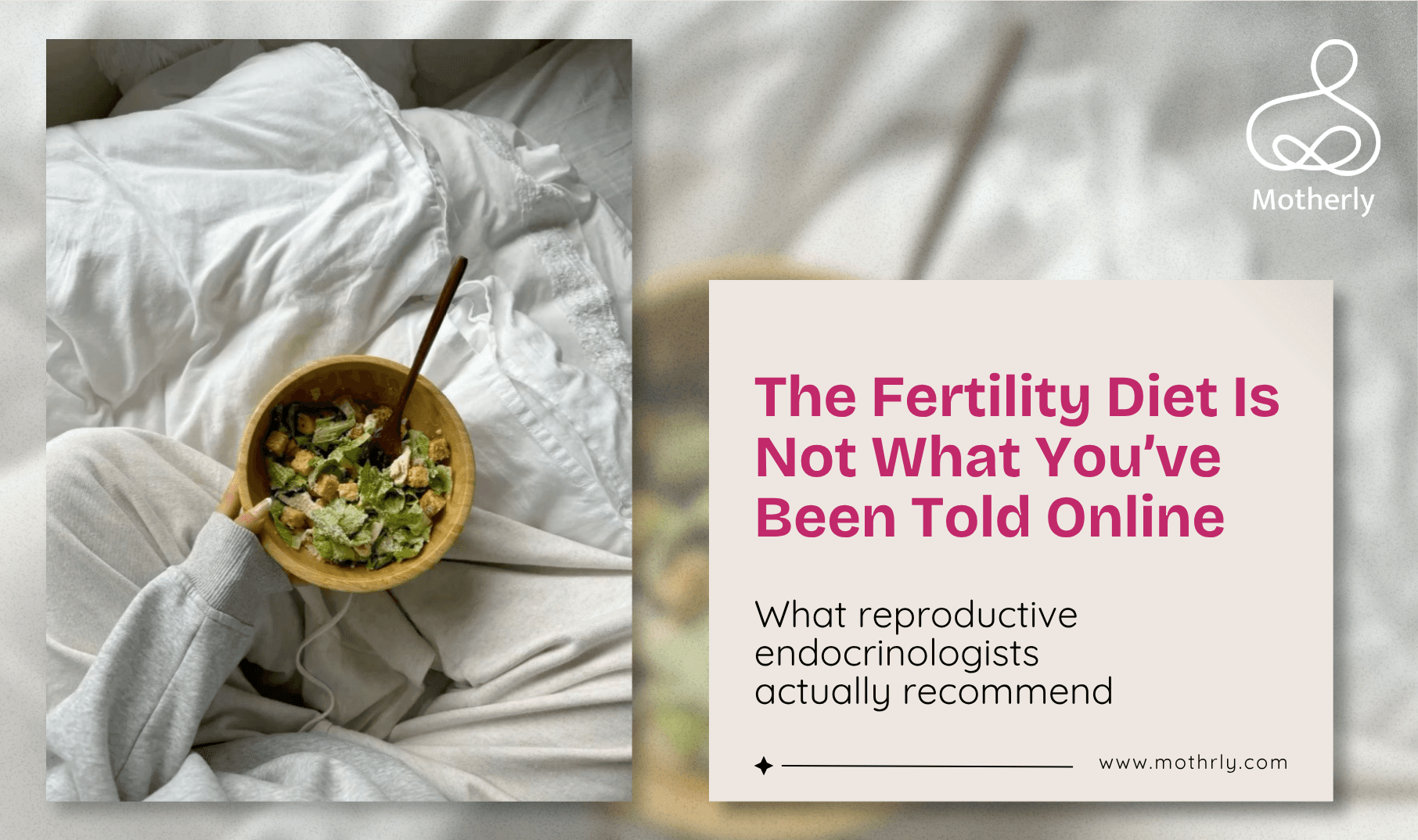
Motherly — Evidence-based fertility nutrition focuses on whole-food patterns and key micronutrients, not wellness trends or expensive distractions.
The fertility nutrition space is saturated with advice, from pineapple core for implantation to seed cycling protocols to extreme dietary elimination. Some of it is harmless. Some of it is an expensive distraction. A small but genuine part of it is backed by evidence that can hold up to scrutiny. This article is about the evidence: what reproductive endocrinologists and dietitians who specialise in fertility actually recommend to their patients, based on research rather than the anecdotes and trends that circulate online.
The Mediterranean dietary pattern: the most consistently supported evidence
The dietary pattern with the most consistent and replicated evidence for fertility benefit is the Mediterranean diet. Characterised by high intake of vegetables, legumes, whole grains, olive oil, nuts, and fish, with moderate dairy and limited red meat and processed food, this pattern has been studied specifically in fertility contexts. Multiple prospective studies have shown associations between adherence to a Mediterranean-style diet and improved IVF outcomes, higher live birth rates, and shorter time to natural conception. The mechanism is not entirely established but likely involves reduced systemic inflammation, improved insulin sensitivity, better antioxidant status, and more favourable hormonal profiles. This is not a prescription for rigid adherence. It is a framework: whole foods, mostly plants, quality fats, minimal processed food.
"The pattern matters most — whole foods, mostly plants, quality fats, minimal processed food."
The micronutrients with the clearest evidence
Folate (not folic acid for women with MTHFR variants) at 400-800mcg daily from at least three months before conception is the most important fertility supplement, essential for neural tube defect prevention and for DNA methylation processes in early embryo development. Vitamin D deficiency, which affects a very significant proportion of urban Indian women due to indoor lifestyles and sun avoidance, is associated with reduced IVF success and increased miscarriage risk. Testing and supplementing where deficient is straightforward and worthwhile. CoQ10 at 200-600mg daily has the most consistent evidence for improving egg quality, particularly in women over 35. Omega-3 fatty acids from oily fish or algae-based supplements support egg cell membrane quality. Myo-inositol at 2-4g daily has the strongest evidence specifically for women with PCOS.
What to limit — the evidence is clear here
The evidence for what to reduce is more consistent than the evidence for specific superfoods to add. Processed red meat, trans fats, high-glycaemic processed carbohydrates, alcohol (even moderate consumption is associated with reduced IVF success rates), excess caffeine above 200mg per day, sugar-sweetened beverages, and environmental toxins found in certain fish species and in plastics that leach endocrine disruptors all have documented negative associations with fertility outcomes in multiple studies. The single most impactful dietary change most people can make for fertility is reducing ultra-processed food and increasing whole-food intake. The specific superfood advice matters far less than the overall dietary pattern, and the pattern matters most.
Support for Your Whole Journey
Motherly supports your whole fertility journey — body, mind, and soul.
Keep Reading

DOULA CARE
The Complete Guide to Choosing the Right Doula for Your Birthing Journey
Choosing a doula? Learn what a doula does, how to interview candidates, check training and costs, and spot red flags be…
September 30, 2026
BREASTFEEDING
Overcoming Early Breastfeeding Challenges: Expert Advice from Lactation Consultants
Struggling with early breastfeeding? Lactation consultants explain how to fix latch problems, sore nipples, low milk wo…
September 30, 2026