Toddler Nutrition
The First Three Years Build the Brain. What Happens in This Window Cannot Fully Be Recovered Later. Here Is What Actually Matters.
motherly·June 1, 2026
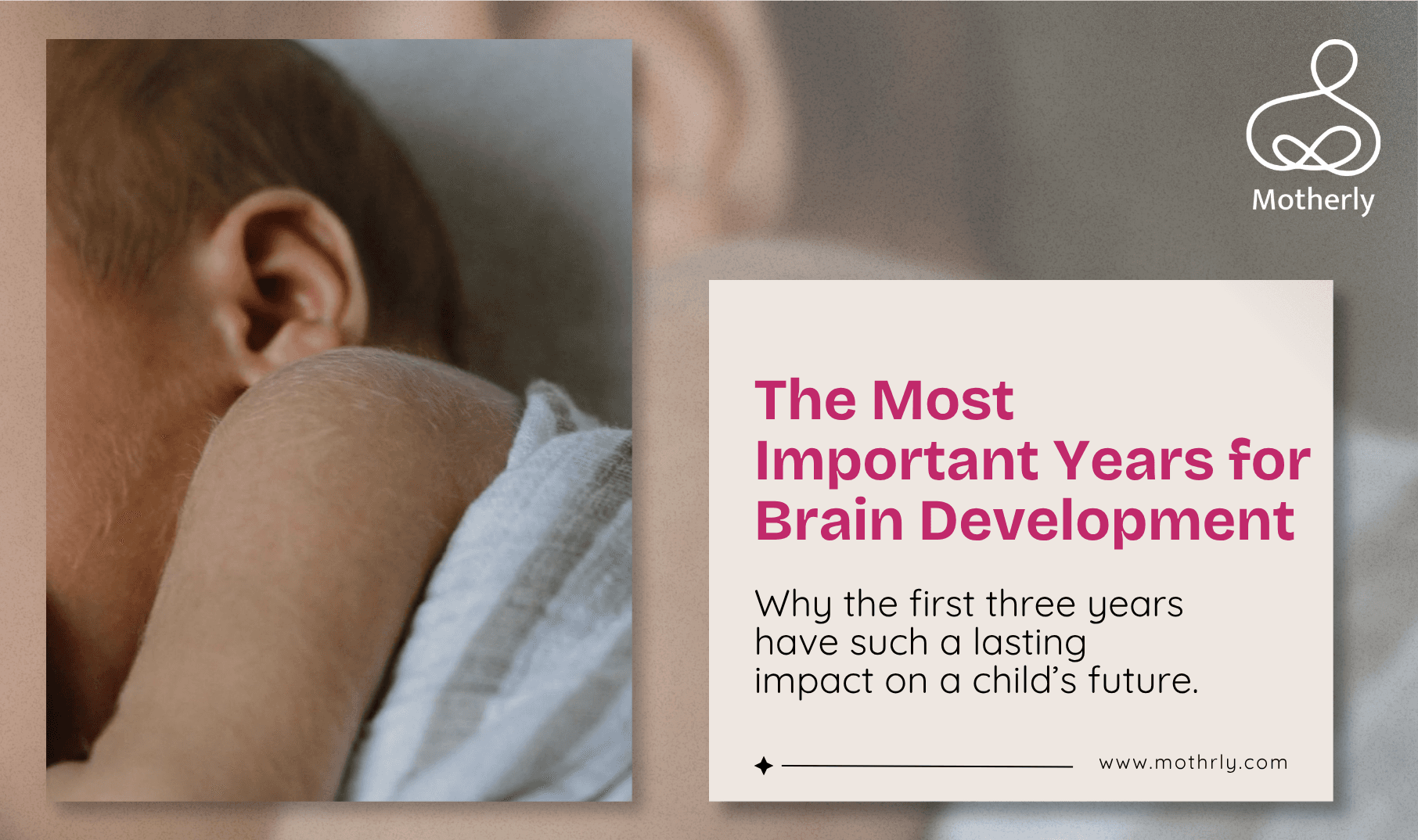
Motherly — From birth to age three, the brain grows to about 80% of adult size. Warm, responsive caregiving in these years shapes the foundation for learning and emotional health.
The human brain at birth is approximately 25% of its adult size. By the age of three, it has grown to approximately 80% of its adult size. This extraordinary period of neural construction, during which synaptic connections are formed at the rate of one million per second in the first years of life, represents the most significant window of biological opportunity in a human being's development. The neural architecture built in these years, the circuits that support language, emotional regulation, executive function, social cognition, and learning, is not fixed and immutable, but it is the foundation on which everything subsequent is built. What happens in this window matters in ways that cannot be fully recovered later.
Serve and return — the single most important interaction
The most important thing a caregiver can do for a young child's brain development is also one of the simplest: respond. When an infant coos and the parent coos back. When a toddler points at something and the parent looks and labels it. When a child brings a drawing and the parent gives it full attention. When a baby reaches with their eyes and the caregiver follows their gaze. These serve-and-return interactions, so named because the child serves a bid for connection and the caregiver returns it, are the primary mechanism through which neural circuits supporting language, social cognition, and emotional regulation are constructed. The quantity and quality of these interactions in the first three years predicts cognitive and social outcomes more reliably than almost any other measurable factor in a child's environment.
"Every small response to your child's bid for connection is building their brain."
Language — the most consequential gift of the early years
Language development in the first three years is one of the areas where the early environment has the most significant and well-documented impact. Children who hear more words, more grammatically complex sentences, and more varied vocabulary in the first three years develop larger vocabularies, stronger reading skills, and better academic outcomes. This is not simply a matter of parental education or economic status. It is a function of the amount of language-rich interaction the specific child receives. Narrating your activities to a baby who cannot yet understand. Reading aloud to an infant who seems inattentive. Having conversations with a toddler whose responses are limited to single words. These activities build the neural scaffolding for language acquisition in ways that have lasting effects.
Stress — the factor that disrupts development
The most significant threat to healthy brain development in the early years is not a lack of enrichment activities. It is toxic stress, the prolonged activation of the stress response in the absence of a buffering relationship with a caring adult. Poverty, domestic violence, parental mental illness, neglect, and instability activate the stress hormones that, in prolonged doses, disrupt the neural architecture of the developing brain. The single most protective factor against the effects of adversity on a young child's brain is the consistent presence of at least one warm, responsive, stable caregiver. This finding, more robust in the research than any educational programme, any nutritional intervention, any technology, is the most important thing to know about early childhood development.
Every Interaction Counts
Motherly supports parents in building the relationships and environments that give children the best possible start. Every interaction counts.
Keep Reading

DOULA CARE
The Complete Guide to Choosing the Right Doula for Your Birthing Journey
Choosing a doula? Learn what a doula does, how to interview candidates, check training and costs, and spot red flags be…
September 30, 2026
BREASTFEEDING
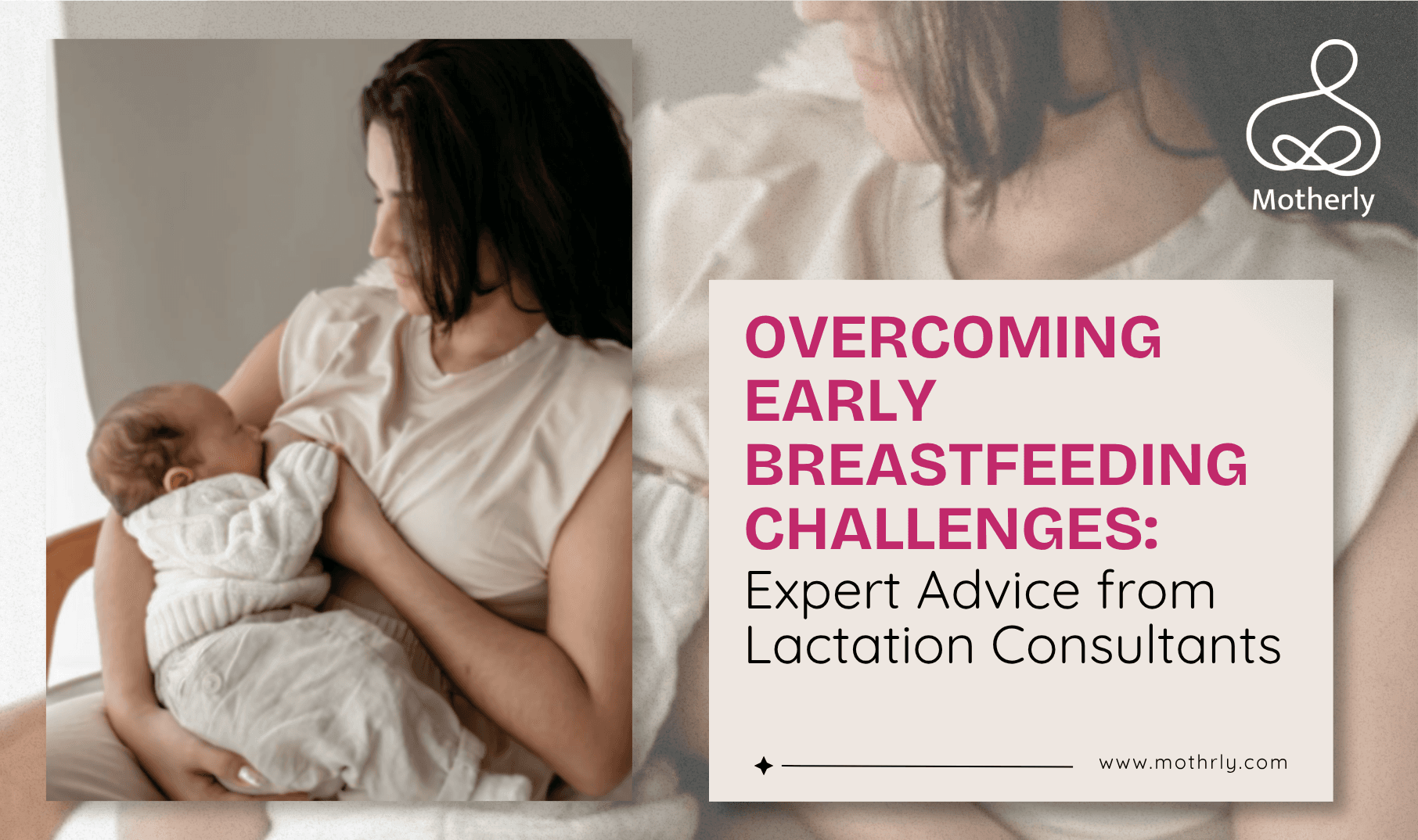
Overcoming Early Breastfeeding Challenges: Expert Advice from Lactation Consultants
Struggling with early breastfeeding? Lactation consultants explain how to fix latch problems, sore nipples, low milk wo…
September 30, 2026