Parenting
Formula Feeding Is Not Failure. When Breastfeeding Is Not Possible, Here Is How to Feed Your Baby Safely and With Confidence.
motherly·May 28, 2026
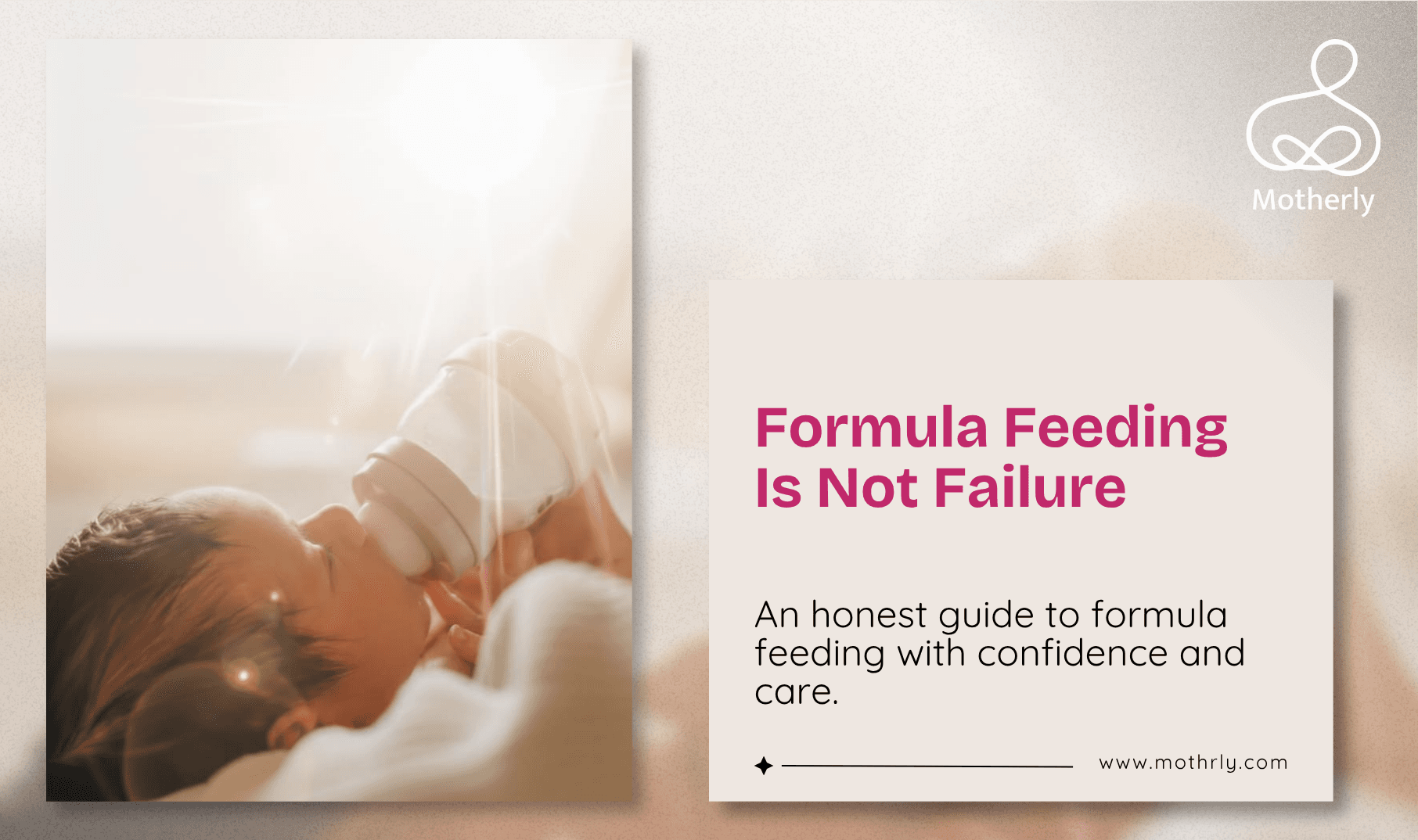
Motherly — Formula feeding is not failure. When breastfeeding is not possible, safe formula feeding with confidence, care, and responsiveness can support healthy infant development.
The evidence for the benefits of breastfeeding is real and substantial, and sharing it is important. But this evidence is sometimes communicated in ways that produce guilt, shame, and distress in mothers who cannot breastfeed or who have made an informed decision to formula feed, rather than supporting informed decision-making. Formula feeding is not failure. It is a valid choice in situations of genuine medical necessity, personal circumstance, or informed preference. The infant who is formula-fed lovingly and responsively by a parent who is emotionally present and engaged has the most important developmental ingredients: a secure attachment relationship and consistent, attuned care.
Medical situations where formula is necessary
Certain medical situations make breastfeeding impossible or unsafe: galactosaemia (a rare metabolic disorder in the infant that prevents the digestion of lactose), maternal HIV infection (in settings where formula feeding can be done safely), certain maternal medications that are contraindicated in breastfeeding, failed milk supply that does not respond to lactation support, or significant maternal illness that prevents breastfeeding. In these situations, formula is not a second choice. It is the appropriate choice, and it should be supported without guilt.
"Your baby being fed, loved, and safe is what matters most."
How to choose and prepare formula safely
In India, infant formula is regulated and must meet nutritional standards. The safest approach is to use a standard first-stage infant formula (Stage 1, birth to 6 months) and to follow preparation instructions exactly, including the precise ratio of water to powder. Overconcentrated formula stresses the infant kidneys. Overhydrated formula does not provide adequate nutrition. Water used for preparation must be boiled and cooled. Equipment must be sterilised. Prepared formula should not be stored for more than two hours at room temperature or 24 hours in a refrigerator. These are not excessive precautions. They are the minimum requirements for safe formula preparation.
Every Feeding Journey Matters
Motherly supports every feeding journey: breastfeeding, formula feeding, and combination feeding. Your baby is fed, loved, and safe. That is what matters.
Keep Reading

DOULA CARE
The Complete Guide to Choosing the Right Doula for Your Birthing Journey
Choosing a doula? Learn what a doula does, how to interview candidates, check training and costs, and spot red flags be…
September 30, 2026

BREASTFEEDING
Overcoming Early Breastfeeding Challenges: Expert Advice from Lactation Consultants
Struggling with early breastfeeding? Lactation consultants explain how to fix latch problems, sore nipples, low milk wo…
September 30, 2026