Uncategorized
High-Risk Pregnancy Is Not a Sentence. It Is a Category That Requires More Attention — and More Support. Here Is What That Means for You.
motherly·May 30, 2026
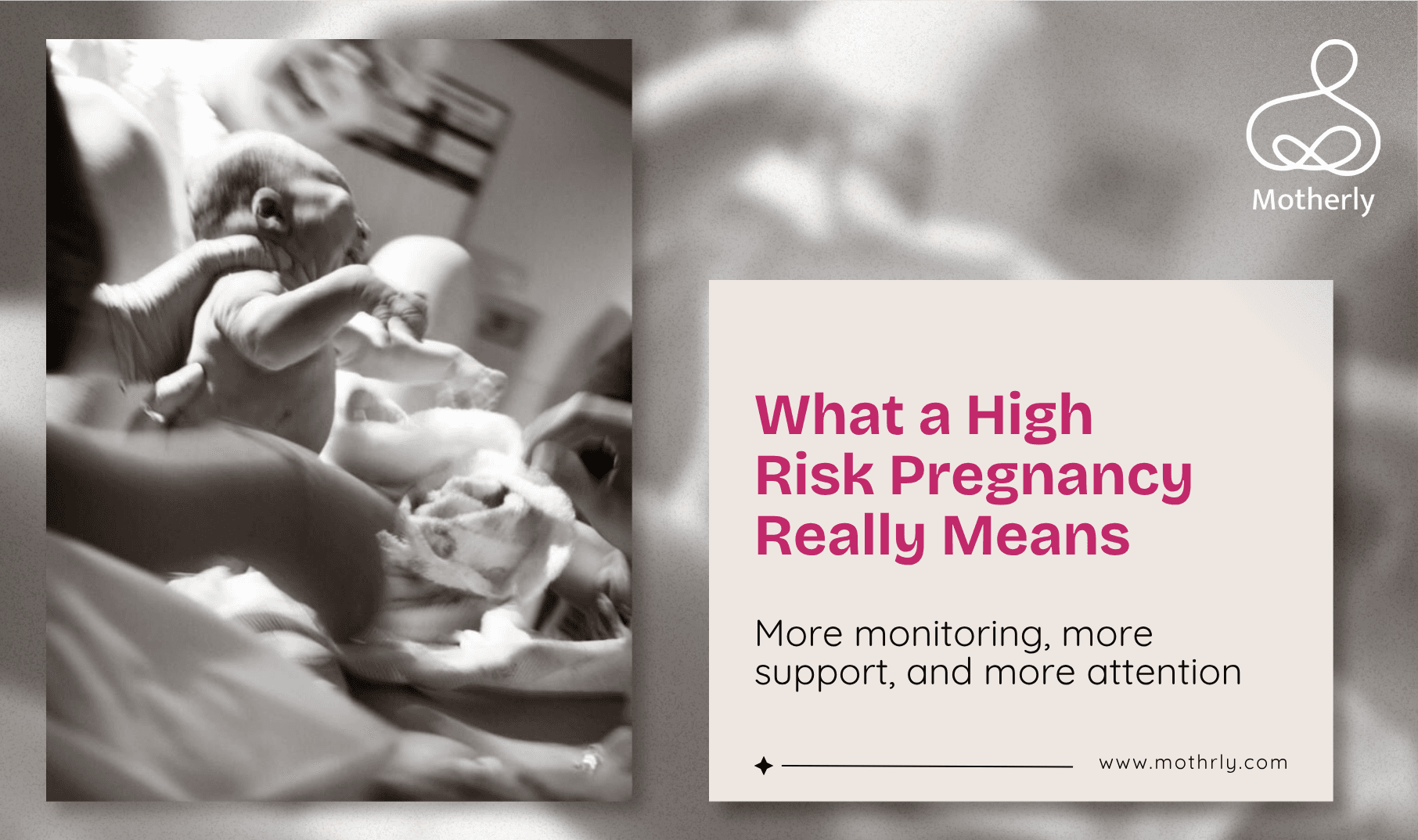
Motherly — A high-risk pregnancy label changes everything about how you experience pregnancy. Here is what the category actually means, what monitoring is involved, and how to cope.
Being told your pregnancy is high-risk is a moment that can transform everything about how you experience the next eight months. The phrase carries a weight that the medical definition does not fully justify. High-risk pregnancy is a clinical category that encompasses an enormous range of conditions — from mild gestational hypertension that is easily managed to serious foetal anomalies that require specialist intervention. Most women whose pregnancies are classified as high-risk will deliver healthy babies with appropriate care. What high-risk means, specifically, is that your pregnancy requires more monitoring, more specialist involvement, and more careful management than a standard low-risk pregnancy. It is not a prediction of catastrophe. It is a prescription for attention.
“High-risk is not a prediction of catastrophe. It is a prescription for attention.”
What conditions commonly lead to a high-risk classification
The range of conditions that can lead to a high-risk designation is broad. Maternal age over 35, pre-existing conditions including diabetes, hypertension, autoimmune disorders, thyroid disease, kidney disease, or heart disease, previous pregnancy complications including preterm birth or preeclampsia, multiple pregnancy (twins or more), foetal anomalies identified on ultrasound, and placenta previa are among the most common reasons. Each of these categories carries different specific risks and requires different specific management. Your care team should be able to explain clearly which specific condition applies to you, what risks it carries, and what the monitoring plan addresses — not just that you are high-risk as a general statement.
What more monitoring actually means in practice
High-risk pregnancies typically involve more frequent ultrasound scans, more frequent blood pressure and urine checks, earlier and more detailed anomaly screening, maternal-foetal medicine (MFM) specialist appointments in addition to standard obstetric care, and more intensive birth planning. The additional appointments can be logistically demanding and emotionally exhausting — each scan carries the anxiety of what it might find. For some women, more information is reassuring. For others, the increased surveillance amplifies anxiety rather than reducing it. Both responses are valid. Ask your care team specifically what each monitoring appointment is looking for, what would change clinically if a specific finding were made, and what you can do in between appointments to manage the anxiety.
The emotional support that high-risk care often misses
Women with high-risk pregnancies often find that the clinical care addresses the medical monitoring comprehensively but does not attend to the emotional weight of the experience. The anxiety of living under heightened surveillance, of knowing that your pregnancy carries specific risks, of attending frequent appointments that remind you of what might go wrong — this is a real psychological burden that deserves specific support. Perinatal mental health support, where available, can be particularly valuable. Online and in-person communities of women with similar conditions provide understanding that the clinical setting cannot offer. A simple acknowledgment from your care team — 'this is a lot to manage, how are you doing?' — makes a significant difference.
Support for High-Risk Pregnancies
Motherly is here for the complex, the difficult, and the unknown parts of pregnancy. We provide the attention and support you deserve.
Keep Reading
DOULA CARE
The Complete Guide to Choosing the Right Doula for Your Birthing Journey
Choosing a doula? Learn what a doula does, how to interview candidates, check training and costs, and spot red flags be…
September 30, 2026
BREASTFEEDING
Overcoming Early Breastfeeding Challenges: Expert Advice from Lactation Consultants
Struggling with early breastfeeding? Lactation consultants explain how to fix latch problems, sore nipples, low milk wo…
September 30, 2026