Family
Birth, Growth, Love, Loss, and the Next Generation: Why the Human Cycle Is Sacred and What Happens When We Stop Seeing It That Way
motherly·May 22, 2026
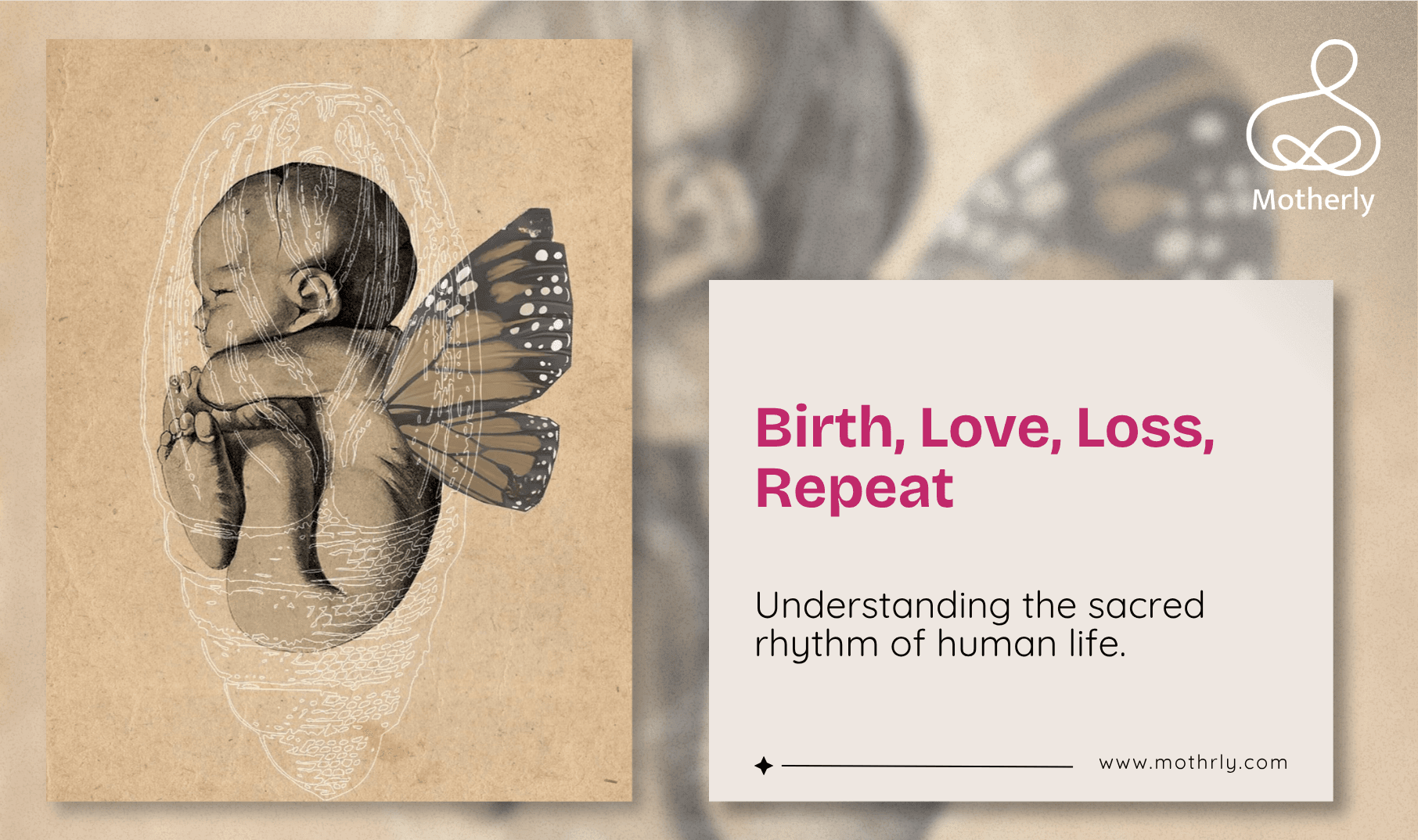
Motherly — This is not simply a biological process. It is the structural grammar of human meaning.
There is a pattern that has repeated itself across every human culture in every period of history, so consistently and so universally that it cannot be explained as coincidence or custom. The pattern is this: a man and a woman form a bond, they create new life, they raise that life with love and discipline and hope, they grow old watching that life become its own person, and then they die knowing that the cycle will continue through their children and their children’s children. This is not simply a biological process. It is the structural grammar of human meaning.
Every tradition that has ever produced lasting wisdom — the Vedas, the Upanishads, the Mahabharata, the Buddhist suttas, the Abrahamic scriptures, the philosophical traditions of every civilisation — places this cycle at or near the centre of its understanding of what human life is for. Not as a constraint. As a gift. As the primary vehicle through which human beings experience love, purpose, loss, growth, and ultimately the acceptance of their own finitude.
“Not as a constraint. As a gift. As the primary vehicle through which human beings experience love, purpose, loss, growth, and ultimately the acceptance of their own finitude.”
Why modernity is disrupting the cycle and what this costs
Contemporary urban life in India and globally is disrupting this cycle in ways that are producing a specific kind of existential uncertainty that previous generations did not face in the same form. When people delay having children until their late thirties, when they have one child rather than three, when grandparents live in another city and siblings in another country, when the rituals that marked the passages of the cycle have been abandoned without replacement — the cycle continues biologically but loses some of its meaning. The birth happens in a hospital with strangers. The child grows up without grandparents in daily life. The death happens in a facility away from family. Each stage of the cycle, stripped of its communal and ritual context, becomes more private, more isolated, and more difficult to make meaning from.
What recovering the sacred cycle looks like in modern life
Recovering the sense of the cycle as sacred does not require returning to a past that cannot be recovered. It requires finding the contemporary practices that honour the same truths. The naming ceremony that introduces a new child to the family and community. The practices around pregnancy and birth that connect a mother to the accumulated wisdom of her culture. The deliberate cultivation of grandparent relationships even across distance. The conscious transmission of stories, values, and traditions to children who might not receive them otherwise. These are not conservative acts. They are acts of cultural continuity — the choice to remain connected to the long human story rather than to begin again from scratch with each generation.
Honouring the Full Cycle of Motherhood
Motherly honours the full cycle of motherhood — from the ancient wisdom to the daily present. We are with you through it all. Visit mothrly.com.
Keep Reading
DOULA CARE
The Complete Guide to Choosing the Right Doula for Your Birthing Journey
Choosing a doula? Learn what a doula does, how to interview candidates, check training and costs, and spot red flags be…
September 30, 2026
BREASTFEEDING
Overcoming Early Breastfeeding Challenges: Expert Advice from Lactation Consultants
Struggling with early breastfeeding? Lactation consultants explain how to fix latch problems, sore nipples, low milk wo…
September 30, 2026