Parenting
The Foods You Introduce Before 12 Months Shape Your Child’s Relationship With Food for the Rest of Their Life. Here Is How to Get This Right.
motherly·May 28, 2026
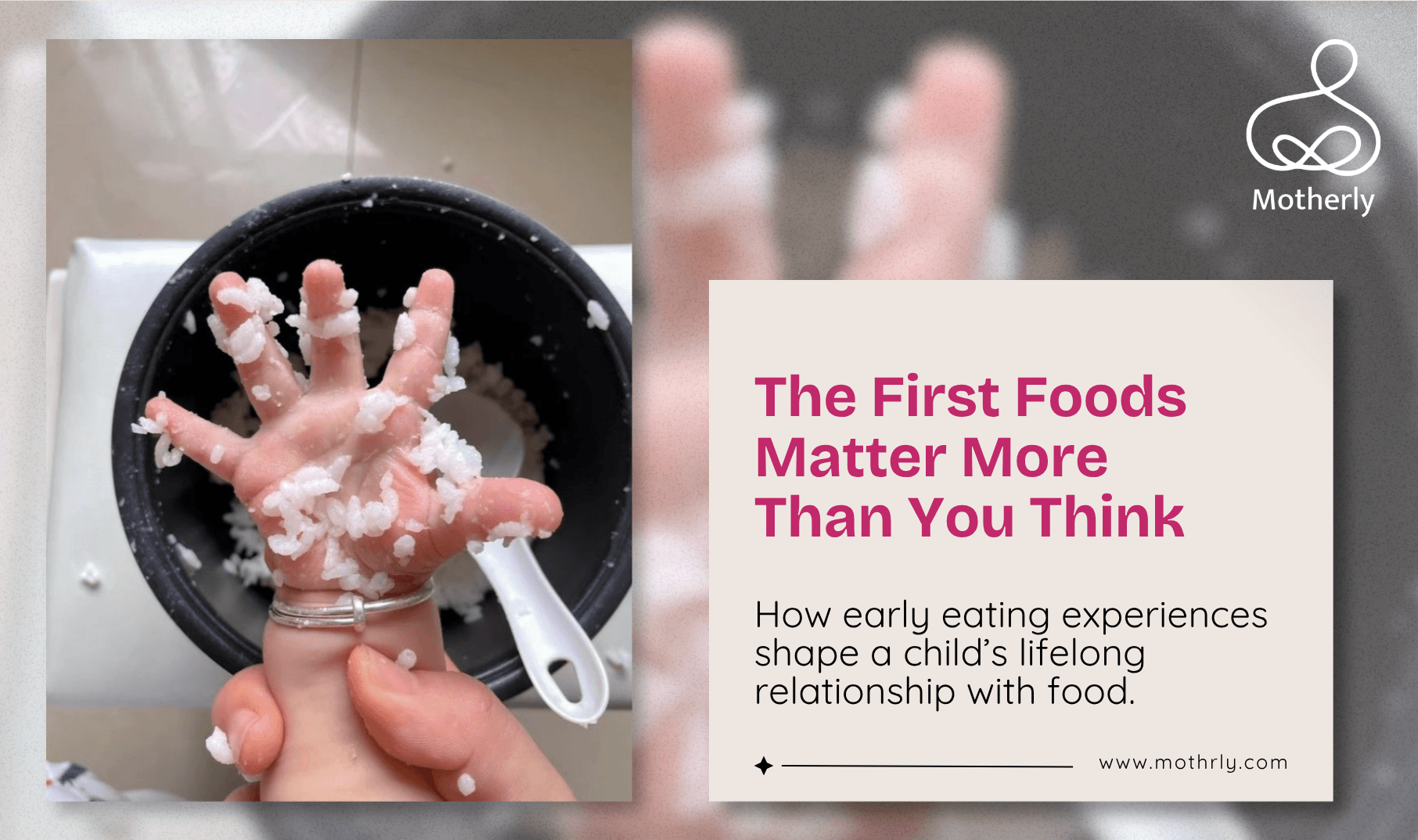
Motherly — The first year of complementary feeding shapes taste, gut health, and eating patterns for life, making food introduction one of early parenting's most powerful decisions.
The introduction of solid foods, beginning at six months and continuing through the first year and beyond, is one of the most significant nutritional interventions in a child's development. The diversity of foods offered in the first year of life has been shown to influence the development of taste preferences, gut microbiome diversity, and the likelihood of food allergy development in ways that persist through childhood and beyond. The first year of solid food introduction is not simply about meeting caloric and nutritional needs. It is about establishing a relationship with food that will shape the child's eating patterns for life.
When and how to start solids
The WHO recommends introducing solids at six months, when the gut is sufficiently mature and the infant has developed the motor skills required for safe swallowing. Starting before four months is associated with increased allergy risk and is not recommended. Starting after seven months is associated with increased iron deficiency risk, since breast milk alone cannot meet the iron needs of the rapidly growing older infant, and with increased food refusal due to the narrowing of the window of neurological readiness for new textures. The first foods should be nutritionally dense: iron-rich foods such as pureed meats, lentil puree, and mashed beans are the priority at six months, followed by gradual introduction of vegetables, fruits, and grains. Texture should progress from smooth to lumpy to soft pieces as the infant develops oral motor skills to manage them.
"The first foods are not just nutrition - they are the foundation of a lifelong relationship with food."
The Indian first foods that combine nutritional excellence with cultural heritage
The traditional Indian first foods, dal ka paani (lentil water), congee-style rice preparations, and ragi porridge, are nutritionally sound and culturally meaningful introductions to the flavours and textures the child will encounter throughout life. Ragi (finger millet) deserves specific mention as an exceptional weaning food: it is among the most calcium-rich plant foods available, provides significant iron, has a low glycaemic index, and is well-tolerated by infants. Introducing the spices and flavours of Indian cooking early in complementary feeding, mild turmeric, cumin, and coriander in tiny quantities, exposes infants to the tastes of their culture at a period of maximum neurological receptivity for new flavours and supports development of a broad, adventurous relationship with food.
Start Solids With Confidence
Motherly provides age-specific feeding guidance for the entire first year and beyond, rooted in Indian nutritional tradition and modern evidence. Start well. Feed well.
Keep Reading
DOULA CARE
The Complete Guide to Choosing the Right Doula for Your Birthing Journey
Choosing a doula? Learn what a doula does, how to interview candidates, check training and costs, and spot red flags be…
September 30, 2026
BREASTFEEDING
Overcoming Early Breastfeeding Challenges: Expert Advice from Lactation Consultants
Struggling with early breastfeeding? Lactation consultants explain how to fix latch problems, sore nipples, low milk wo…
September 30, 2026