Mother's Health
Iron Deficiency Anaemia Affects 50% of Pregnant Women in India. It Is Also Entirely Preventable. Here Is the Complete Guide.
motherly·May 30, 2026
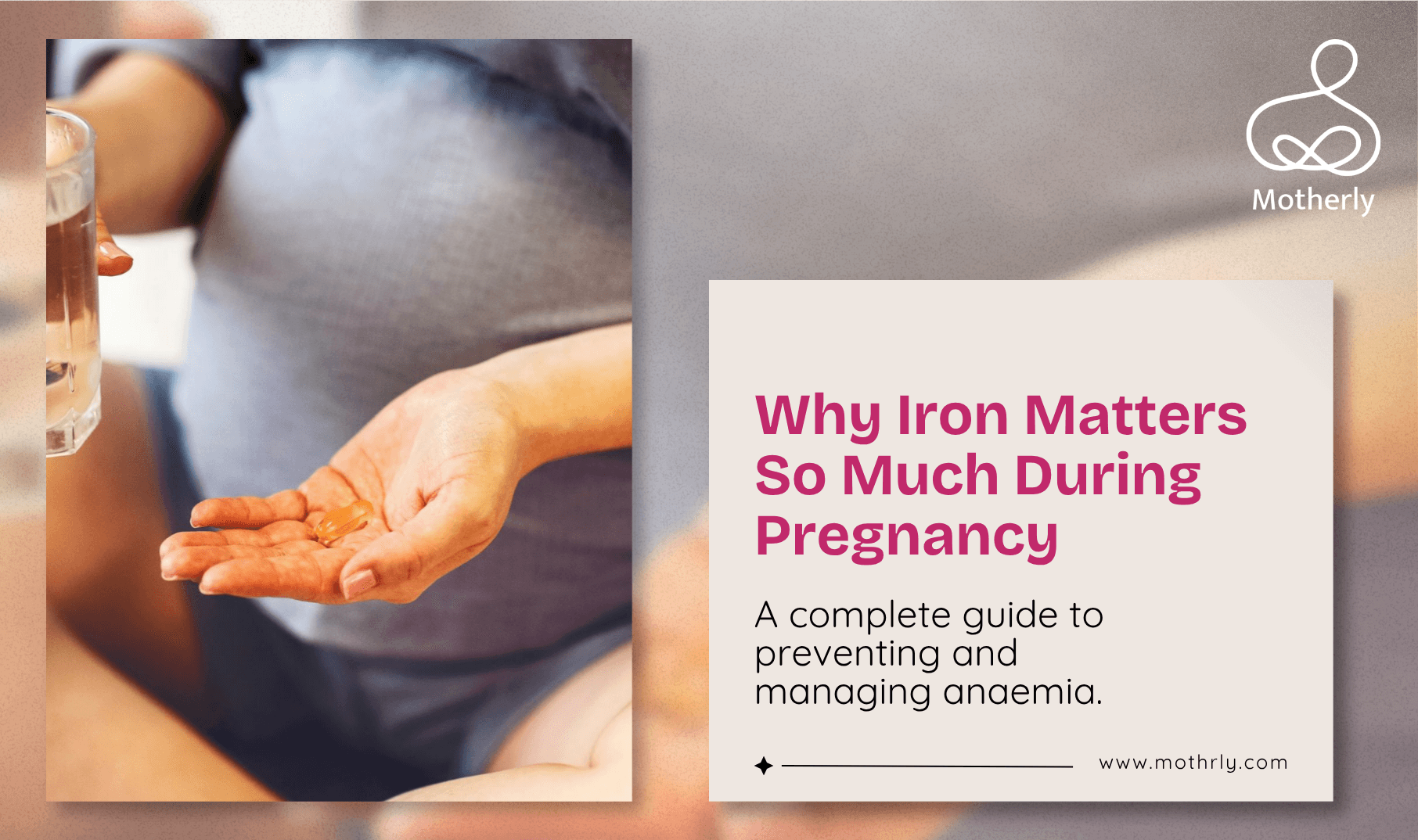
Motherly — Anaemia in pregnancy is the most common nutritional deficiency in India — and one of the most preventable. Here is what you need to know, eat, and ask your doctor.
India has one of the highest rates of anaemia in pregnancy in the world. Approximately 50% of pregnant Indian women are iron-deficient or anaemic, and in rural areas this figure is even higher. Iron deficiency anaemia during pregnancy is not a minor inconvenience — it is associated with significantly increased risk of preterm birth, low birth weight, maternal fatigue and cognitive impairment, reduced immune function, and elevated risk of postpartum haemorrhage. It is also almost entirely preventable with adequate nutrition and supplementation. Yet it remains the most common nutritional deficiency in Indian pregnancy, decade after decade.
“Iron deficiency anaemia during pregnancy is not a minor inconvenience — it is associated with significantly increased risk of preterm birth, low birth weight, maternal fatigue, and elevated risk of postpartum haemorrhage.”
Why Indian pregnant women are particularly vulnerable to iron deficiency
The combination of factors that makes India's anaemia burden so high is multifactorial. Many Indian women begin pregnancy with already-depleted iron stores — a consequence of monthly menstrual blood loss and frequently inadequate dietary iron intake. The bioavailability of non-haem iron (from plant sources) is significantly lower than haem iron (from meat and fish) — approximately 5-12% versus 20-30%. Phytates in commonly consumed Indian staples including whole wheat, rice, and pulses further inhibit non-haem iron absorption. Vitamin C, by contrast, dramatically enhances non-haem iron absorption — adding a glass of amla juice, lemon juice, or fresh tomato alongside iron-rich meals can multiply absorption by a factor of three to four. This single habit change can significantly improve iron status in a predominantly plant-based diet.
The best dietary sources of iron for Indian pregnant women
Non-haem iron sources that are widely available in Indian diets and particularly rich include: drumstick leaves (moringa oleifera — one of the highest plant-source iron foods available), fenugreek leaves (methi), garden cress seeds (halim or aliv, widely used in Maharashtra and other states), sesame seeds (til), horse gram (kulthi dal), black-eyed peas (lobia), and dried fruits including dates and apricots. Haem iron sources — chicken, fish, eggs, and lean red meat where culturally appropriate — have higher bioavailability and do not require vitamin C co-consumption to be effectively absorbed. Cooking in iron vessels is an underutilised and evidence-supported intervention that increases the iron content of cooked food, particularly acidic foods like dal and tomato-based dishes.
Supplementation: what to take, when, and how to manage side effects
The Government of India's Iron Folic Acid (IFA) supplementation programme recommends daily iron and folic acid supplementation for all pregnant women, with higher doses for those already anaemic. Iron supplements are best absorbed on an empty stomach or with vitamin C, and their absorption is significantly inhibited by calcium, tea, coffee, and antacids taken simultaneously. Side effects — constipation and nausea — are the primary reason women discontinue supplementation. Switching to ferrous bisglycinate or iron polymaltose complex, both of which have fewer gastrointestinal side effects than ferrous sulphate while maintaining efficacy, is a reasonable alternative worth discussing with your doctor. Haemoglobin should be checked at booking (first antenatal visit) and again at 28 weeks at minimum.
Nutritional Health and Education
Motherly provides the health knowledge every pregnant Indian woman deserves. We are here to support your journey with evidence-based guidelines and tools.
Keep Reading

DOULA CARE
The Complete Guide to Choosing the Right Doula for Your Birthing Journey
Choosing a doula? Learn what a doula does, how to interview candidates, check training and costs, and spot red flags be…
September 30, 2026
BREASTFEEDING
Overcoming Early Breastfeeding Challenges: Expert Advice from Lactation Consultants
Struggling with early breastfeeding? Lactation consultants explain how to fix latch problems, sore nipples, low milk wo…
September 30, 2026