Toddler Nutrition
Iron Deficiency Is the Most Common Nutritional Deficiency in Indian Toddlers. The Damage It Does Is Real. Here Is How to Prevent It.
motherly·June 1, 2026
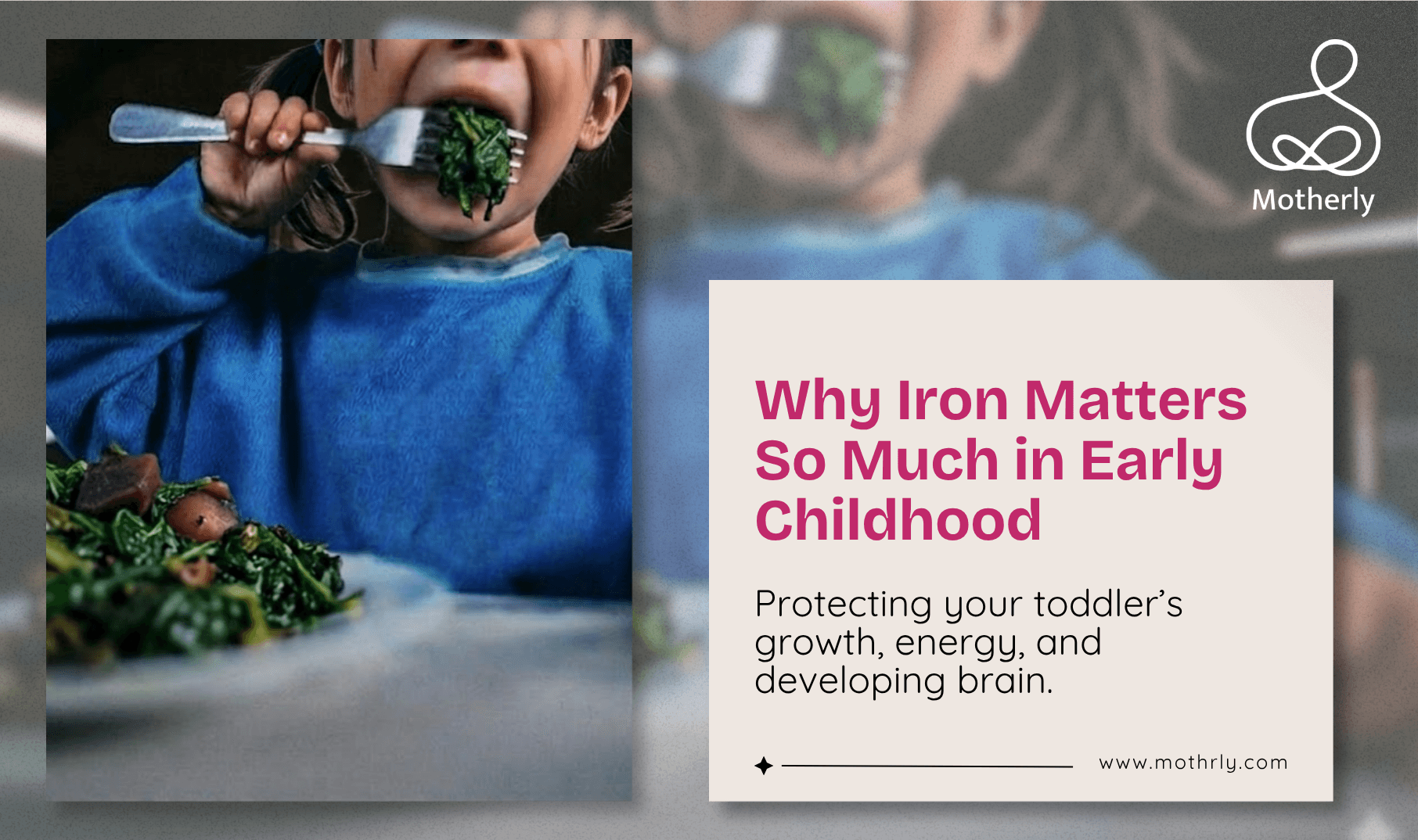
Motherly — Iron deficiency affects most Indian children under five and can harm brain development even before anaemia is visible. Prevention matters more than correction.
Iron deficiency anaemia affects approximately 58% of Indian children under five years of age, making it the most prevalent nutritional deficiency in this age group and one of the most significant preventable threats to child development in India. The reason this figure should be alarming, and is not alarming enough, is that the damage iron deficiency does to a developing brain is not always visible, is not always reversible, and occurs at iron levels that do not yet produce clinical anaemia. A child can have iron-deficient brain tissue while appearing energetic, eating normally, and showing no obvious signs of illness.
What iron does in the developing brain
Iron plays a critical and specific role in brain development that is not replaceable by any other nutrient. It is required for myelination, the process by which nerve fibres are coated with the myelin sheath that allows rapid neural signal transmission. It is required for the synthesis of dopamine, a neurotransmitter involved in attention, motivation, and executive function. It is required for hippocampal development, the structure most involved in learning and memory. Iron deficiency during the critical developmental windows of infancy and toddlerhood, when these processes are occurring at their highest rate, produces deficits in cognitive function, attention, and learning that persist even after iron status is corrected. Prevention is significantly more effective than correction.
"A toddler can look fine and still have iron levels low enough to affect the developing brain."
Why Indian toddlers are particularly at risk
Indian toddlers face a specific constellation of risk factors for iron deficiency. Vegetarian diets, the norm in many Indian households, provide iron primarily in the non-haem form, which is less bioavailable than the haem iron in animal foods. Traditional weaning foods, rice, dal, and roti, are relatively low in iron density relative to the child's needs. High consumption of cow's milk in the toddler years, a widespread practice, both displaces iron-rich foods and contains compounds that inhibit iron absorption. Tea, another common household beverage that children sometimes access earlier than is appropriate, contains tannins that significantly inhibit iron absorption. The cumulative effect of these dietary patterns on a child with relatively high iron requirements per kilogram of body weight explains the high prevalence of deficiency.
How to protect your toddler's iron status
Practical protective strategies include offering iron-rich foods at every meal: dark leafy vegetables, legumes and dal, sesame and pumpkin seeds, jaggery, and for non-vegetarian families, meat and organ meats which provide highly bioavailable haem iron. Pairing these foods with vitamin C, tomato, lemon, or amla, at the same meal dramatically enhances non-haem iron absorption. Limiting cow's milk to no more than 350 to 500ml per day in toddlers over 12 months. Avoiding tea entirely in children under two and limiting it in older children. And asking your paediatrician for routine haemoglobin screening at 12 months, which is recommended practice but not always followed.
Iron-Rich Nutrition for Toddlers
Motherly provides personalised toddler nutrition guidance for Indian families, including iron-rich meal plans and Ayurvedic support.
Keep Reading

DOULA CARE
The Complete Guide to Choosing the Right Doula for Your Birthing Journey
Choosing a doula? Learn what a doula does, how to interview candidates, check training and costs, and spot red flags be…
September 30, 2026

BREASTFEEDING
Overcoming Early Breastfeeding Challenges: Expert Advice from Lactation Consultants
Struggling with early breastfeeding? Lactation consultants explain how to fix latch problems, sore nipples, low milk wo…
September 30, 2026