Mother's Health
One in Four Pregnancies Ends in Miscarriage. The Silence Around It Is Making It Harder to Bear. Here Is What You Actually Need to Know
motherly·May 25, 2026
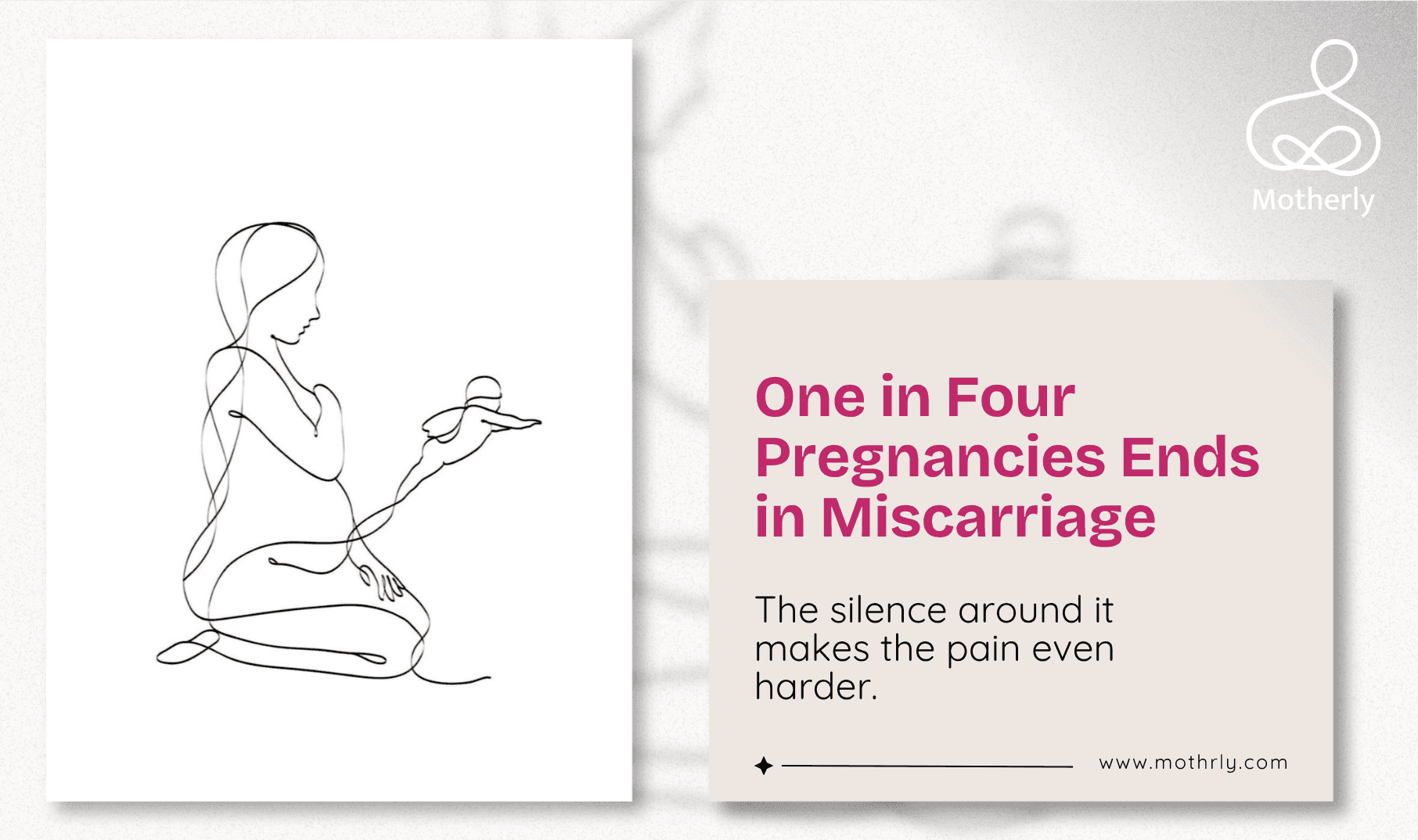
Motherly — One in four pregnancies ends in miscarriage. Here is the evidence, the silence
around it, and what every couple actually needs to know about prevention and healing.
Miscarriage is among the most common experiences in reproductive life and among the least discussed. One in four known pregnancies ends in miscarriage. The actual rate, accounting for very early losses that occur before a pregnancy is confirmed, is estimated to be significantly higher. And yet the experience remains largely invisible in public discourse, often managed alone, frequently followed by a pressure to ‘move on’ quickly, and almost always accompanied by a guilt that is completely unwarranted by the biology.
The silence around miscarriage is not protective. It is isolating. The woman who has a miscarriage and believes she is alone in her experience, that there must be something wrong with her specifically, that she should be over it within a week, is being failed by a culture that does not give this common and significant experience the acknowledgment it deserves.
“The silence around miscarriage is not protective. It is isolating.”
What causes most miscarriages
The most important fact about miscarriage is the one that is most rarely communicated: the majority of early miscarriages—those occurring in the first twelve weeks—are caused by chromosomal abnormalities in the embryo. These abnormalities occur randomly during the process of fertilisation and embryo development. They are not caused by what the mother did or did not do. They are not caused by stress, by exercise, by food choices, by travel, by working too hard, by not resting enough, or by any of the other explanations that women commonly offer themselves and receive from others. The embryo was not viable. The body recognised this and ended the pregnancy. This is biology functioning as it should, even as it produces grief.
When miscarriage is recurrent and what it means
Recurrent miscarriage—defined as two or more consecutive pregnancy losses—affects approximately 1 to 2% of women and does warrant investigation. The causes of recurrent miscarriage include chromosomal factors in the parents, uterine structural abnormalities, blood clotting disorders (particularly antiphospholipid syndrome), thyroid dysfunction, and in some cases immune factors. Many of these conditions are treatable. A woman who has experienced two or more miscarriages deserves a thorough investigation, not reassurance that it is ‘just bad luck.’
The nutritional and lifestyle factors that support pregnancy viability
While most early miscarriages cannot be prevented, there are specific lifestyle and nutritional factors that support the conditions for a viable pregnancy. Adequate folate intake before and during early pregnancy reduces the risk of neural tube defects. Optimal thyroid function, which depends in part on adequate iodine and selenium intake, is associated with lower miscarriage risk. Vitamin D deficiency, extremely common in Indian women due to limited sun exposure and dietary patterns, is associated with impaired implantation and higher miscarriage rates. Iron status, blood sugar regulation, and general nutritional adequacy all contribute to the hormonal and metabolic environment that supports a pregnancy to viability. These are not guarantees. But they are meaningful and actionable.
You Are Not Alone
Motherly provides nutritional guidance, community support, and expert consultation for women navigating pregnancy loss and trying again.
Keep Reading

DOULA CARE
The Complete Guide to Choosing the Right Doula for Your Birthing Journey
Choosing a doula? Learn what a doula does, how to interview candidates, check training and costs, and spot red flags be…
September 30, 2026
BREASTFEEDING
Overcoming Early Breastfeeding Challenges: Expert Advice from Lactation Consultants
Struggling with early breastfeeding? Lactation consultants explain how to fix latch problems, sore nipples, low milk wo…
September 30, 2026