Mother
The Mother's Gut Microbiome Shapes the Baby's Health for Decades. What Every Mother Needs to Know About the Ecosystem Inside Her.
motherly·June 2, 2026
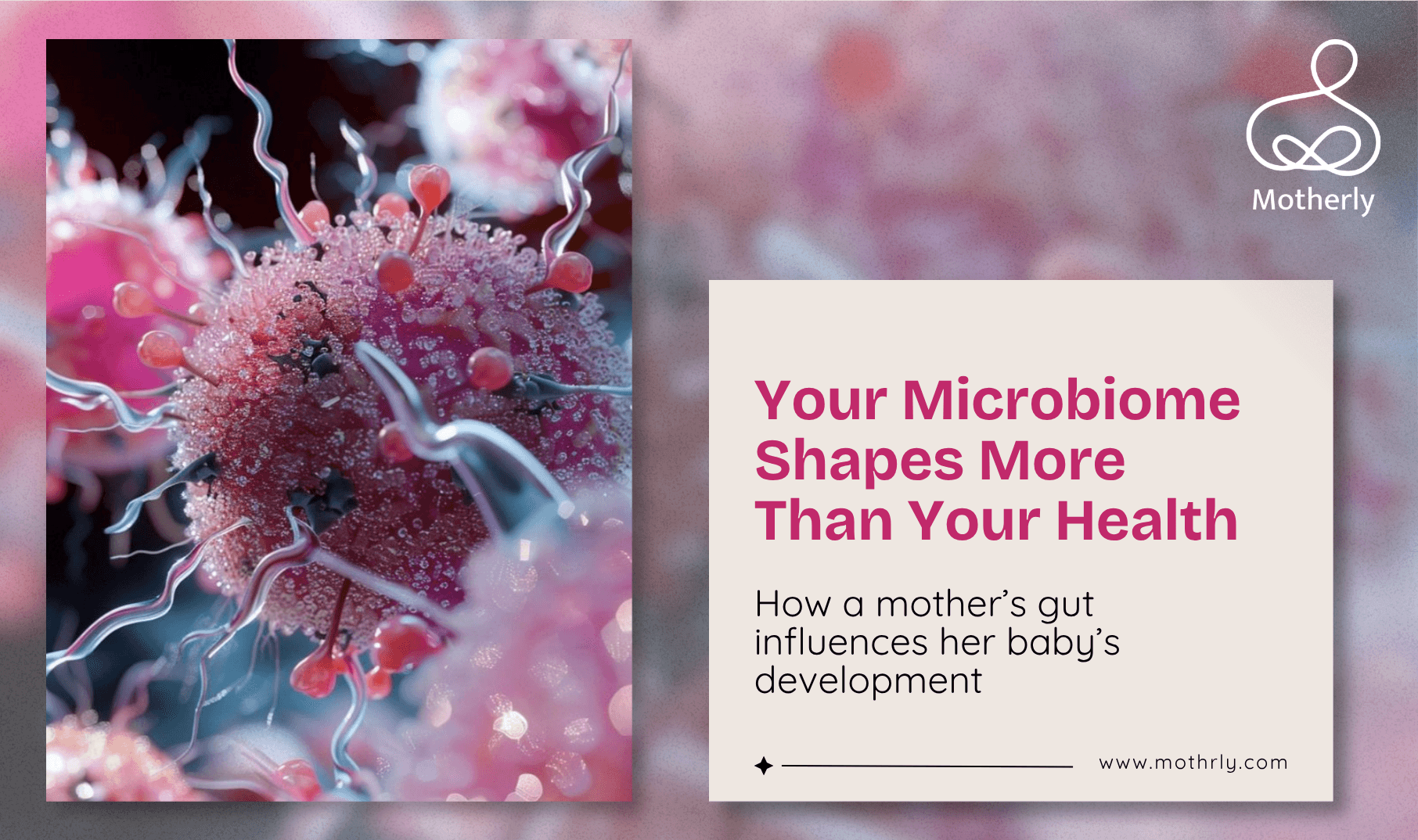
Motherly — A mother's gut microbiome profoundly shapes her baby's health across
decades. Here is what every mother needs to know about this extraordinary biological connection.
The human gut microbiome — the community of trillions of bacteria, fungi, and other microorganisms that inhabit the digestive tract — has emerged in the past two decades as one of the most significant determinants of health across the lifespan. For mothers and their babies, the microbiome is not simply a personal health matter. It is a direct biological bridge between one generation's health and the next. The composition of the mother's microbiome during pregnancy influences the baby's microbiome at birth. The birth method — vaginal or caesarean — determines which maternal microorganisms colonise the baby first.
How the mother's microbiome transfers to the baby
The primary seeding of the infant gut microbiome occurs during vaginal birth, when the baby passes through the birth canal and is colonised by the mother's vaginal and faecal microorganisms. This is not incidental biology — it is a specific evolutionary mechanism that has been conserved across mammalian species. Babies born by caesarean section receive a different initial microbiome, primarily from skin and environmental bacteria rather than maternal vaginal bacteria, and research consistently shows differences in immune and metabolic outcomes between vaginally and caesarean-born infants that persist for years.
"The human gut microbiome is not simply a personal health matter. It is a direct
biological bridge between one generation's health and the next."
The role of breastfeeding in microbiome development
This is not an argument against necessary caesarean births — it is a rationale for the emerging practice of microbiome restoration following caesarean, and for the importance of breastfeeding. Breastfeeding delivers a specifically evolved collection of bacteria and prebiotic sugars that shape the infant gut microbiome in ways that have lasting consequences for immune function, metabolic health, and even mental health, partially compensating for the difference in initial colonisation.
How to support a healthy maternal microbiome
The Indian traditional diet — fermented foods, fibre-rich legumes, diverse spices, curd, idli, dosa — is extraordinarily well-suited to microbiome health. Fermented foods introduce beneficial bacteria directly. Diverse plant fibres feed the existing microbial community. The phytochemicals in spices have prebiotic and antimicrobial properties that shape microbial composition. The traditional Indian practice of making and eating homemade curd daily provides a reliable source of Lactobacillus strains with documented health benefits. The modern shift toward processed food diets, which are low in diversity and fermented ingredients, is associated with reduced microbiome diversity that has measurable consequences for health.
You Are Not Alone
Motherly provides evidence-based guidance on gut health, fermented foods, and microbiome wellness across the motherhood journey.
Keep Reading
DOULA CARE
The Complete Guide to Choosing the Right Doula for Your Birthing Journey
Choosing a doula? Learn what a doula does, how to interview candidates, check training and costs, and spot red flags be…
September 30, 2026
BREASTFEEDING
Overcoming Early Breastfeeding Challenges: Expert Advice from Lactation Consultants
Struggling with early breastfeeding? Lactation consultants explain how to fix latch problems, sore nipples, low milk wo…
September 30, 2026