Mother
Nobody Talks About the Pelvic Floor Because Nobody Talks About It. The Most Important Part of Postpartum Physical Recovery That Women Are Left to Figure Out Alone.
motherly·June 2, 2026
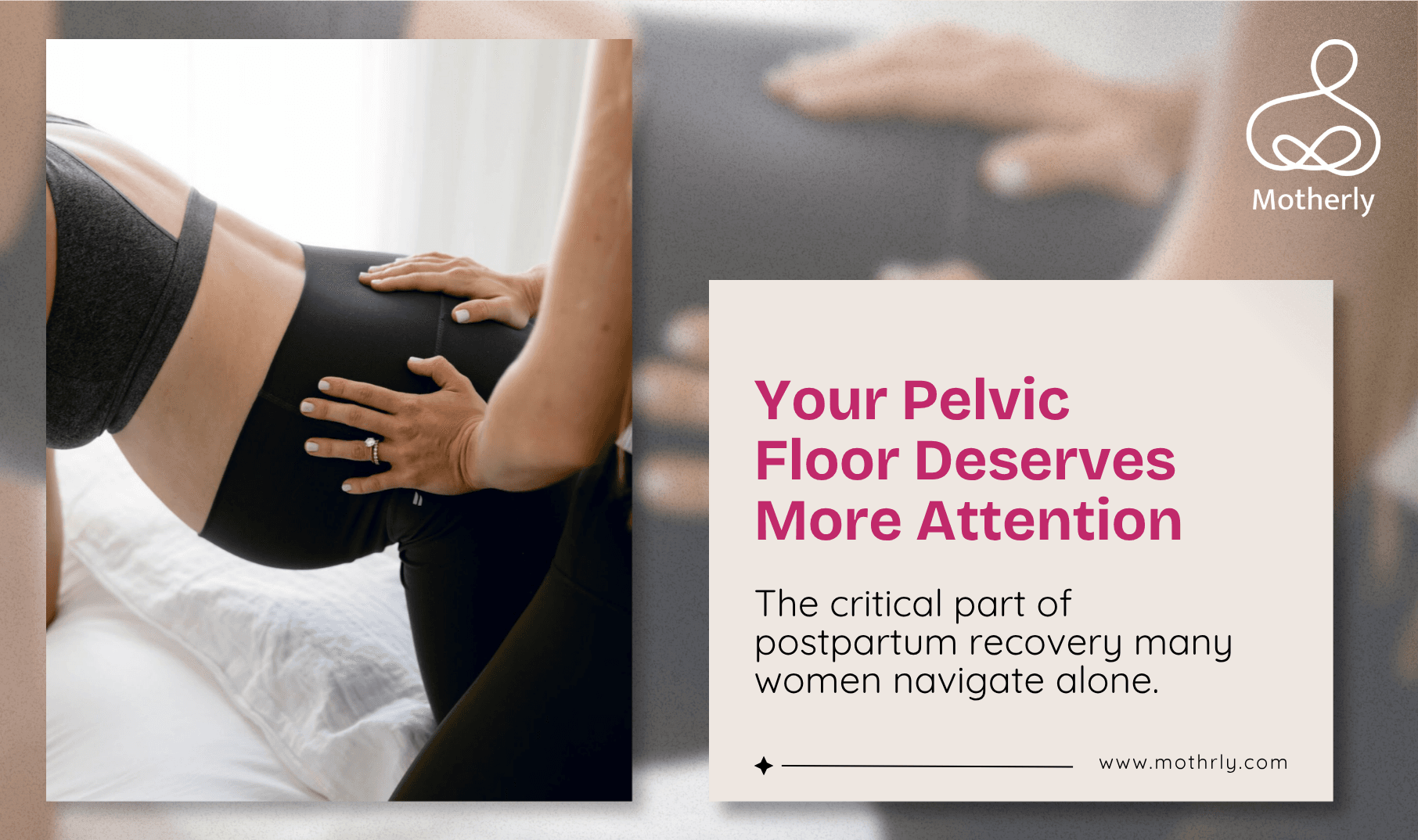
Motherly — Pelvic floor dysfunction affects most women after childbirth. Here is what it is, what causes it, and what actually helps — honest guidance most women never receive.
The pelvic floor — the group of muscles, ligaments, and connective tissue that forms the base of the pelvis and supports the bladder, uterus, and bowel — is subjected to extraordinary demands during pregnancy and birth. The growing uterus exerts increasing downward pressure on these structures across nine months. Labour, particularly long pushing phases, further stresses the pelvic floor. And yet postpartum pelvic floor rehabilitation is not a routine part of postpartum care in India in the way that it is in France, where every woman is offered a course of supervised pelvic floor physiotherapy following birth as a standard part of the national health system.
What pelvic floor dysfunction looks like
Pelvic floor dysfunction — the umbrella term for the range of problems that can arise from pelvic floor damage or dysfunction — includes urinary incontinence (leaking when you cough, sneeze, laugh, or exercise), urinary urgency, difficulty emptying the bladder completely, pelvic organ prolapse (the sensation of something falling out or a heaviness in the pelvis), and pelvic pain including pain with intercourse. All of these conditions are common after childbirth and all of them are significantly under-reported in the Indian context, where they fall into the category of things that are not spoken about and are assumed to be simply the price of having children.
"All of these conditions are common after childbirth, yet they fall into the category of things that are not spoken about."
What actually helps
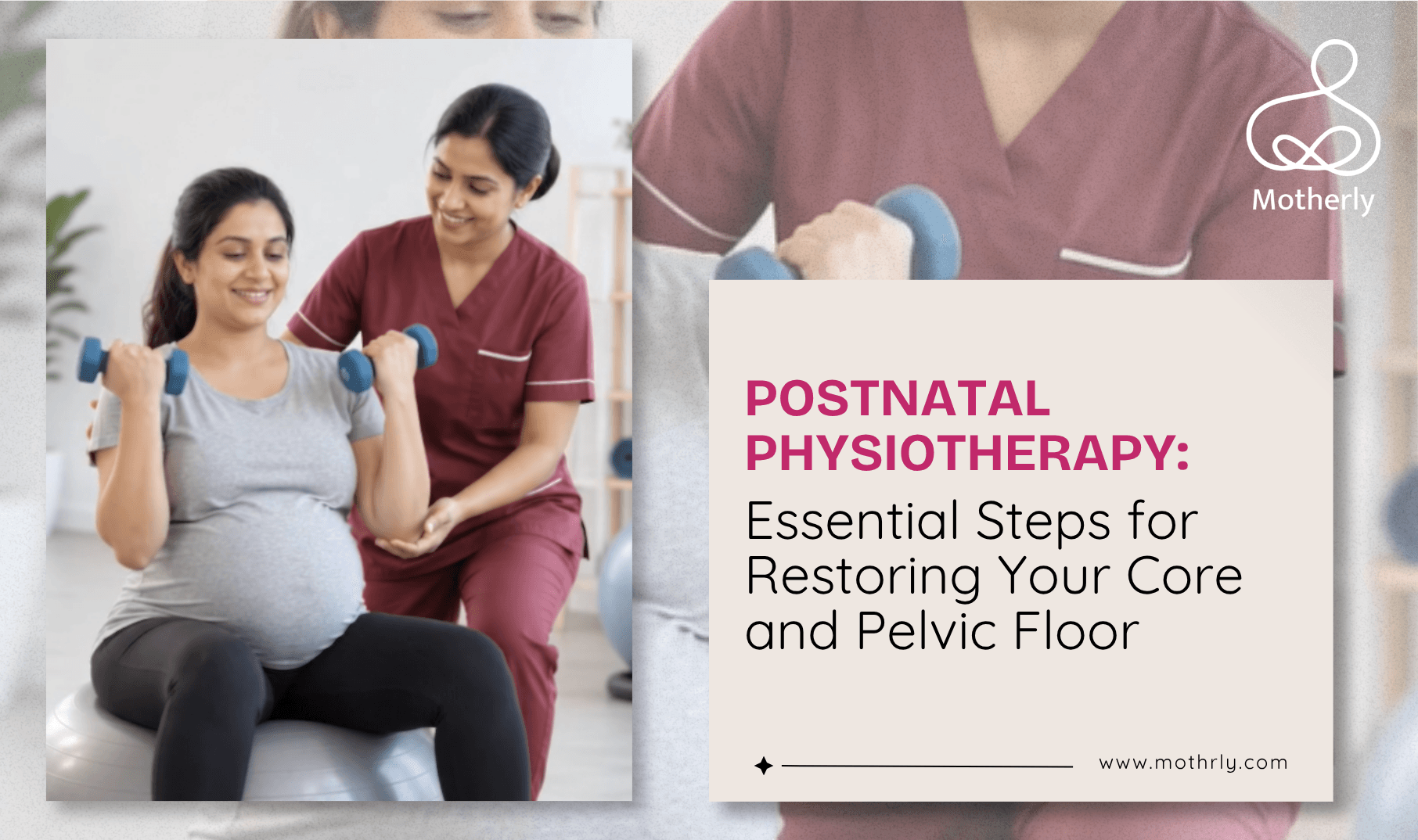
The evidence on pelvic floor rehabilitation is consistent: supervised physiotherapy with a specialist in women's health pelvic floor rehabilitation produces significantly better outcomes than unsupervised kegel exercises, which are what most women are told to do and which are both inconsistently performed and sometimes contraindicated in cases of pelvic floor hypertonicity (a too-tight rather than too-weak pelvic floor). The first step is assessment — understanding whether the pelvic floor is weak, tight, or both — before beginning an exercise programme. This assessment, performed by a trained physiotherapist, takes approximately thirty minutes and provides a foundation for effective rehabilitation that generic advice about kegels cannot provide.
Diastasis recti — the abdominal separation nobody mentions
Diastasis recti — the separation of the rectus abdominis muscles along the midline of the abdomen, which occurs in the majority of pregnancies as the growing uterus pushes these muscles apart — is another postpartum physical reality that most women discover by accident rather than through professional guidance. Significant diastasis recti, if not rehabilitated appropriately, contributes to lower back pain, pelvic instability, and abdominal weakness. And certain exercises that are commonly recommended for postpartum recovery — including sit-ups, crunches, and certain yoga postures — can worsen rather than improve diastasis recti if performed before adequate healing has occurred. Again, the intervention of a knowledgeable physiotherapist is far more effective than general exercise advice.
You Are Not Alone
Motherly advocates for comprehensive postpartum care that includes the physical recovery support every woman deserves.
Keep Reading

DOULA CARE
The Complete Guide to Choosing the Right Doula for Your Birthing Journey
Choosing a doula? Learn what a doula does, how to interview candidates, check training and costs, and spot red flags be…
September 30, 2026

BREASTFEEDING
Overcoming Early Breastfeeding Challenges: Expert Advice from Lactation Consultants
Struggling with early breastfeeding? Lactation consultants explain how to fix latch problems, sore nipples, low milk wo…
September 30, 2026