Uncategorized
I Am Pregnant. And I Am Terrified. Why Pregnancy Anxiety Is Normal, When It Becomes a Problem, and What Actually Helps.
motherly·May 30, 2026
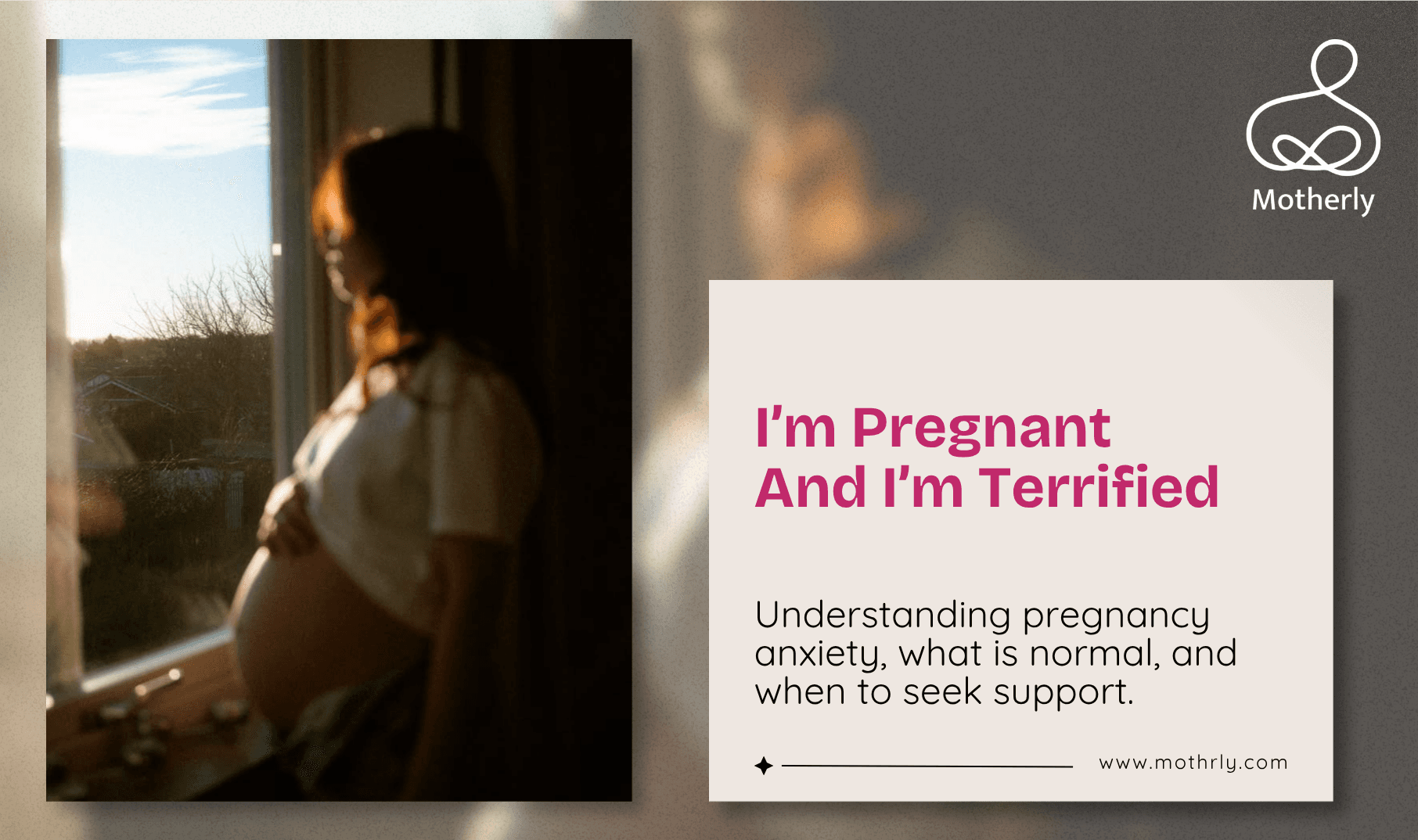
Motherly — Fear during pregnancy is one of the most common and least discussed experiences. Here is why it happens, what is normal, and the evidence-based approaches that help.
The moment the test shows positive, a particular kind of fear can enter. It is not a fear that diminishes the joy — it coexists with it, complicates it, sometimes overwhelms it. Fear of miscarriage in the first trimester. Fear of something being wrong with the baby. Fear of the birth. Fear of not being a good mother. Fear of what this change will do to the relationship, to the career, to the sense of self that existed before this line appeared. Pregnancy anxiety is the most common mental health experience of pregnancy, affecting up to one in five pregnant women at clinical levels and many more at subclinical ones. If this is your experience, you are in vast company — and there are things that genuinely help.
“You are not weak, you are not imagining things, and the anxious brain of pregnancy is doing exactly what it is designed to do — caring, intensely, about the life it is growing.”
Why the pregnant brain is wired for anxiety
The neurobiological changes of pregnancy actively upregulate threat detection in the maternal brain. This is not a dysfunction. It is an evolutionary adaptation. The same hormonal and neural changes that prepare a woman to be a protective, vigilant mother also increase her sensitivity to potential threats, her tendency to ruminate on risk, and her physiological stress response. In the context of a healthy pregnancy in a safe environment, this heightened vigilance can translate into disproportionate worry. The amygdala — the brain's threat-processing centre — is genuinely more active during pregnancy. Knowing this does not eliminate anxiety. But it is an important reframe: you are not weak, you are not imagining things, and the anxious brain of pregnancy is doing exactly what it is designed to do — caring, intensely, about the life it is growing.
Normal pregnancy worry versus clinical anxiety disorder
Anxiety during pregnancy exists on a spectrum. Worry about the pregnancy — about symptoms, about test results, about the birth — is normal and does not require treatment. Clinical anxiety disorder, characterised by anxiety that is persistent, intrusive, difficult to control, and interfering with daily functioning, sleep, eating, and relationships, is present in approximately 15-20% of pregnant women and does require support. The Edinburgh Postnatal Depression Scale, which also screens for anxiety, is often administered at antenatal appointments — but is frequently given only once and not followed up. If your anxiety is dominating your experience of pregnancy, affecting your ability to eat or sleep, causing you to repeatedly seek reassurance, preventing you from attending appointments, or producing physical symptoms, ask specifically for a referral to a perinatal mental health specialist.
What actually helps — the evidence
Cognitive behavioural therapy adapted for perinatal anxiety is the most evidence-based psychological treatment and significantly reduces symptoms in eight to twelve sessions. Mindfulness-based cognitive therapy also has good evidence specifically for pregnancy anxiety. Regular gentle exercise has documented anxiolytic effects throughout pregnancy. The single behavioural intervention with the most consistent evidence for reducing pregnancy anxiety is reducing information-seeking — specifically, limiting unstructured internet searching about pregnancy complications, which reliably amplifies anxiety rather than resolving it. Having one trusted healthcare provider to direct specific questions to, rather than consulting forums and search engines, is a simple change with meaningful effects on anxiety levels.
Support for Pregnancy Anxiety
Motherly holds you in the full complexity of pregnancy — the joy and the fear together. We are here to support you every step of the way.
Keep Reading
DOULA CARE
The Complete Guide to Choosing the Right Doula for Your Birthing Journey
Choosing a doula? Learn what a doula does, how to interview candidates, check training and costs, and spot red flags be…
September 30, 2026
BREASTFEEDING
Overcoming Early Breastfeeding Challenges: Expert Advice from Lactation Consultants
Struggling with early breastfeeding? Lactation consultants explain how to fix latch problems, sore nipples, low milk wo…
September 30, 2026