Mother's Health
Pregnancy Glow Is Real. But So Are Melasma, Stretch Marks, and Hair Loss. The Complete Truth About Your Skin During Pregnancy.
motherly·May 30, 2026
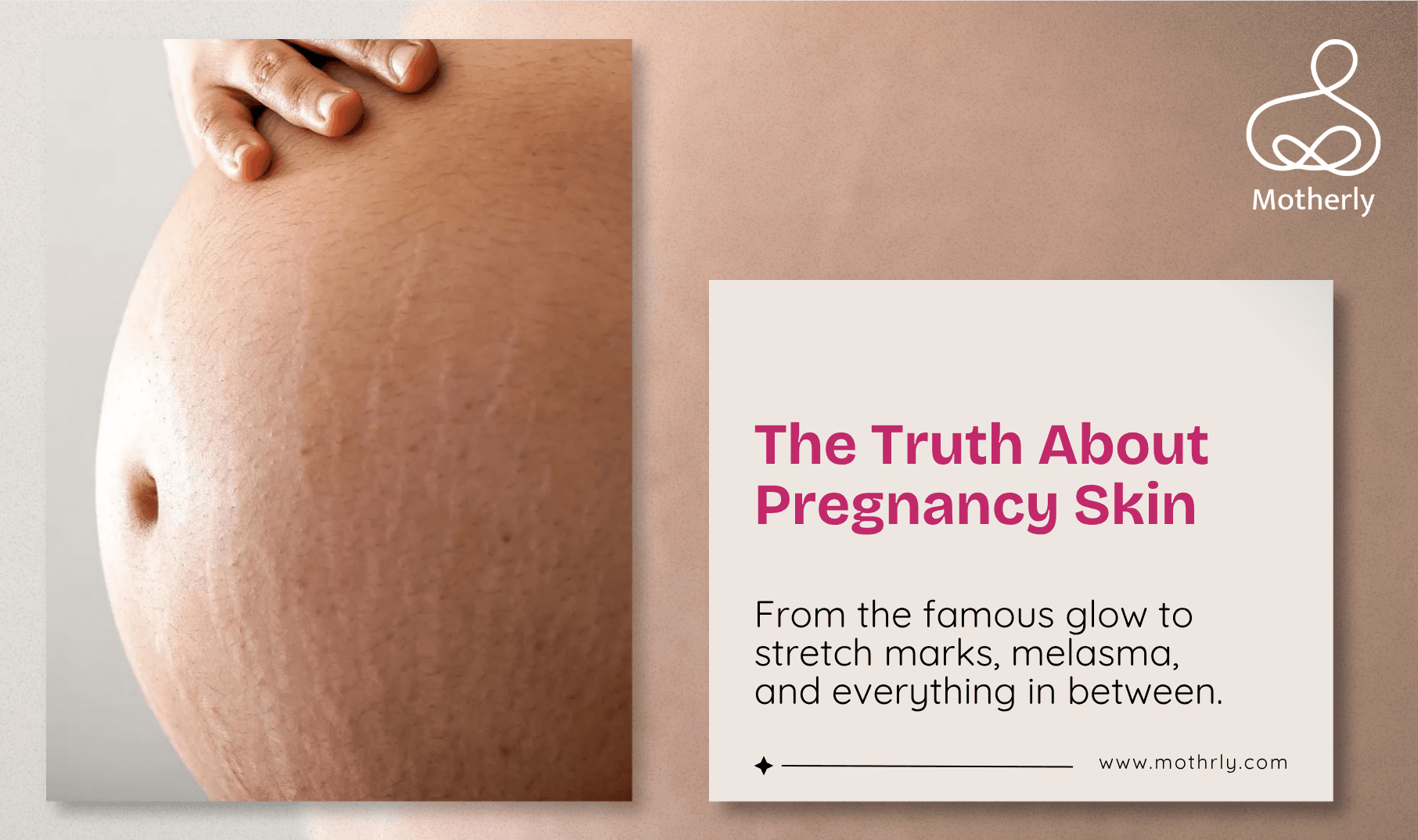
Motherly — Pregnancy changes your skin in ways nobody warns you about. Here is the honest, dermatologist-aligned guide to everything your skin goes through — and what actually helps.
Pregnancy skin is complicated. Yes, the glow is real — increased blood volume creates a warm, flushed luminosity, and elevated oestrogen increases natural sebum production, giving skin a dewy quality that many women notice in the second trimester. But pregnancy also produces melasma, stretch marks, acne flares in women who thought they had left that behind at sixteen, linea nigra, skin tags, spider veins, intense itching, and in some cases dramatic worsening of pre-existing skin conditions including eczema and rosacea. The experience of pregnancy skin is intensely individual and largely hormonal — you cannot reliably predict it from your sister's pregnancy or your mother's. What you can do is understand what is happening and respond appropriately.
“The experience of pregnancy skin is intensely individual and largely hormonal — you cannot reliably predict it from your sister's pregnancy or your mother's. What you can do is understand what is happening and respond appropriately.”
Melasma: what it is, why it happens, and what actually works
Melasma — the symmetrical brown or grey-brown patches that appear on the forehead, cheeks, nose, and chin of up to 70% of pregnant women — is caused by the combination of elevated oestrogen and progesterone increasing the activity of melanocytes (pigment-producing cells), triggered and worsened by UV exposure. Sun protection is the most important intervention, and it must be both consistent and comprehensive: broad-spectrum SPF 30 or higher applied daily regardless of cloud cover, physical blocking with wide-brimmed hats, and avoiding peak sun hours. Most treatments for melasma commonly used outside of pregnancy — hydroquinone, retinoids, azelaic acid at high concentrations, chemical peels — are contraindicated or have limited evidence of safety in pregnancy. Good news: melasma typically fades significantly within three to six months after delivery, particularly with consistent sun protection throughout.
Stretch marks: the honest truth about prevention
Stretch marks affect approximately 80% of pregnant women and their formation is influenced primarily by genetics and the speed of growth. If your mother had them, you are at significantly higher risk. They form when the dermis tears under rapid stretching, creating the initial red or purple marks that fade to silver-white over time. Despite the enormous and lucrative market for prevention creams — with ingredients including cocoa butter, shea butter, vitamin E oil, and bio-oils — there is no topical treatment with robust evidence for preventing stretch marks. Keeping skin well moisturised may improve comfort and may marginally reduce severity in some women. But if the marks are going to form, they will form. What changes significantly over time is their appearance: they become less visible, lighter, and for most women, far less concerning.
Acne, skin tags, and other changes worth knowing about
Acne during pregnancy is common, particularly in the first trimester when androgens are elevated. Many standard acne treatments are not safe in pregnancy — retinoids and tetracycline antibiotics are specifically contraindicated. Safe options include topical azelaic acid (safe in all trimesters), topical erythromycin with careful use in the first trimester, and glycolic acid-based products at low concentrations. Skin tags — small flesh-coloured growths that commonly appear on the neck, underarms, and under the breasts — are caused by hormonal changes and skin friction and are harmless. They often disappear after delivery. Spider veins and varicose veins are caused by increased blood volume and pressure on the venous system — support stockings reduce discomfort but do not prevent their formation.
Support for Your Pregnancy Journey
Motherly is your companion through every moment of pregnancy and beyond. We are here to support your skin and body changes with evidence-based solutions.
Keep Reading
DOULA CARE
The Complete Guide to Choosing the Right Doula for Your Birthing Journey
Choosing a doula? Learn what a doula does, how to interview candidates, check training and costs, and spot red flags be…
September 30, 2026
BREASTFEEDING
Overcoming Early Breastfeeding Challenges: Expert Advice from Lactation Consultants
Struggling with early breastfeeding? Lactation consultants explain how to fix latch problems, sore nipples, low milk wo…
September 30, 2026