Mother's Health
Your Pregnant Body Is Not a Problem to Be Fixed. It Is Doing Something Extraordinary. Why Pregnancy Body Image Needs a Complete Rethink.
motherly·May 30, 2026
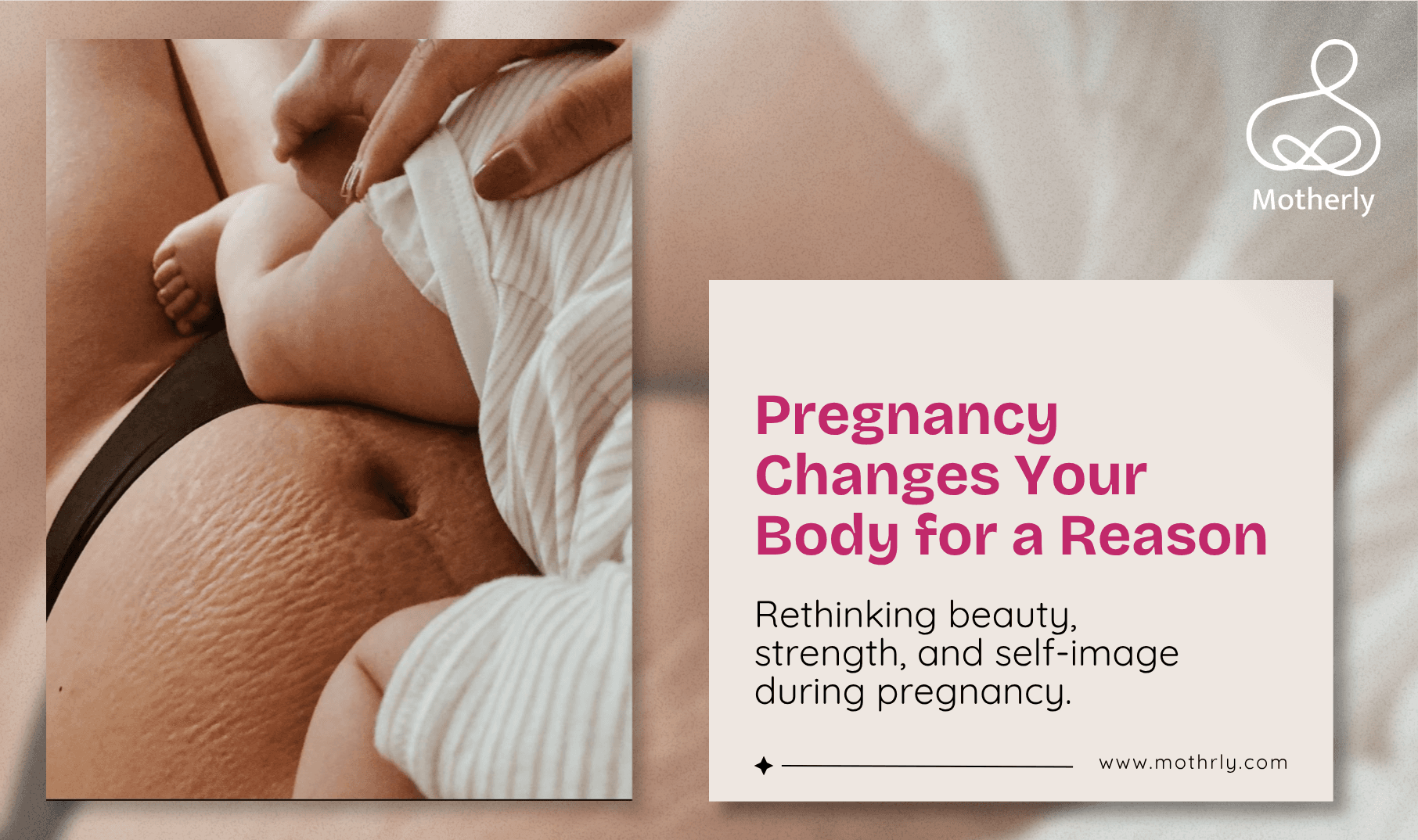
Motherly — Pregnancy body image struggles are real — and they are made worse by social media. Here is an honest, empowering guide to inhabiting and appreciating your changing body.
In the same week that a pregnant woman is told by her doctor that her weight gain is on track and her baby is growing beautifully, she can receive unsolicited comments from a colleague about whether she is 'sure it is not twins,' from a relative about whether she is eating too much, and from an algorithm that serves her photographs of women whose pregnant bodies look nothing like hers. The social experience of pregnancy, for many women, involves an extraordinary quantity of external opinion about a body that is doing something extraordinary — and a great deal of that opinion is negative, intrusive, or simply harmful. The result is a widespread pregnancy body image struggle that rarely gets the specific attention it deserves.
“The weight your body gains during a healthy pregnancy is appropriate. The shape it takes is appropriate. The marks it acquires are appropriate. This body is doing the most extraordinary thing.”
What is actually happening to the body — and why it is extraordinary
The physical changes of pregnancy extend far beyond the visible bump. Blood volume increases by approximately 50% to support the placenta and growing baby. The heart works harder and grows slightly. Ligaments throughout the entire body soften under the influence of relaxin. Breasts change structurally in preparation for feeding. The diaphragm rises as the uterus expands, changing breathing patterns. The skin stretches and may mark. The centre of gravity shifts, changing gait and posture. Every one of these changes is purposeful — not a malfunction, not a consequence of inadequate exercise or insufficient discipline, but the result of a biological programme of extraordinary sophistication doing precisely what it is designed to do. The body that looks and feels different to you right now is the most capable it has ever been.
The specific harm of social media during pregnancy
Research on social media use during pregnancy consistently shows an association between time spent on image-based platforms and body dissatisfaction, reduced acceptance of normal pregnancy weight gain, and elevated anxiety. The bodies represented in most pregnancy content on Instagram are not representative — they are selected for being small, neat, and conventionally attractive even while pregnant, and they are routinely photographed, filtered, and presented in ways that maximise this unrepresentativeness. The pregnant woman looking at these images is comparing her lived physical experience to a curated performance of pregnancy. This comparison is not a neutral act. It generates distress that has physiological effects on both mother and baby.
Finding a different relationship with your changing body
Body neutrality — focusing on what the body does rather than how it looks — is a more sustainable goal during pregnancy than performative body positivity, which can feel forced when you are genuinely uncomfortable. Practices that support a neutral relationship with the pregnant body include: focusing deliberately on function over appearance in how you think and talk about your body; engaging in movement that feels good rather than movement aimed at managing weight gain; wearing clothes that are comfortable and that accommodate your current shape without trying to disguise it; and consciously curating the content you consume. Most importantly: the weight your body gains during a healthy pregnancy is appropriate. The shape it takes is appropriate. The marks it acquires are appropriate. This body is doing the most extraordinary thing.
Celebrating the Pregnant Body
Motherly celebrates the full reality of the pregnant body — in all its forms. We are here to support your journey with body confidence and neutrality.
Keep Reading
DOULA CARE
The Complete Guide to Choosing the Right Doula for Your Birthing Journey
Choosing a doula? Learn what a doula does, how to interview candidates, check training and costs, and spot red flags be…
September 30, 2026
BREASTFEEDING
Overcoming Early Breastfeeding Challenges: Expert Advice from Lactation Consultants
Struggling with early breastfeeding? Lactation consultants explain how to fix latch problems, sore nipples, low milk wo…
September 30, 2026