Mother
Going Back to Work After Maternity Leave Is One of the Hardest Things a Mother Does. Nobody Makes It Easy. Here Is How to Navigate It.
motherly·June 2, 2026
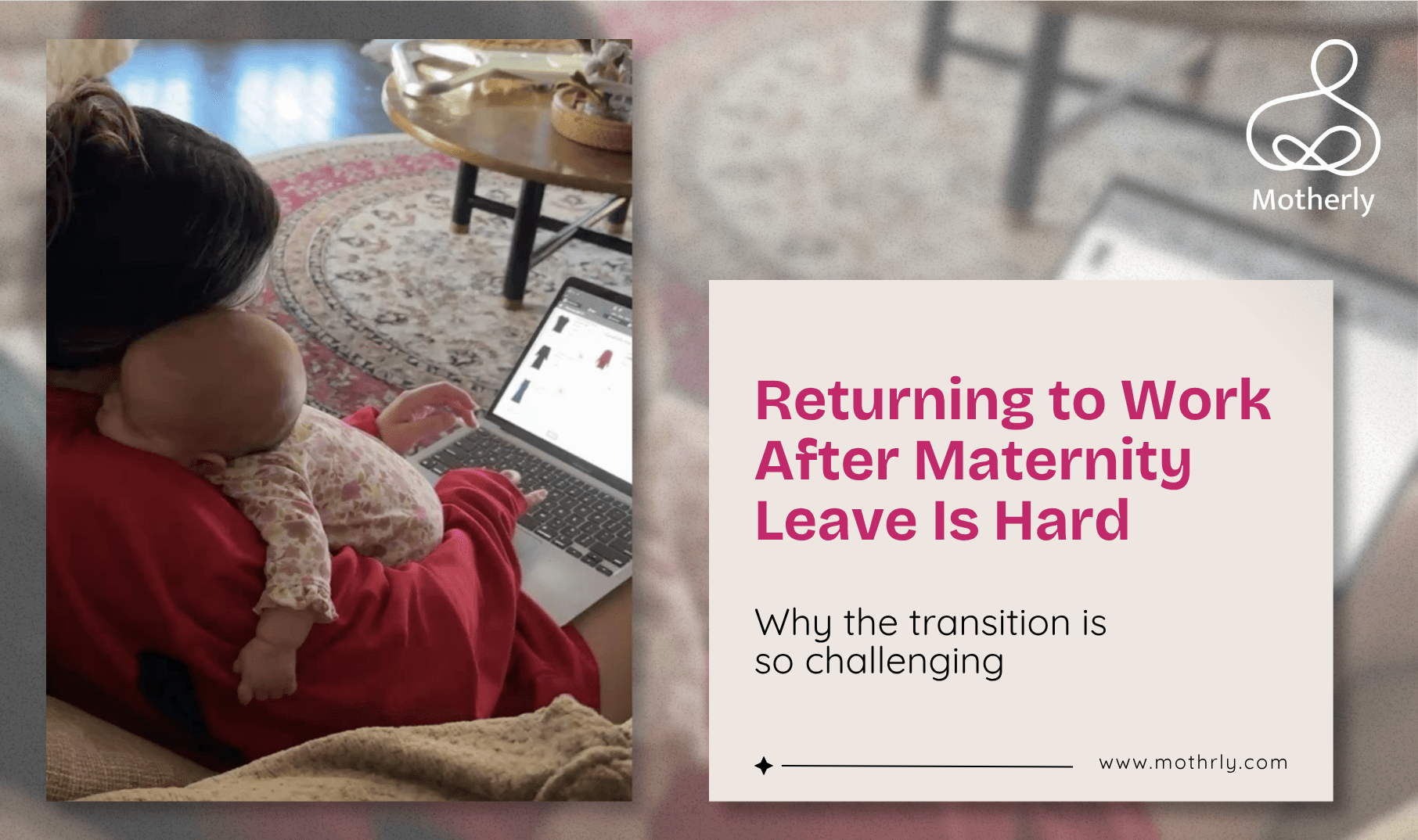
Motherly — Returning to work after maternity leave is hard in ways nobody prepares you for. Here is an honest guide to navigating the transition with sanity and confidence.
The return to work after maternity leave is, for most Indian mothers, an experience they have been dreading since the moment they held their baby for the first time. It arrives with a specific and complex emotional payload: guilt about leaving, anxiety about the quality of care in their absence, relief at the prospect of adult conversation and professional identity, guilt about the relief, worry about breastfeeding logistics, and the anticipatory exhaustion of managing everything that is about to double in complexity.
The structural failures that make this harder
India's maternity leave provisions, improved by the Maternity Benefit (Amendment) Act 2017 to 26 weeks for the first two children, represent progress. What the legislation does not address is the structural environment women return to: workplaces without lactation rooms, colleagues and managers with limited understanding of the practical needs of a breastfeeding mother, a culture of presenteeism that conflicts with the realities of childcare logistics, and the frequent informal expectation that a woman who has taken maternity leave will demonstrate her continued commitment through extra availability and productivity on return. These are systemic failures, not individual management failures, and they require systemic solutions.
"The quality of the relationship and the quality of the care are what matter — not whether the mother is present in every waking hour."
What helps practically
In the absence of systemic change, individual preparation can significantly reduce the stress of return. A detailed and tested childcare arrangement, with a backup plan, in place before the return date. A conversation with the manager before return about a phased approach to full workload — ideally a formal agreement rather than an informal understanding. Lactation support established before the return, including a dedicated space and a pumping schedule that is compatible with meeting obligations. A realistic reassessment of what can be done in the hours available, which requires saying no to some things, and a willingness to renegotiate expectations at home as well as at work. None of these solutions is perfect. All of them are better than hoping the transition will manage itself.
The guilt is real but it is not accurate information
The guilt that most mothers feel about returning to work is not an accurate indicator of harm to the child. Research on the outcomes of children in quality childcare is consistent: children who receive good quality care from consistent, warm caregivers during their mother's working hours develop as well as children in full-time parental care on the developmental measures that matter. The quality of the relationship and the quality of the care are what matter — not whether the mother is present in every waking hour. The guilt is real and deserves acknowledgement. It is not, however, accurate information about your child's wellbeing.
You Are Not Alone
Motherly supports working mothers across every dimension of the dual role. Because you can be both.
Keep Reading

DOULA CARE
The Complete Guide to Choosing the Right Doula for Your Birthing Journey
Choosing a doula? Learn what a doula does, how to interview candidates, check training and costs, and spot red flags be…
September 30, 2026

BREASTFEEDING
Overcoming Early Breastfeeding Challenges: Expert Advice from Lactation Consultants
Struggling with early breastfeeding? Lactation consultants explain how to fix latch problems, sore nipples, low milk wo…
September 30, 2026