Mother's Health
Your Body Needs Six Months of Preparation Before Conception. Most Women Start After the Positive Test. Here Is Why That Matters
motherly·May 25, 2026
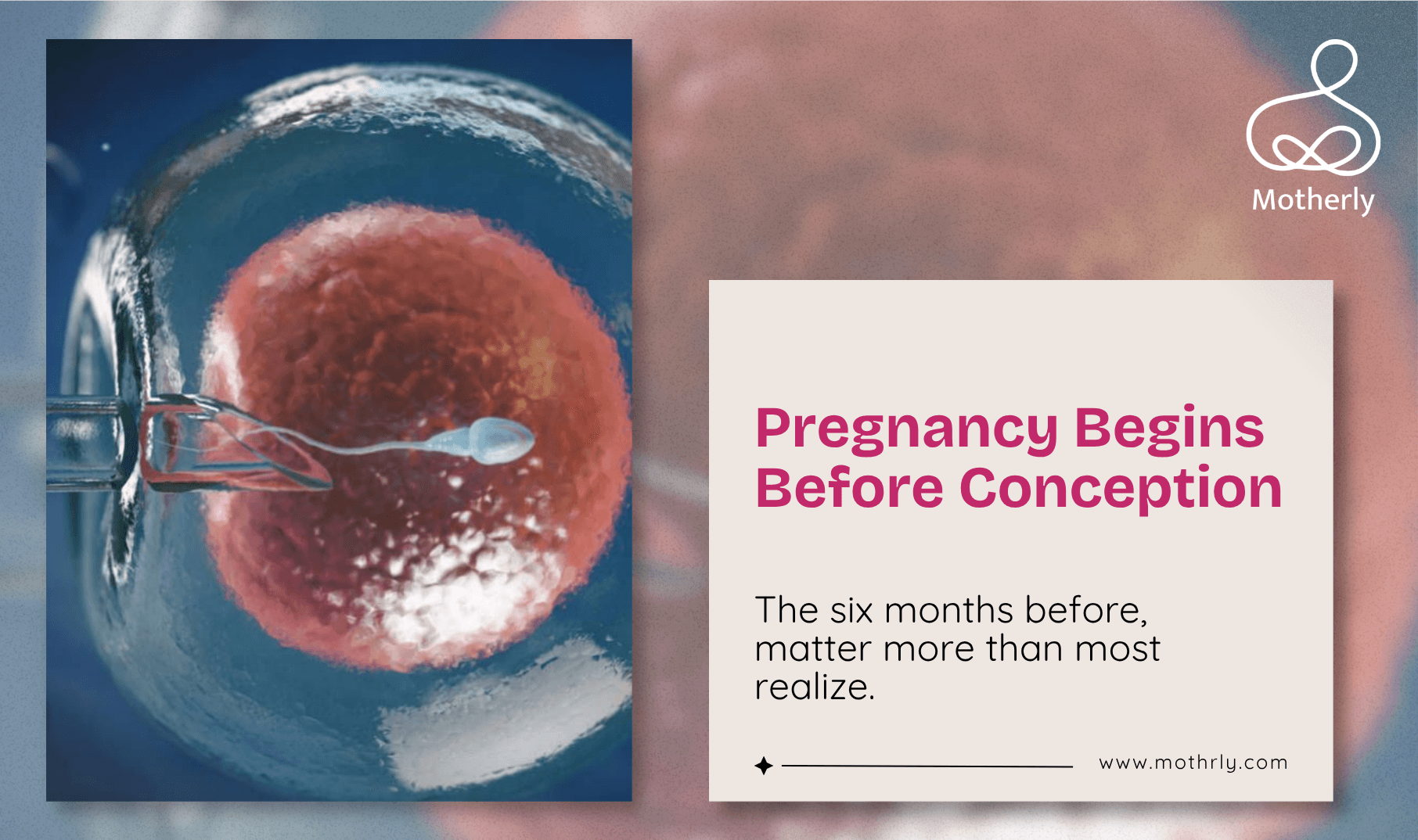
Motherly — Your body needs six months of preparation before conception. Here is the science,
the nutrition, and the lifestyle changes that actually move the needle.
The conventional approach to pregnancy nutrition in India is to begin taking folic acid when the pregnancy test is positive. This approach is better than nothing. But it represents a significant missed opportunity. The nutritional environment in which an egg matures, in which fertilisation occurs, in which an embryo implants, and in which the first critical weeks of development happen is established months before the positive test. The nutritional status of the mother at the moment of conception influences everything from the viability of the embryo to the health outcomes of the child across their entire lifespan.
This is not a hypothetical or theoretical claim. It is one of the most robustly established findings in nutritional science, documented across decades of research and codified in the concept of the ‘first thousand days’—the period from conception to the child’s second birthday during which nutritional adequacy has the most profound and lasting effects on lifelong health. The first thousand days begin at conception. The nutritional preparation begins before conception.
“The nutritional status of the mother at the moment of conception influences everything from
the viability of the embryo to the health outcomes of the child across their entire lifespan.”
The nutrients most critical in the pre-conception period
Folate: the most widely known pre-conception nutrient, critical for neural tube development in the first weeks of pregnancy—weeks during which most women do not yet know they are pregnant. Supplementation should begin at least one month before planned conception, ideally three months. Iron: many Indian women enter pregnancy with insufficient iron stores, which increases the risk of anaemia during pregnancy and is associated with adverse outcomes for both mother and child. Building iron stores before conception, through diet and targeted supplementation where necessary, is significantly more effective than trying to correct a deficiency during pregnancy. Vitamin D: deficiency is near-universal in Indian women regardless of sun exposure due to darker skin pigmentation, limited outdoor time, and dietary patterns. Vitamin D plays a role in ovarian function, implantation, and immune tolerance of the developing embryo. Omega-3 fatty acids, zinc, iodine, and B12 (particularly relevant for vegetarian women) are also among the nutrients where deficiency at conception can have significant consequences.
Ayurvedic pre-conception preparation
The Ayurvedic tradition has a sophisticated understanding of pre-conception preparation, called Garbha Sanskar preparation or the preparation of Shukra (male reproductive tissue) and Artava (female reproductive tissue). The classical texts recommend specific dietary approaches, herbal preparations, lifestyle practices, and psychological preparation for the period before conception. While some of these classical recommendations require adaptation for contemporary life, the underlying principle—that both the physical and psychological environment created by both partners in the months before conception matters for the health and quality of the life that will be conceived—is consistent with modern evidence.
Prepare Your Body and Heart
Motherly offers personalised pre-conception nutrition guidance, Ayurvedic support, and a community of women preparing their bodies and hearts for motherhood. Visit mothrly.com.
Keep Reading

DOULA CARE
The Complete Guide to Choosing the Right Doula for Your Birthing Journey
Choosing a doula? Learn what a doula does, how to interview candidates, check training and costs, and spot red flags be…
September 30, 2026

BREASTFEEDING
Overcoming Early Breastfeeding Challenges: Expert Advice from Lactation Consultants
Struggling with early breastfeeding? Lactation consultants explain how to fix latch problems, sore nipples, low milk wo…
September 30, 2026