Mother's Health
Nobody Sleeps Well in the Third Trimester. But There Are Specific, Evidence-Based Things That Make a Real Difference.
motherly·May 30, 2026
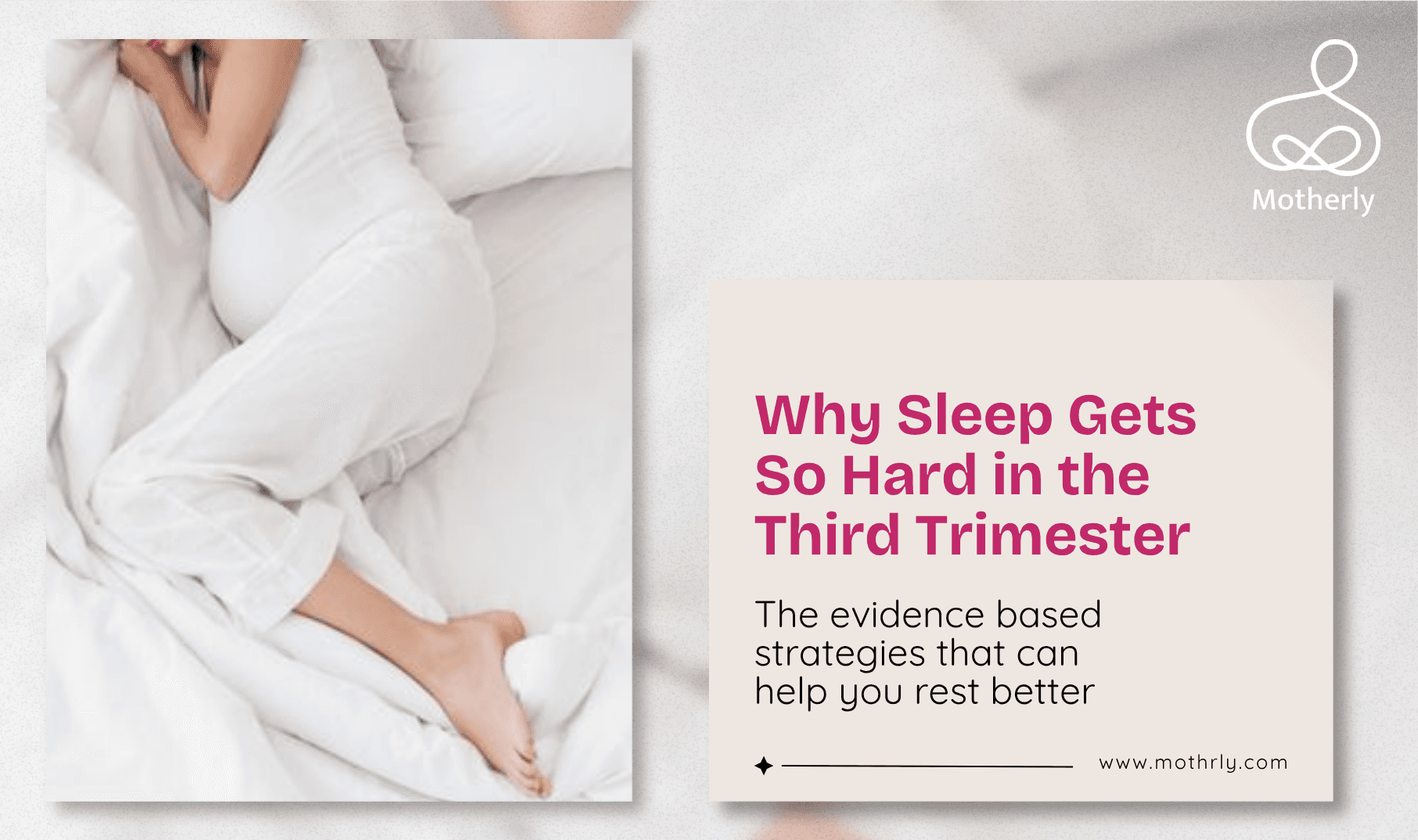
Motherly — Third trimester sleep problems are almost universal. Here is the science of pregnancy sleep — and the specific positions, pillows, routines and habits that genuinely help.
By the third trimester, comfortable sleep feels like a memory from a previous life. The combination of a large, active uterus compressing the bladder, the back, the diaphragm, and major blood vessels — together with increased foetal movement, round ligament pain, heartburn, leg cramps, restless legs, and mounting anxiety about the approaching birth — makes uninterrupted sleep almost physiologically impossible for most women in the final weeks. The research confirms this: sleep quality deteriorates significantly in the third trimester for the vast majority of pregnant women, regardless of prior sleep habits. This is not a problem you are failing to solve. It is a physiological reality. But there are specific interventions that genuinely improve it, and understanding the biology helps you choose them well.
“By the third trimester, sleep quality deteriorates significantly for the vast majority of pregnant women. This is not a problem you are failing to solve. It is a physiological reality.”
The left lateral position: why it matters and how to make it work
The single most evidence-supported intervention for third trimester sleep comfort is the left lateral position with pillow support. Sleeping on the left side avoids compression of the inferior vena cava — the large vein that returns blood from the lower body to the heart — which is significantly compressed when you lie on your back in late pregnancy, reducing cardiac output and potentially reducing blood flow to the placenta. A pillow between the knees reduces hip and sacral pain. A pillow supporting the bump from beneath reduces the downward pull on the round ligaments. A pillow behind the back prevents rolling backwards. Pregnancy body pillows that provide all three support points in a single piece are worth the investment for many women — they reduce the nighttime re-arrangement of multiple pillows that fragments sleep further.
Heartburn at night: the most effective interventions
Heartburn disrupting sleep affects up to 80% of women in the third trimester, as the growing uterus pushes the stomach contents upward against a lower oesophageal sphincter relaxed by progesterone. Elevation of the head of the bed by 15-20 degrees — using a wedge pillow or raising the head of the mattress — is more effective than adding extra pillows to prop the head (which tend to slide and provide inconsistent elevation). Avoiding eating within two hours of lying down is the most impactful dietary intervention. Identifying and avoiding personal trigger foods — fatty foods, spicy foods, chocolate, and acidic foods are the most common — can significantly reduce nocturnal heartburn. Liquid antacids work faster than tablet forms for overnight symptoms. If heartburn is severe despite these measures, discuss prescription-strength options safe in pregnancy with your doctor.
Leg cramps, restless legs, and sleep environment
Leg cramps in the third trimester are common and often occur at night, waking women from sleep. Magnesium supplementation at 300mg daily has reasonable evidence for prevention. Stretching the calf muscles against a wall before bed reduces cramp frequency for many women. Staying well hydrated throughout the day (not just in the evening, which increases nocturia) supports muscle function. Restless legs syndrome, which affects approximately 25% of pregnant women, is associated with iron and folate deficiency — ensuring adequate levels of both is the first intervention. The sleep environment should be kept cool, dark, and quiet where possible. Napping in the first half of the afternoon — not after 3pm, which fragments nighttime sleep — can partially offset nocturnal disruption without worsening the nighttime picture.
Support for Third Trimester Sleep
Motherly is your companion through every moment of pregnancy and beyond. We are here to support your sleep and wellness with evidence-based solutions.
Keep Reading

DOULA CARE
The Complete Guide to Choosing the Right Doula for Your Birthing Journey
Choosing a doula? Learn what a doula does, how to interview candidates, check training and costs, and spot red flags be…
September 30, 2026

BREASTFEEDING
Overcoming Early Breastfeeding Challenges: Expert Advice from Lactation Consultants
Struggling with early breastfeeding? Lactation consultants explain how to fix latch problems, sore nipples, low milk wo…
September 30, 2026