Family
The Love Between Siblings Is the Longest Relationship Most People Will Ever Have. Why Does Nobody Talk About What It Does to a Child?
motherly·May 22, 2026
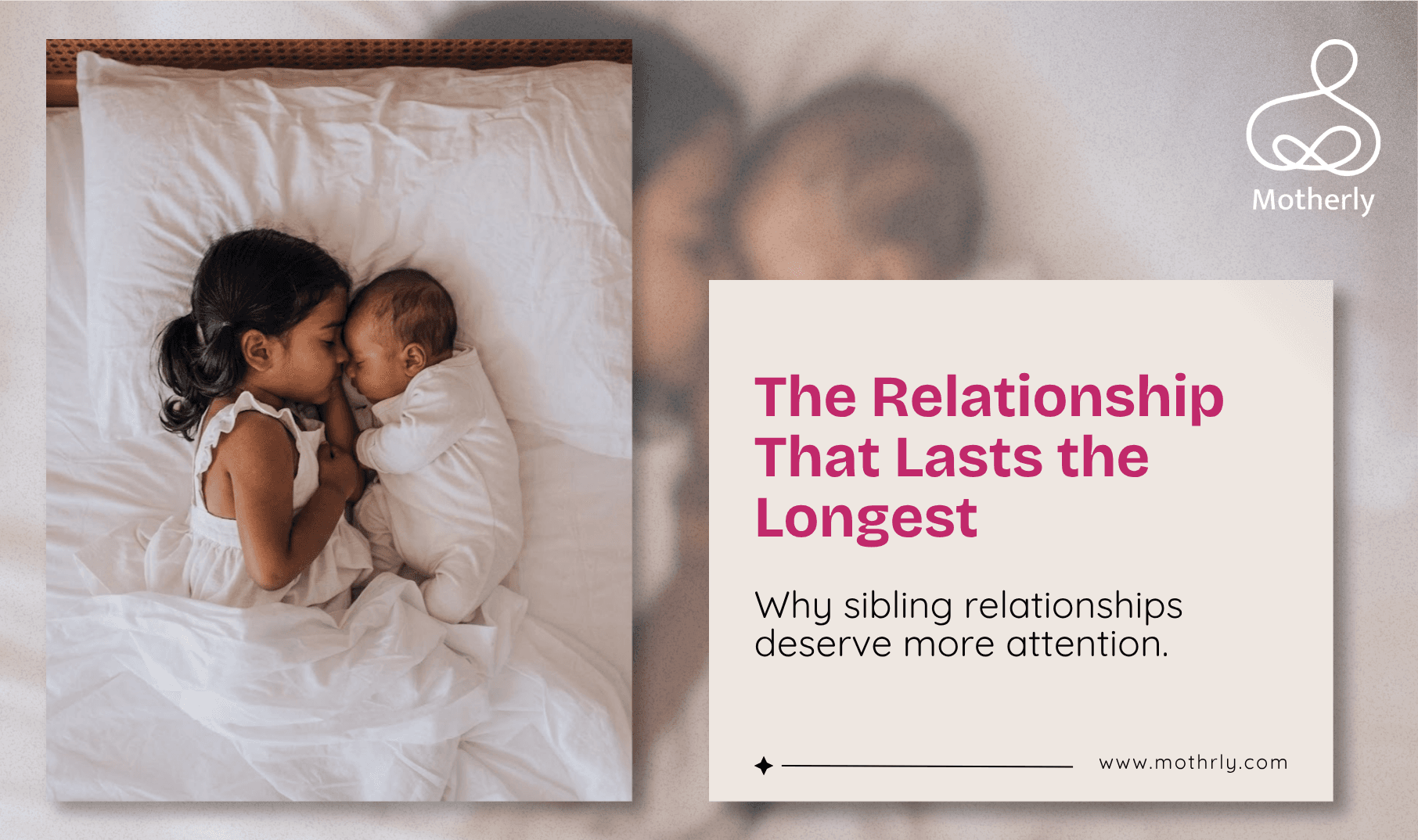
Motherly — The sibling relationship is among the most developmentally significant relationships a child will have — more formative than most parents realise.
The relationship between siblings is, for most people who have them, the longest continuous human relationship of their lives. It begins before memory forms — in the arrival of a new sibling into a family that was previously organised around a different configuration — and it continues, in most cases, until death. It is a relationship of extraordinary complexity: simultaneous intimacy and rivalry, unconditional acceptance and sharp judgment, the easiest companionship and the most piercing criticism. And it is among the most developmentally significant relationships a child will have — more formative than most parents realise.
“Raksha Bandhan is not a festival about a thread. It is a celebration of a specific kind of love — protective, unconditional, and sustained across the difficulties of adult life.”
What siblings teach each other that parents cannot
Parents teach children many things. But there are specific lessons that only siblings can teach, because only siblings are in a comparable developmental position and have a comparable emotional stake in the relationship. Siblings teach negotiation — the real kind, where both parties have genuine competing interests and neither has adult authority to resolve the conflict from above. They teach tolerance for difference — because siblings are frequently very different from each other in temperament, interests, and needs, and learning to love someone genuinely unlike you is a skill that transfers to every other relationship in life. They teach the experience of not being the most important person in the room, which is one of the most important lessons a person can learn.
The older sibling’s particular gift
The older sibling’s experience of a new baby’s arrival is one of the most psychologically significant events of early childhood. Done well — with parents who prepare, acknowledge, and hold the older child’s complex feelings with care — it produces a capacity for empathy, generosity, and protective love that is rarely developed any other way. The older child who learns to be gentle with a baby, to consider a smaller person’s needs, to feel pride in another’s growth rather than only in their own achievements — this child is developing emotional intelligence that will serve them for the rest of their life.
Why Indian culture’s understanding of sibling bonds is profound
The Indian cultural tradition treats the sibling relationship as one of the most sacred bonds in human life. Raksha Bandhan is not a festival about a thread. It is a celebration of a specific kind of love — protective, unconditional, and sustained across the difficulties of adult life. The tradition of the elder sibling’s responsibility and the younger sibling’s trust encodes a relational wisdom that developmental psychology has confirmed: siblings who develop strong protective bonds in childhood are better equipped for adult relationships, more resilient in the face of difficulty, and more likely to maintain family connections across the disruptions of modern life.
With You Through Every Chapter
The Motherly community understands that motherhood begins with one child and grows with every one that follows. We are with you through every chapter. Visit mothrly.com.
Keep Reading
DOULA CARE
The Complete Guide to Choosing the Right Doula for Your Birthing Journey
Choosing a doula? Learn what a doula does, how to interview candidates, check training and costs, and spot red flags be…
September 30, 2026
BREASTFEEDING
Overcoming Early Breastfeeding Challenges: Expert Advice from Lactation Consultants
Struggling with early breastfeeding? Lactation consultants explain how to fix latch problems, sore nipples, low milk wo…
September 30, 2026