Mother's Health
Your Thyroid Could Be the Reason You Are Not Getting Pregnant And Most Doctors Are Not Testing It Thoroughly Enough
motherly·May 25, 2026
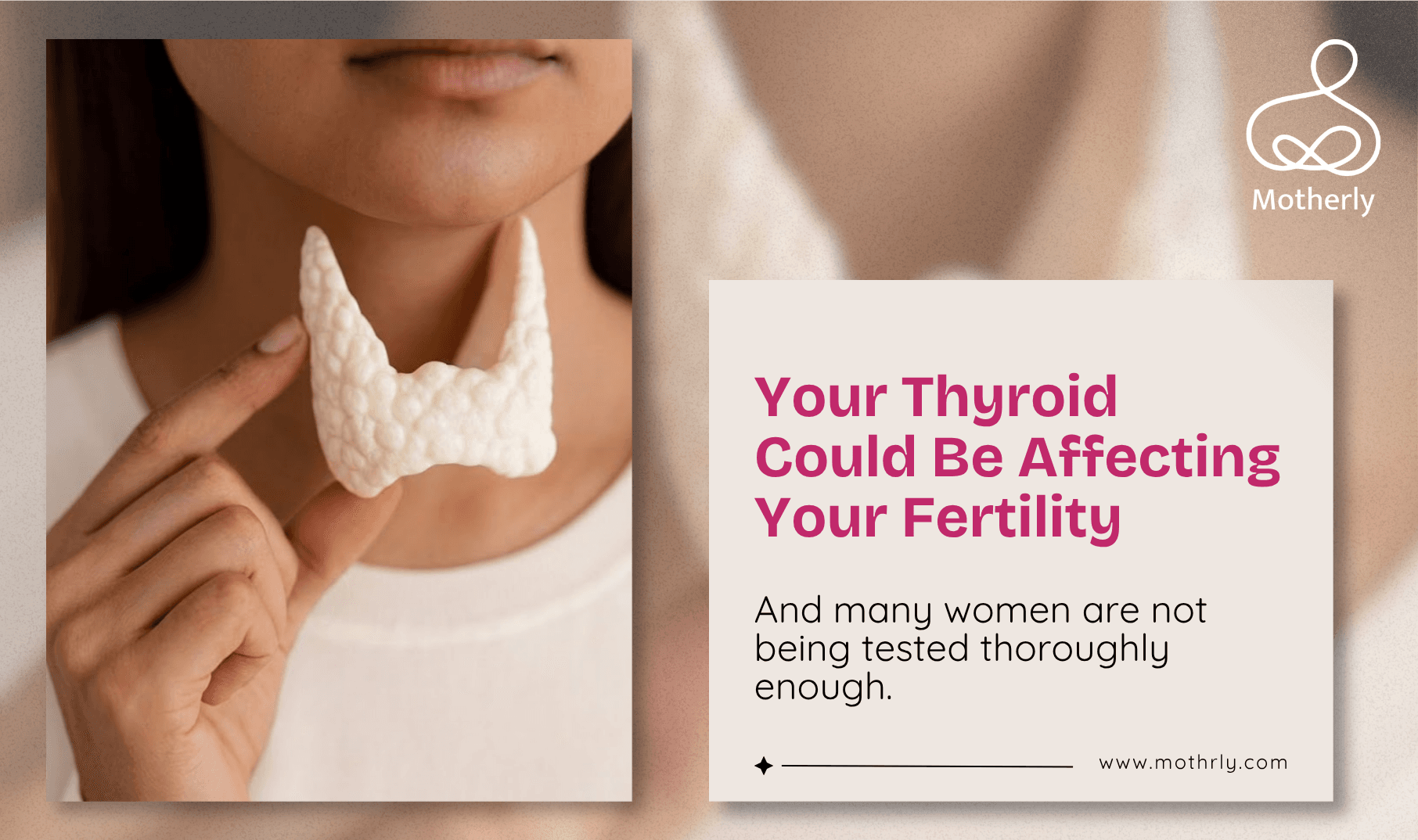
Motherly — Your thyroid could be the reason you are not getting pregnant — and most doctors
do not test it thoroughly. Here is what to demand and why.
Thyroid dysfunction is among the most common and most under-diagnosed conditions affecting fertility and pregnancy in Indian women. Hypothyroidism—an underactive thyroid gland—affects an estimated 10 to 11% of the Indian population, with women significantly more affected than men. Subclinical hypothyroidism, where thyroid-stimulating hormone (TSH) levels are above optimal but within the conventional ‘normal’ range, is estimated to affect a further significant proportion of women of reproductive age. Both overt and subclinical hypothyroidism are associated with irregular ovulation, reduced fertility, higher miscarriage rates, and adverse pregnancy outcomes if untreated.
The clinical challenge is that the conventional TSH reference range—typically 0.4 to 4.0 mIU/L—is not the optimal range for fertility and pregnancy. Most fertility specialists and endocrinologists recommend that women trying to conceive should have TSH levels below 2.5 mIU/L. A woman with a TSH of 3.8 will typically be told her thyroid function is ‘normal’ by a general practitioner. But her TSH is suboptimal for fertility, and addressing it may significantly improve her pregnancy outcomes.
“The conventional TSH reference range is not the optimal range for fertility and pregnancy.
Most fertility specialists recommend TSH levels below 2.5 mIU/L.”
Symptoms of thyroid dysfunction that women often attribute to other causes
Fatigue, which is easily attributed to work stress or sleep deprivation. Weight gain or difficulty losing weight despite dietary changes. Hair loss or thinning, which is often attributed to nutritional deficiency or stress. Cold sensitivity. Constipation. Brain fog. Irregular or heavy menstrual cycles. Low mood. These symptoms, individually, are non-specific and easily explained away. Together, and in combination with fertility challenges, they should prompt a thorough thyroid evaluation.
The role of nutrition in thyroid health
Iodine is essential for thyroid hormone production and is the most common nutritional cause of hypothyroidism globally. Indian dietary patterns, particularly in inland regions without regular seafood consumption, may be iodine-insufficient despite the widespread use of iodised salt. Selenium, found in nuts, seeds, and seafood, is essential for the conversion of inactive thyroid hormone to its active form and for the antioxidant protection of the thyroid gland. Iron deficiency, prevalent in Indian women, impairs thyroid hormone synthesis. Addressing these nutritional factors is a meaningful complement to medical thyroid management.
Support Your Thyroid Health
Motherly's health guidance covers the nutritional and lifestyle factors that support thyroid health and fertility.
Keep Reading

DOULA CARE
The Complete Guide to Choosing the Right Doula for Your Birthing Journey
Choosing a doula? Learn what a doula does, how to interview candidates, check training and costs, and spot red flags be…
September 30, 2026
BREASTFEEDING
Overcoming Early Breastfeeding Challenges: Expert Advice from Lactation Consultants
Struggling with early breastfeeding? Lactation consultants explain how to fix latch problems, sore nipples, low milk wo…
September 30, 2026