Toddler Nutrition
Your Toddler Is Not a Picky Eater. They Are a Normal Human Being Doing Exactly What Biology Designed Them to Do.
motherly·June 1, 2026
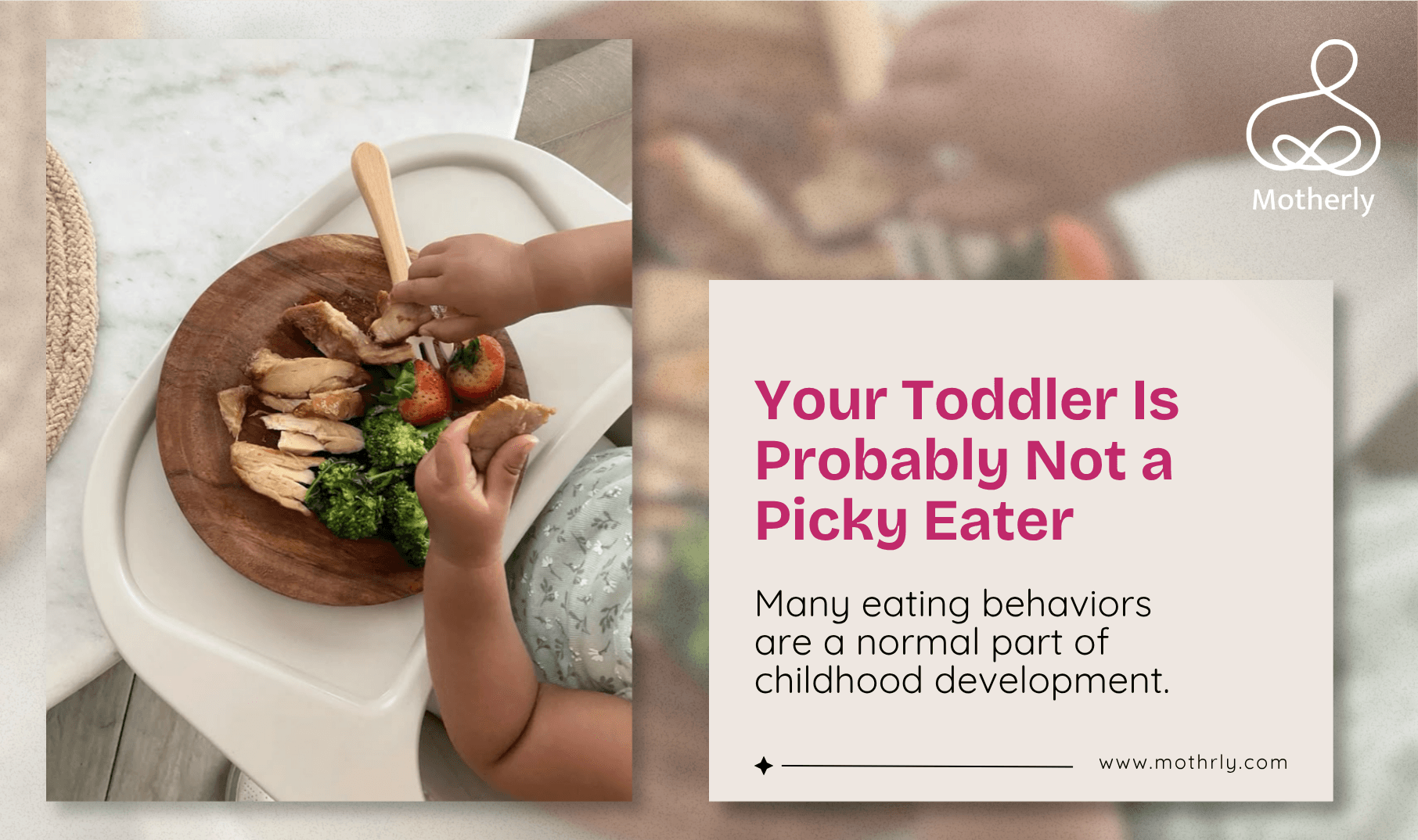
Motherly — Toddler food refusal is often food neophobia, a normal biological response. Repeated low-pressure exposure works better than pressure or battles at the table.
The toddler who refuses everything green, who will eat the same three foods for three weeks and then abruptly reject all of them, who inspects each new food with the suspicion of a customs official and frequently returns a verdict of rejection, this child is not making your life difficult on purpose. They are displaying food neophobia, a biologically adaptive behaviour that evolutionary psychologists believe protected toddlers from accidental poisoning during the developmental period when they were beginning to feed themselves independently. The same instinct that kept your ancestors' toddlers from eating poisonous plants in the wild is what makes your child refuse the dal that they ate perfectly happily last week.
Understanding this does not make mealtimes easier in the moment. But it changes the frame in a way that matters. The picky toddler is not a child who has learned bad habits that need to be corrected through persistence, pressure, or creative concealment of vegetables. They are a child whose nervous system is functioning normally, and who needs repeated, low-pressure exposure to new foods over time, not coercion.
What the research actually shows about food exposure
The research on toddler food acceptance is remarkably consistent: children need to be exposed to a new food between ten and fifteen times before they reliably accept it. Not served it once, refused, and concluded they do not like it. Exposed, which means seeing it on the plate, smelling it, touching it, occasionally tasting it under no pressure to swallow. Each exposure, even if the food is rejected, contributes to familiarity. Familiarity reduces the neophobia response. Acceptance follows, eventually, if the exposure is relaxed and consistent. The parent who gives up after three refusals and concludes their child simply does not eat broccoli is statistically likely to be mistaken.
"Picky eating is often biology, not defiance — and repeated calm exposure is what changes it."
Why pressure at mealtimes backfires
The instinct to ensure a toddler eats enough is completely understandable and completely counterproductive when acted upon through pressure. Research from feeding psychology consistently shows that children who are pressured to eat, through coaxing, reward systems, airplane-spoon tactics, concealment of disliked foods in liked ones, develop worse relationships with food over time, not better ones. They become more, not less, resistant to new foods. They lose the ability to self-regulate hunger and fullness that all children are born with. The division of feeding responsibility articulated by feeding therapist Ellyn Satter, parents are responsible for what is offered, when, and in what environment; children are responsible for whether they eat and how much, is the most evidence-based framework available for raising a child with a healthy relationship with food.
The Indian approach to toddler feeding
Indian cuisine offers one of the most nutritionally diverse and texturally varied food traditions in the world, and this diversity is an extraordinary asset in raising a toddler with broad food acceptance. The gradual introduction of spiced foods, beginning with mild tempering and building to the full flavour complexity of Indian cooking, is consistent with what research shows about palate development: early exposure to varied flavours reduces food neophobia and produces more adventurous adult eaters. The traditional Indian approach of feeding toddlers adapted versions of family foods, rather than maintaining a separate children's menu of bland, processed foods, is nutritionally and developmentally superior. The challenge in modern urban families is maintaining this tradition in the face of the processed food industry's active targeting of the toddler market.
Feeding Guidance for Toddler Years
Motherly provides evidence-based feeding guidance, recipes, and community support for parents navigating the toddler years.
Keep Reading

DOULA CARE
The Complete Guide to Choosing the Right Doula for Your Birthing Journey
Choosing a doula? Learn what a doula does, how to interview candidates, check training and costs, and spot red flags be…
September 30, 2026

BREASTFEEDING
Overcoming Early Breastfeeding Challenges: Expert Advice from Lactation Consultants
Struggling with early breastfeeding? Lactation consultants explain how to fix latch problems, sore nipples, low milk wo…
September 30, 2026