Parenting
Weaning Does Not Have to Be Traumatic. The Gentle, Child-Led Approach That Respects Both Baby and Mother.
motherly·May 28, 2026
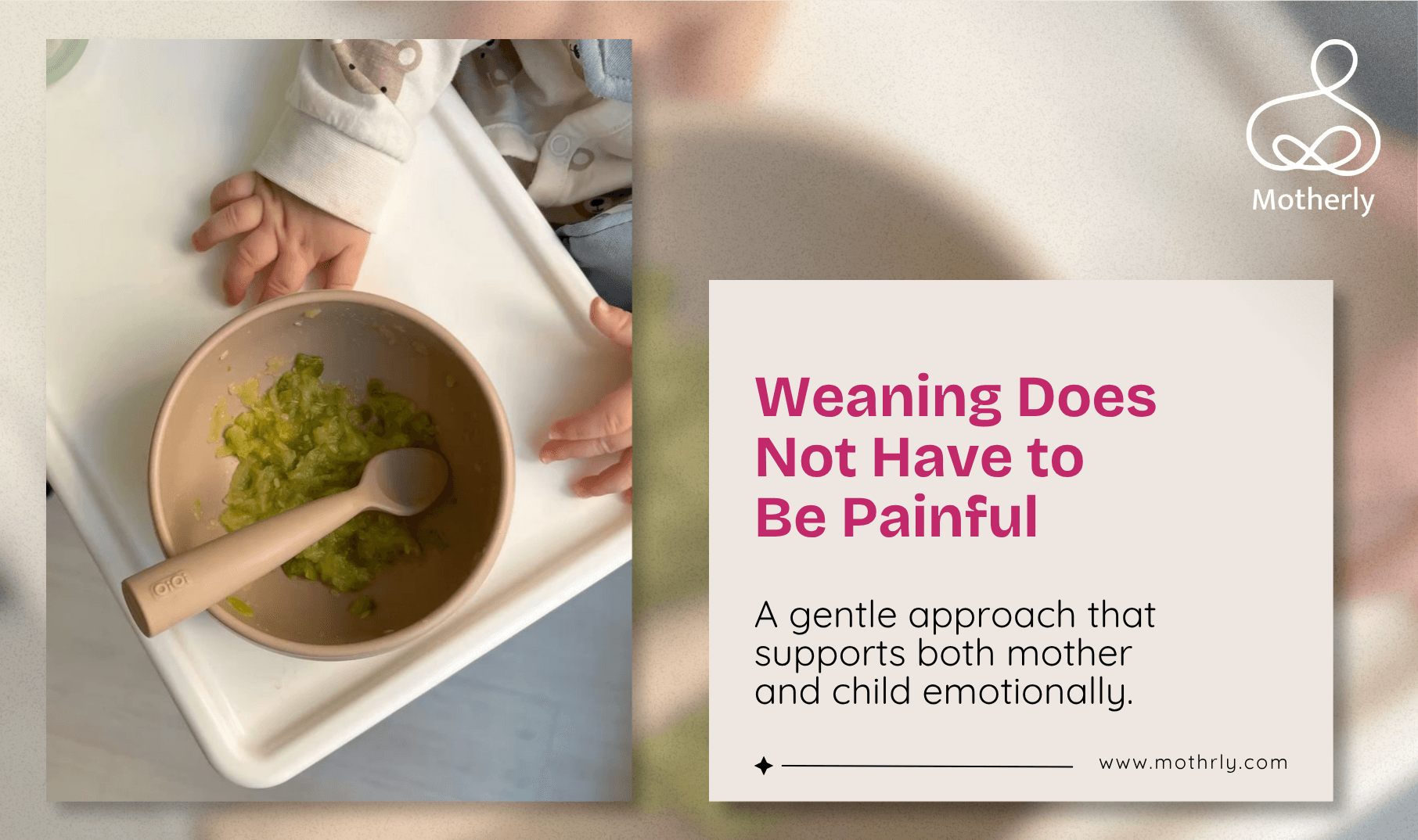
Motherly — Gentle weaning can protect emotional security for both child and mother when the transition is gradual, responsive, and developmentally respectful.
Weaning is one of the most emotionally complex transitions of early motherhood. For some mothers, it comes as a relief after months or years of the physical and logistical demands of breastfeeding. For others, it is experienced as grief: the ending of a form of intimacy that has been the most consistent and tender feature of the early relationship with the child. For the child, weaning, when handled abruptly, can be experienced as a loss and a disruption. When handled with gentleness and attention to the child's readiness, it is typically navigated without distress.
The principles of gentle, child-led weaning
The fundamental principle of child-led weaning is "don't offer, don't refuse": gradually reducing the number of nursing sessions by not initiating them while continuing to respond to the child's requests. This approach allows the child to maintain a sense of agency and security through the transition while gradually reducing the frequency and duration of feeds. Most toddlers who are ready to wean will do so naturally and without drama if their cues are respected and the transition is not rushed. Those who are not yet ready will express this clearly, and forcing weaning before readiness is associated with more distress for both child and mother.
"Weaning can be gentle when the pace follows the child and the mother is supported through the change."
Supporting the mother through weaning
The hormonal changes of weaning are significant and often underappreciated. The reduction in prolactin levels that accompanies weaning is associated with mood changes, fatigue, and for some women, a significant dip in mood that resembles a mild depressive episode. This hormonal transition usually resolves within a few weeks as the body adjusts. Supporting the weaning mother nutritionally, with adequate calories, omega-3 fatty acids, B vitamins, and Vitamin D, and emotionally, with acknowledgment of the complexity of the transition, significantly improves the weaning experience.
Guidance for Gentle Weaning
Motherly supports the weaning journey with gentle guidance, nutritional support, and community from mothers who understand. Every ending is also a beginning.
Keep Reading
DOULA CARE
The Complete Guide to Choosing the Right Doula for Your Birthing Journey
Choosing a doula? Learn what a doula does, how to interview candidates, check training and costs, and spot red flags be…
September 30, 2026
BREASTFEEDING
Overcoming Early Breastfeeding Challenges: Expert Advice from Lactation Consultants
Struggling with early breastfeeding? Lactation consultants explain how to fix latch problems, sore nipples, low milk wo…
September 30, 2026