Lactation
Best Drinks to Boost Breast Milk Production at Home
motherly·April 29, 2026
While a urine pregnancy test kit remains the most reliable way to confirm pregnancy at home, there are early body signals worth paying attention to. This article walks you through what your body might be telling you — and when it's time to see a doctor for proper confirmation.
Why You Might Not Have a Kit Handy
Pregnancy test kits are widely available across India — but there are real situations where women don't have one immediately at hand: late-night emergencies, rural areas with limited pharmacies, privacy concerns, or simply not wanting to panic before they're sure. Whatever the reason, knowing your body's early signals helps you make an informed decision.
Early Signs Your Body May Be Pregnant
These are not substitutes for a test, but they are real signals worth noting:
1
Missed or Delayed Period
This is the most classic and reliable sign. If your cycle is generally regular and you've missed your period by more than a week, pregnancy is a strong possibility. However, stress, weight changes, thyroid issues, or PCOS can also cause delays — so don't panic either way.
2
Breast Tenderness and Swelling
Rising progesterone and oestrogen levels cause the breasts to feel fuller, heavier, or unusually tender — even more so than typical PMS. The areola (the area around the nipple) may also darken slightly in early pregnancy.
3
Nausea, Especially in the Morning
'Morning sickness' affects up to 80% of pregnant women, though it can strike at any hour. If you're feeling queasy without an obvious reason — particularly after eating or waking up — it may be an early pregnancy signal.
4
Unusual Fatigue
Feeling exhausted even after a full night's sleep? Rising progesterone in early pregnancy causes significant tiredness. Indian mothers often mistake this for seasonal illness or anaemia — but if it coincides with other signs, pay attention.
5
Frequent Urination
Even before you've missed a period, the kidneys are working harder due to hormonal changes. If you find yourself rushing to the bathroom more often, especially at night, it could be an early sign.
6
Mild Cramping or Implantation Bleeding
Light spotting or pinkish-brown discharge around 6 to 12 days after conception is called implantation bleeding — when the fertilised egg attaches to the uterine lining. It's lighter and shorter than a regular period. Many women mistake it for an early period.
7
Food Aversions or Sudden Cravings
A sudden inability to tolerate your favourite food or an unexpected craving for something sour (like tamarind or raw mango) is often noted by Indian mothers in early pregnancy — particularly around week 5 to 6.
8
Heightened Sense of Smell
Pregnancy hormones can make familiar scents — chai, cooking oil, even your partner's soap — suddenly overwhelming. If smells that never bothered you are now making you queasy, that's worth noting.
9
Slight Rise in Basal Body Temperature
If you track your BBT (basal body temperature), you may notice it remains elevated even after ovulation — a signal that implantation may have occurred. This requires a BBT thermometer and consistent tracking to be meaningful.
10
Mood Swings and Emotional Sensitivity
Pregnancy hormones affect emotional regulation. If you're feeling unusually tearful, irritable, or emotionally sensitive without a clear cause, it's worth factoring into the picture.
Traditional Indian Methods — What They Can and Can't Tell You
Several dadi-nani remedies have been passed down for generations to 'test' pregnancy at home. Here's an honest assessment:
| ❌ Myth | ✅ Fact |
|---|---|
| Mixing urine with salt or sugar can confirm pregnancy | There is no scientific evidence supporting this. These tests are unreliable and should not be used for decisions. |
| The toothpaste urine test is accurate | No scientific basis. Results are inconsistent and often misleading. |
| Feeling warm or flushed means you're pregnant | Body temperature changes are real in early pregnancy, but too subtle to confirm without proper measurement. |
| Nausea only happens in the morning if you're pregnant | Pregnancy nausea can strike at any time of day or night. |
When Should You Do a Proper Pregnancy Test?
- Take a urine pregnancy test from a kit on the first day of your missed period or later for the most accurate result
- Testing too early (before a missed period) can result in a false negative
- First morning urine gives the most concentrated hCG levels — use it for testing
- If the result is negative but symptoms persist, wait 3 to 5 days and test again
- Two positive lines — even if faint — typically indicate pregnancy
When to See a Doctor Immediately
Please visit a gynaecologist or go to your nearest clinic if you experience:
Severe abdominal pain alongside spotting — could indicate ectopic pregnancy Heavy bleeding that resembles a period along with positive test symptoms Persistent vomiting preventing you from eating or drinking Dizziness, fainting, or severe weaknessWhen to Get Expert Support — Motherly Is Here
Once you suspect or confirm a pregnancy, connecting with the right professional early makes all the difference. Motherly gives you instant access to verified gynaecologists and maternal care specialists who understand the Indian mother's journey.
Gynaecologists
Early pregnancy confirmation, prenatal screening, and personalised care from the first weeks onward.
Doulas
Emotional support and guidance through the uncertainty and excitement of early pregnancy.
Lactation Consultants
Plan ahead for breastfeeding from the first trimester — early preparation makes all the difference.
Postnatal Nannies
Trusted in-home newborn care professionals — book early for the support you deserve.
Need Expert Guidance in Early Pregnancy? Motherly Is Ready
Certified gynaecologists, doulas, lactation consultants, and postnatal nannies — all in one app, available across Chennai.
Free to download · Android & iOS · Book in under 2 minutes · mothrly.comFAQs — Confirming Pregnancy at Home Without a Kit
Can I confirm pregnancy by urine colour?
No. Urine colour is not a reliable indicator of pregnancy. It is affected by hydration levels, diet, and medications. Only a pregnancy test kit or blood test can confirm pregnancy.
How soon after sex can I test for pregnancy?
A urine pregnancy test is most accurate from the first day of your missed period — roughly 14 days after ovulation. Testing earlier may give a false negative because hCG levels haven't yet risen high enough to detect.
Can stress delay my period and mimic pregnancy?
Yes. Stress is one of the most common causes of delayed or missed periods in Indian women. Symptoms like fatigue, mood changes, and bloating can also overlap with pregnancy — which is why a test kit is essential for clarity. Do not rely on symptoms alone.
What if I can't find a pregnancy test in my area?
Visit a government PHC (Primary Health Centre), ASHA worker, or any government hospital — pregnancy tests are often available free of cost through the public healthcare system. You can also consult a gynaecologist through the Motherly app for guidance on next steps.
Are the salt or sugar urine tests for pregnancy accurate?
No. There is no scientific evidence that mixing urine with salt, sugar, toothpaste, or any other household substance can confirm pregnancy. These are cultural traditions with no clinical validity. Please do not use them to make decisions about your pregnancy.
How does Motherly support mothers in early pregnancy?
Motherly connects you with verified gynaecologists for early pregnancy confirmation, doulas for emotional support, and lactation consultants to help you plan ahead for breastfeeding. All professionals are available through the Motherly app — free to download on Android and iOS — or at mothrly.com.
Useful Resources & Guides
Keep Reading
DOULA CARE
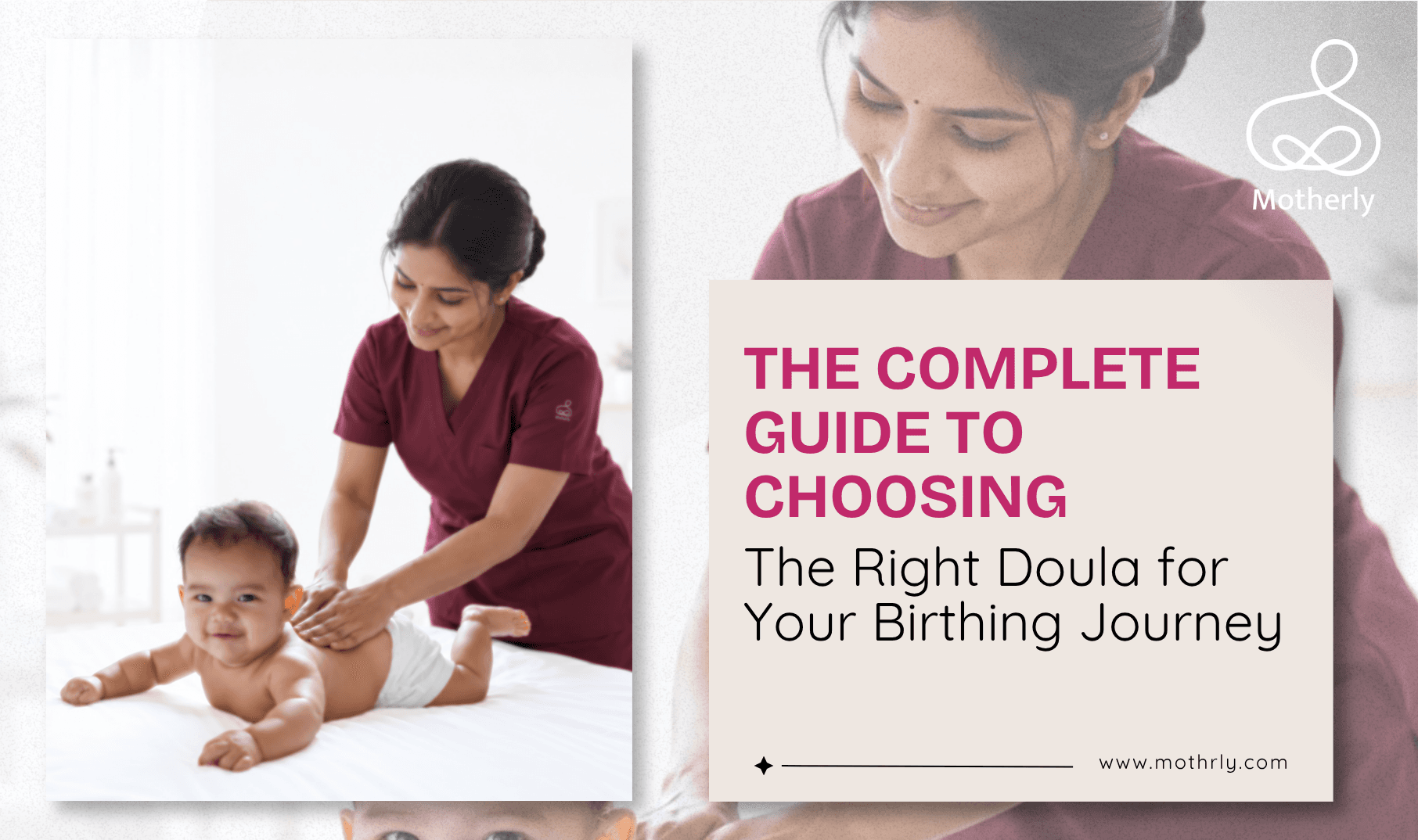
The Complete Guide to Choosing the Right Doula for Your Birthing Journey
Choosing a doula? Learn what a doula does, how to interview candidates, check training and costs, and spot red flags be…
September 30, 2026
BREASTFEEDING
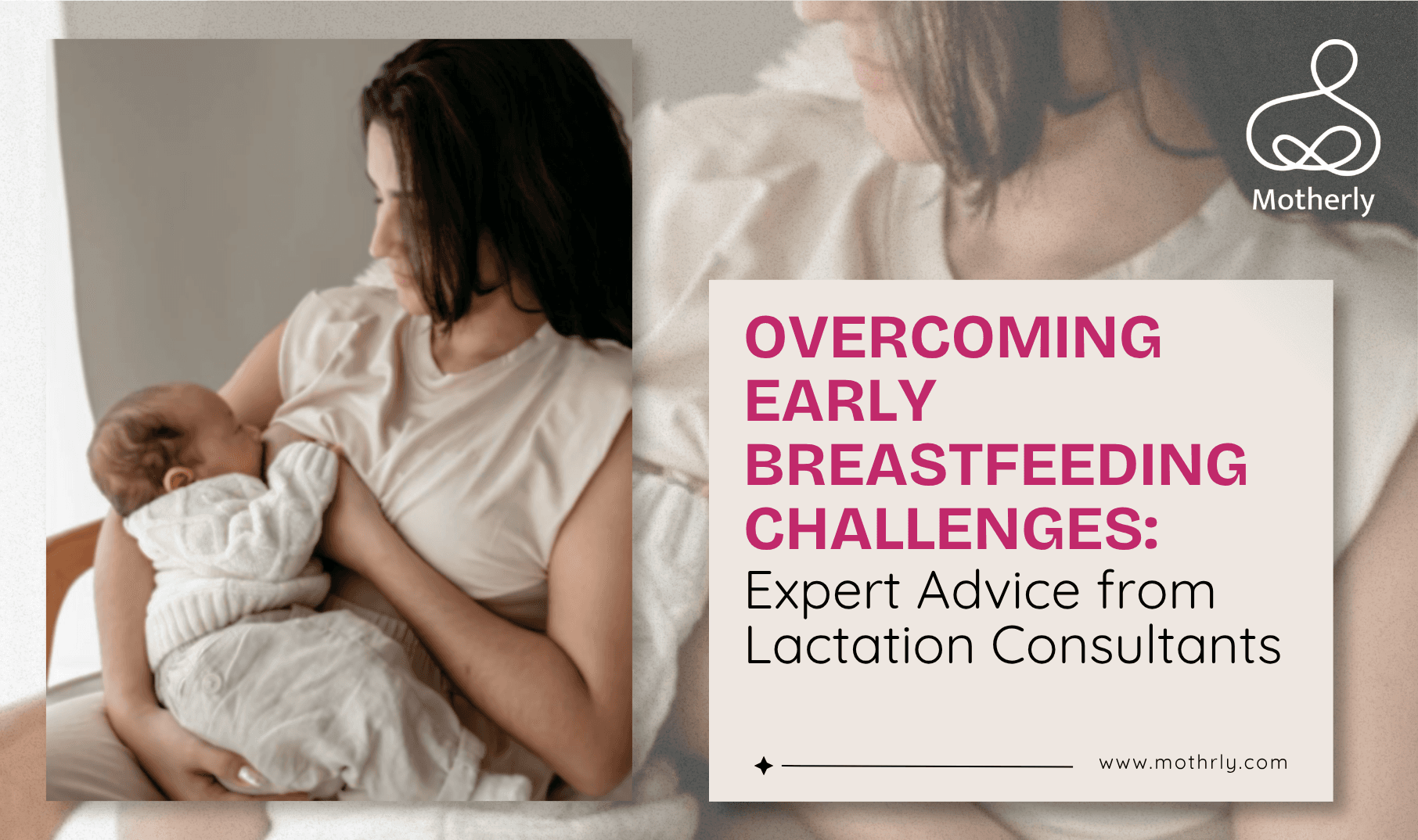
Overcoming Early Breastfeeding Challenges: Expert Advice from Lactation Consultants
Struggling with early breastfeeding? Lactation consultants explain how to fix latch problems, sore nipples, low milk wo…
September 30, 2026
Contact
© 2026 Motherly Home Care. All rights reserved. Your health, our heartbeat.
Made with favorite love for mothers everywhere