Lactation
When Do You Lose the Most Weight Breastfeeding?
motherly·April 29, 2026
How Does Breastfeeding Burn Calories?
Producing breast milk is metabolically demanding. Your body burns an additional 300 to 500 calories per day to produce milk for your baby — roughly equivalent to a 45-minute jog or a moderate gym session, every single day.
- From your daily food intake — the primary source of energy your body uses for milk production
- From your stored fat reserves — when food intake does not fully cover the energy needed, the body draws on stored fat, leading to gradual, natural weight loss
When Do You Lose the Most Weight While Breastfeeding?
Weight loss during breastfeeding is not uniform — it tends to happen in distinct phases. Understanding these phases helps set realistic expectations.
Months 1–2 Most of the immediate postpartum weight loss — from fluid, blood volume, and uterine shrinkage — happens in this period. Actual fat loss tends to be slower as the body conserves some reserves for milk production. Months 3–6 This is often when mothers notice the most significant breastfeeding-related weight loss. Milk supply is well established, hormonal recovery is underway, and fat stores begin to mobilise more readily — especially when eating well and sleeping adequately. After 6 Months As solids are introduced and breastfeeding frequency decreases, the calorie-burning advantage of breastfeeding reduces. Some mothers find weight loss slows or plateaus at this point. This is normal and expected.Why Some Mothers Lose Weight Faster Than Others
Weight loss during breastfeeding is influenced by several individual factors — not just diet and exercise:
Prolactin Levels
High prolactin — the milk-producing hormone — can promote fat retention in some women, particularly in the early months. This is a protective mechanism to ensure adequate milk supply.
Sleep Deprivation
Poor sleep disrupts cortisol and ghrelin levels, increasing appetite and making fat loss harder. This is one of the most underappreciated factors in postpartum weight management.
Diet Quality
Mothers who eat whole, nutritious foods tend to lose weight more steadily than those who rely on processed foods, even at similar calorie levels.
Physical Activity
Light exercise — walking, postnatal yoga, gentle stretching — can accelerate weight loss without compromising milk supply. Intense exercise too soon postpartum is not recommended.
Pre-Pregnancy Weight & Genetics
Mothers with more stored fat may lose weight more easily in the early months. Individual metabolic rates and genetic factors play a significant role that no diet can fully override.
Healthy Weight Loss Tips While Breastfeeding
Breastfeeding is not the time for crash diets. Your body needs adequate nutrition to produce quality milk and recover from childbirth. Here are evidence-based tips for safe, gradual weight loss:
Eat at a gentle calorie deficit — around 300–500 calories less than your total daily needs, not a dramatic restriction Prioritise protein at every meal — dal, eggs, paneer, chicken, and fish help preserve muscle mass while losing fat Focus on whole grains, fruits, and vegetables — for sustained energy, fibre, and nutrient density Stay well hydrated — dehydration is frequently mistaken for hunger, leading to unnecessary snacking Never skip meals — this can trigger overeating later in the day and may affect your milk supply Introduce gentle exercise after medical clearance — usually 6–8 weeks postpartum for vaginal births, longer after C-sectionsWant a Personalised Postpartum Nutrition Plan?
Motherly’s lactation consultants and nutrition experts can help you lose weight safely without compromising your milk supply.
What to Avoid When Trying to Lose Weight While Breastfeeding
These approaches may seem tempting but can harm both your milk supply and your postpartum recovery:
Crash diets or very low calorie diets — eating below 1,500–1,800 kcal/day while breastfeeding can reduce milk supply and deprive you of essential nutrients Skipping meals, especially breakfast — leads to blood sugar crashes, overeating later, and can affect your energy for feeding and caring for your baby Eliminating entire food groups — cutting carbs or fats reduces nutrient diversity in your breast milk and depletes your own energy reserves Over-exercising without adequate nutrition — intense exercise without proper fuelling can suppress milk supply and delay postpartum recovery Weight loss supplements or appetite suppressants — most are unsafe during breastfeeding and have not been tested for effects on breast milk or infant healthExpert Support for Postpartum Recovery
For personalised postpartum care, fitness guidance, and nutrition support, connect with Motherly’s team of experts. You do not have to navigate postpartum weight loss alone — and you should not have to compromise your milk supply to do it.
Lactation Consultants
Personalised nutrition plans that support milk supply while enabling safe, gradual postpartum weight loss.
Doulas
Emotional and physical postpartum support to help you recover well and build healthy new-mother habits.
Postnatal Nannies
Trusted in-home newborn care so you have the time to rest, eat well, and gradually reintroduce activity.
Gynaecologists
Postnatal health assessments, hormonal support, and clearance for postpartum exercise and activity.
Postpartum Recovery Support — Motherly Is Here
Certified lactation consultants, doulas, postnatal nannies, and gynaecologists — all in one app, available across Chennai.
Free to download · Android & iOS · Book in under 2 minutes · mothrly.comFrequently Asked Questions
When do you lose the most weight while breastfeeding?
Many mothers experience the most noticeable breastfeeding-related weight loss between months 3 and 6, once milk supply is established and hormones begin to stabilise. However, this varies greatly between individuals and depends on diet, sleep, activity, and genetics.
How many calories does breastfeeding burn per day?
Breastfeeding burns approximately 300–500 additional calories per day on average. This depends on how frequently and how exclusively you are breastfeeding — exclusive breastfeeding burns more than partial breastfeeding.
Why am I not losing weight despite breastfeeding?
Prolactin (the milk hormone), poor sleep, stress, and eating more to compensate for hunger can all slow weight loss during breastfeeding. Some women naturally retain fat reserves until they wean — this is a normal, protective physiological response, not a failure.
Is it safe to diet while breastfeeding?
Very restrictive dieting is not recommended while breastfeeding. A gentle calorie reduction of around 300–500 kcal per day below maintenance, combined with nutritious eating and light activity, is the safest and most effective approach for gradual postpartum weight loss.
How long does it take to lose pregnancy weight?
Most mothers return to their pre-pregnancy weight within 6–12 months. This timeline varies based on how much weight was gained during pregnancy, diet quality, activity levels, breastfeeding duration, and individual genetics. Be patient — your body grew a human being.
Useful Resources & Guides
Keep Reading
DOULA CARE
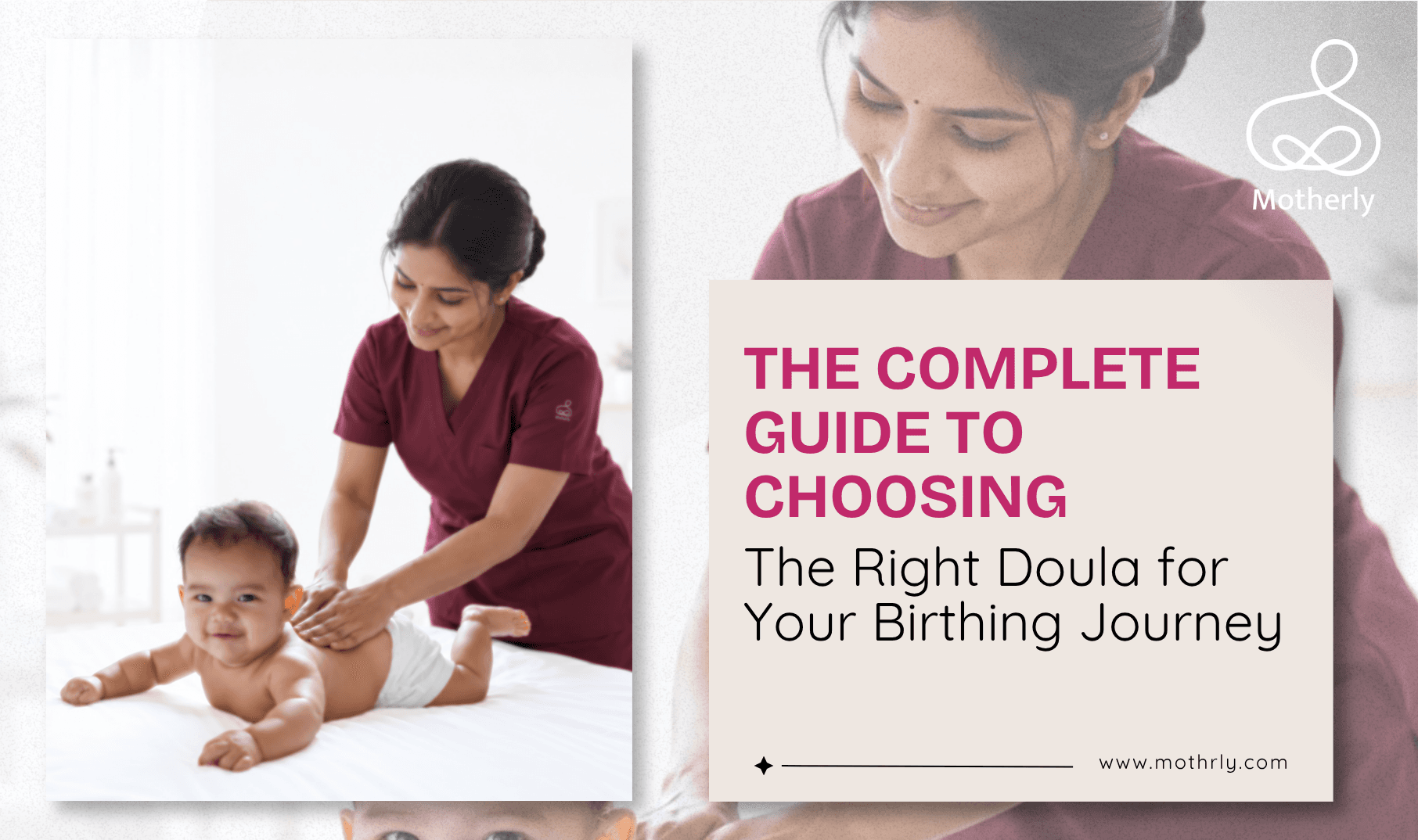
The Complete Guide to Choosing the Right Doula for Your Birthing Journey
Choosing a doula? Learn what a doula does, how to interview candidates, check training and costs, and spot red flags be…
September 30, 2026
BREASTFEEDING
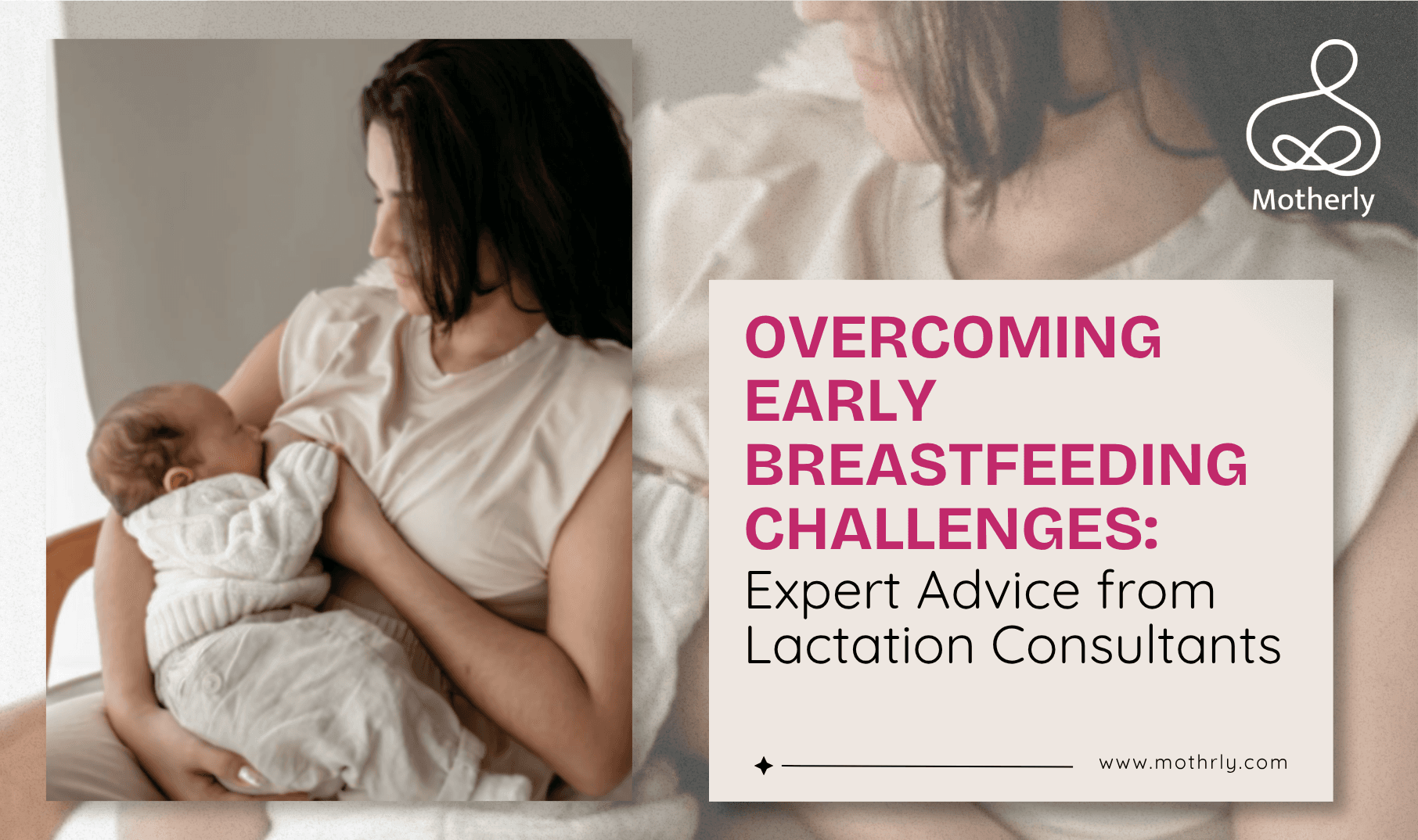
Overcoming Early Breastfeeding Challenges: Expert Advice from Lactation Consultants
Struggling with early breastfeeding? Lactation consultants explain how to fix latch problems, sore nipples, low milk wo…
September 30, 2026
Contact
© 2026 Motherly Home Care. All rights reserved. Your health, our heartbeat.
Made with favorite love for mothers everywhere