Mother's Health
She Is 6 Months Pregnant and Running a Team Meeting. The Truth About Working Through Pregnancy Nobody Talks About Honestly.
motherly·May 30, 2026
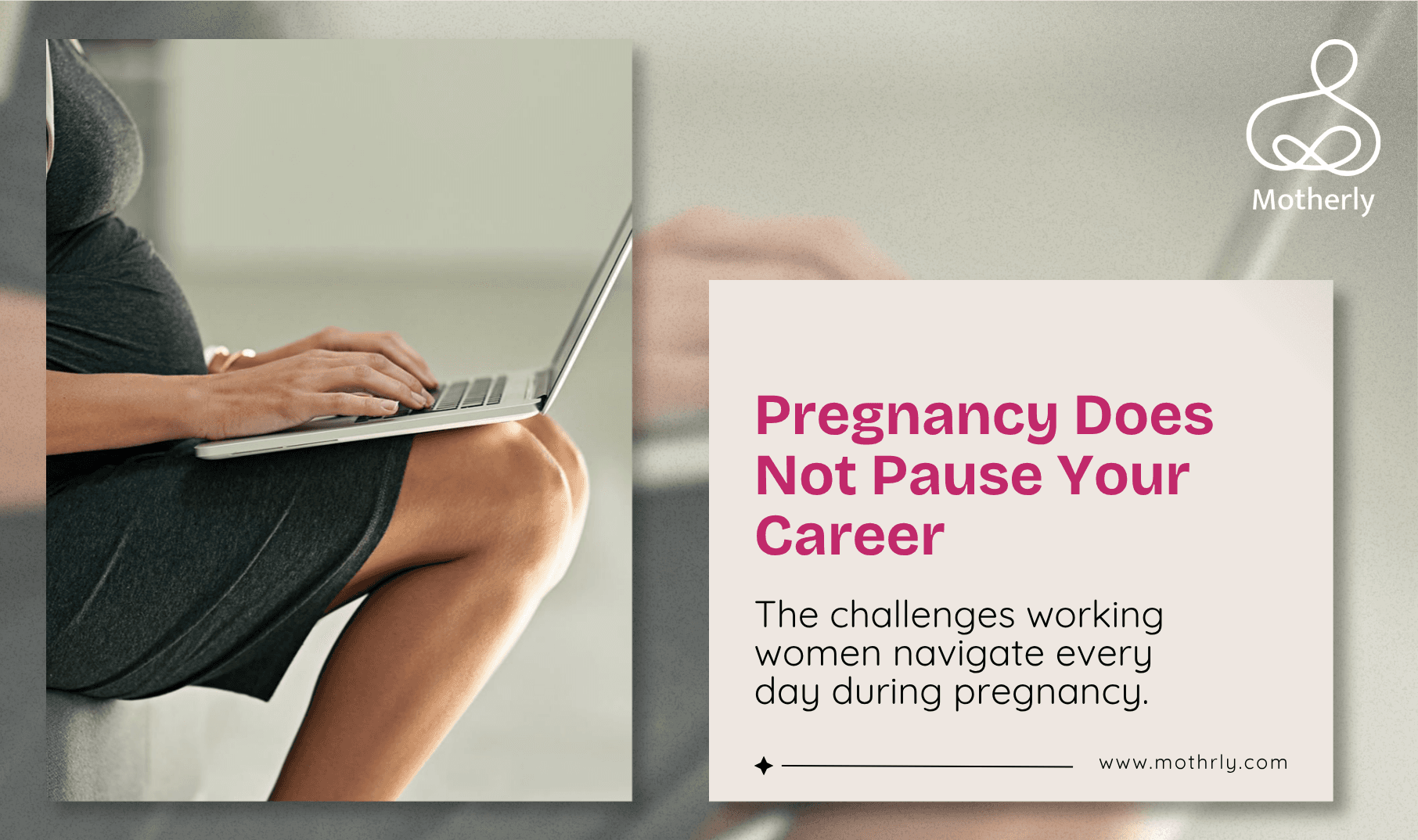
Motherly — Millions of Indian women work full-time through pregnancy. Here is the honest guide to managing energy, rights, workplace conversations, and knowing when to slow down.
In India's urban workforce, working through pregnancy is not unusual — it is the expectation. Millions of women continue in demanding professional roles through all three trimesters, managing presentations, deadlines, client calls, and long commutes while simultaneously navigating first-trimester nausea, growing physical discomfort, monitoring appointments, and the unending cognitive load of preparing for a child. Most do this without complaint, without accommodation, and without acknowledging to themselves or their employers how hard it is. The cultural pressure to be unfazeable — to demonstrate that pregnancy is not affecting performance — is real and considerable. And it often comes at a cost that is invisible until after it has been paid.
“The cultural pressure to be unfazeable — to demonstrate that pregnancy is not affecting performance — is real and considerable. And it often comes at a cost that is invisible until after it has been paid.”
The physical reality of working through pregnancy
Physically, the demands of prolonged sitting, extended commuting, prolonged standing, heavy lifting, exposure to certain chemicals or environmental conditions, and high sustained psychological stress carry documented risks in pregnancy. High psychological stress in pregnancy is associated with increased risk of preterm birth and foetal growth restriction through the cortisol pathway. Prolonged standing is associated with preterm birth in some studies. Heavy lifting is associated with musculoskeletal injury and should be modified. The Maternity Benefit Act 2017 provides the right to light duty modification during pregnancy, prohibition from hazardous work, and protection from dismissal. Many pregnant women do not know these rights exist — and knowing them does not require you to exercise them, but the knowledge changes the conversation you can have with your employer.
The cognitive and emotional toll — the part nobody names
The 'pregnancy brain' that many pregnant women experience — difficulty concentrating, increased distractibility, slower cognitive processing, emotional volatility — is neurologically real. It reflects the profound neurological restructuring that is occurring in preparation for motherhood, a process that has been documented in structural brain imaging studies. It is not weakness, incompetence, or something to be managed through greater effort. Strategies that help include: front-loading demanding work to the second trimester, when energy typically recovers after the first-trimester fatigue; communicating proactively with your manager about workload; accepting that optimal performance during pregnancy may look different from your usual standard; and resisting the pressure to perform as if nothing is happening.
The maternity leave conversation — when and how to have it
The timing of disclosing pregnancy to an employer is a personal decision influenced by the nature of the work, the relationship with the manager, the job security situation, and the progression of the pregnancy. Most women disclose after the twelve-week scan, when the risk of miscarriage drops substantially. The conversation about maternity leave — the plan, the handover, the return timeline — is best had proactively rather than reactively, at a time of your choosing rather than when the pregnancy becomes physically visible. Know your entitlements under the Maternity Benefit Act before the conversation: 26 weeks fully paid for the first two children, with protections against dismissal and the right to nursing breaks upon return.
Support for Working Mothers
Motherly supports working mothers at every stage of their journey. We are here to support your career and maternal wellness with evidence-based solutions.
Keep Reading

DOULA CARE
The Complete Guide to Choosing the Right Doula for Your Birthing Journey
Choosing a doula? Learn what a doula does, how to interview candidates, check training and costs, and spot red flags be…
September 30, 2026

BREASTFEEDING
Overcoming Early Breastfeeding Challenges: Expert Advice from Lactation Consultants
Struggling with early breastfeeding? Lactation consultants explain how to fix latch problems, sore nipples, low milk wo…
September 30, 2026