Mother
Yoga Is Not a Fitness Class. For Mothers, It Is a System of Physical and Mental Medicine That Has No Equivalent in the Modern World.
motherly·June 2, 2026
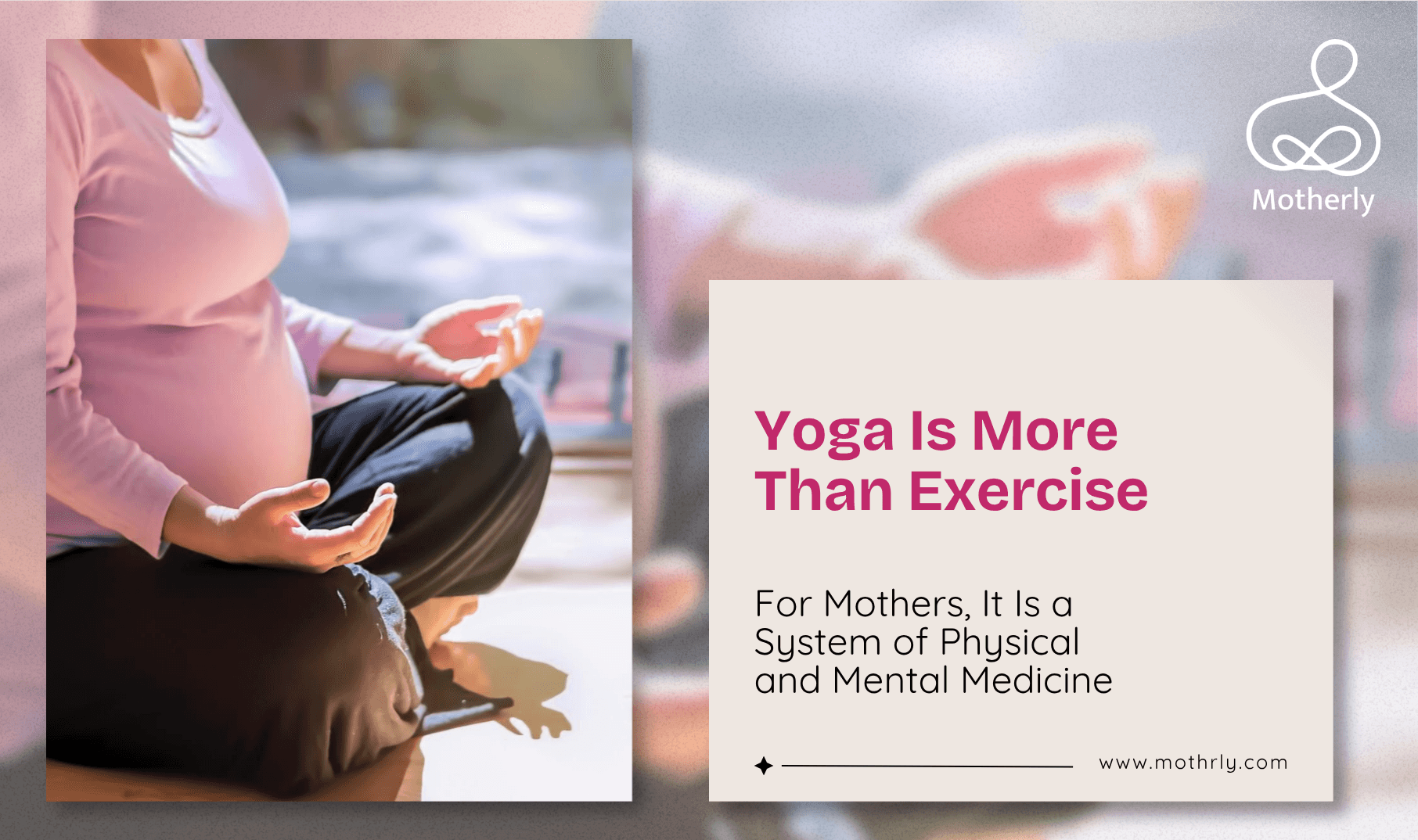
Motherly — For mothers — in pregnancy, in the postpartum period, and across the years of raising children — the original purpose of yoga is more relevant than the fitness version: a systematic practice for the regulation of the nervous system, the development of body awareness, the management of physical and psychological stress, and the cultivation of the quality of attention that parenting demands.
The global yoga industry has, in many respects, disconnected yoga from its actual purpose and replicated it as a form of exercise with mindfulness branding. For mothers, the original purpose of yoga is more relevant than the fitness version: a systematic practice for the regulation of the nervous system, the development of body awareness, the management of physical and psychological stress, and the cultivation of the quality of attention that parenting demands.
What prenatal yoga actually does to the pregnant body
The evidence on prenatal yoga is substantially stronger than the evidence for most interventions routinely offered to pregnant women. Studies have documented significant reductions in perceived pain during labour, reductions in anxiety and depression during pregnancy, improvements in birth outcomes including reduced preterm birth rates and lower rates of low birth weight, and improvements in maternal sleep quality.
"The breathing practices develop the capacity for focused respiratory control that is directly applicable to labour — one of the most evidence-backed benefits of prenatal yoga."
These effects are produced through multiple mechanisms: the physical practice reduces musculoskeletal pain and discomfort; the breathing practices develop the capacity for focused respiratory control that is directly applicable to labour; the relaxation practices reduce cortisol and the anxiety that complicates both pregnancy and labour; and the community aspect of group prenatal yoga reduces the social isolation that is a significant risk factor for antenatal depression.
Yoga in the postpartum period
The traditional Ayurvedic approach to the postpartum period emphasises complete rest and gradual restoration over the first six to eight weeks, which is consistent with what we know about the physiology of postpartum recovery. The appropriate yoga practice for the early postpartum period is not the vigorous physical practice of prenatal or general yoga — it is the restorative, gentle, breath-centred practice that supports nervous system recovery, pelvic floor awareness, and gradual reconnection with the body.
This is yoga as rest rather than exertion, as attention rather than achievement, and it is precisely what the postpartum body and nervous system need.
Why the practice belongs in Indian maternal culture
Yoga was developed in India. Its applications to maternal health were not imported from Western fitness culture — they were embedded in the Indian knowledge system from which yoga emerged and were documented in the Ayurvedic texts on maternal care. The contemporary revival of yoga as a specifically maternal practice — personalised to the stage of the reproductive journey, sensitive to the physical realities of pregnancy and postpartum recovery, integrated with breath work and meditation — is not the adoption of a foreign practice. It is the recovery of an indigenous tradition that was allowed to atrophy.
Prenatal & Postnatal Yoga, Grounded in Indian Tradition
Motherly offers prenatal and postnatal yoga guidance grounded in Indian tradition and modern evidence.
Keep Reading
DOULA CARE
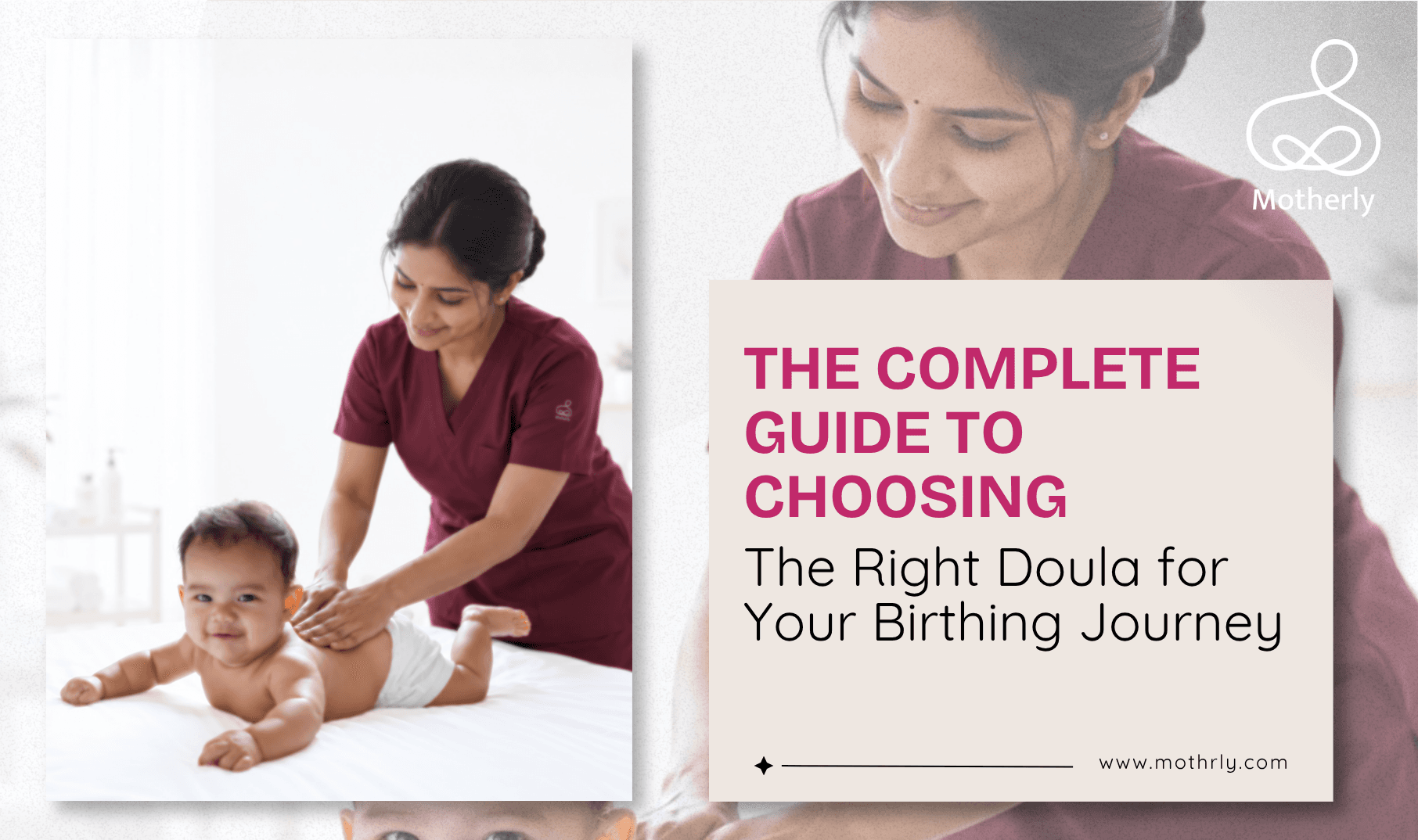
The Complete Guide to Choosing the Right Doula for Your Birthing Journey
Choosing a doula? Learn what a doula does, how to interview candidates, check training and costs, and spot red flags be…
September 30, 2026
BREASTFEEDING
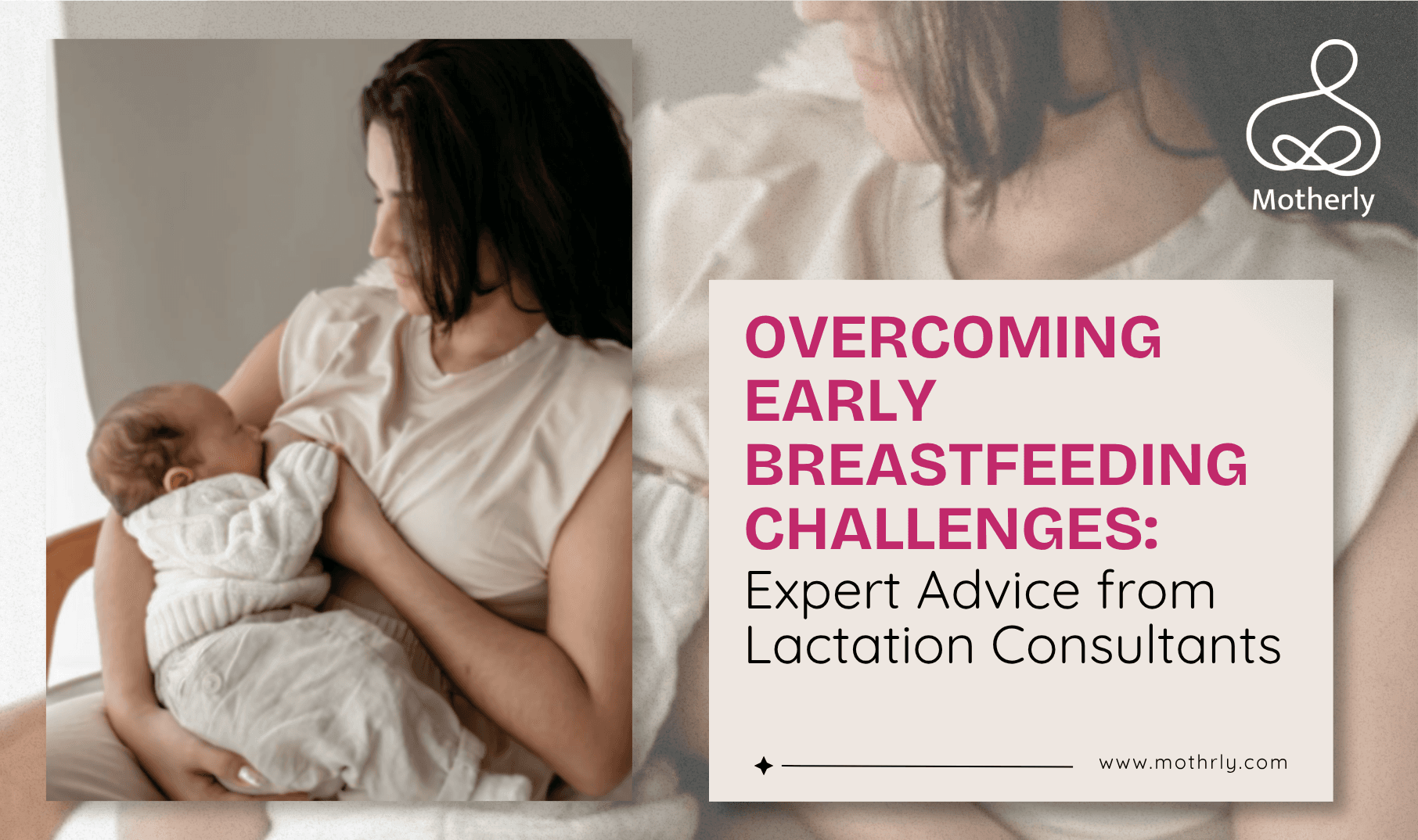
Overcoming Early Breastfeeding Challenges: Expert Advice from Lactation Consultants
Struggling with early breastfeeding? Lactation consultants explain how to fix latch problems, sore nipples, low milk wo…
September 30, 2026