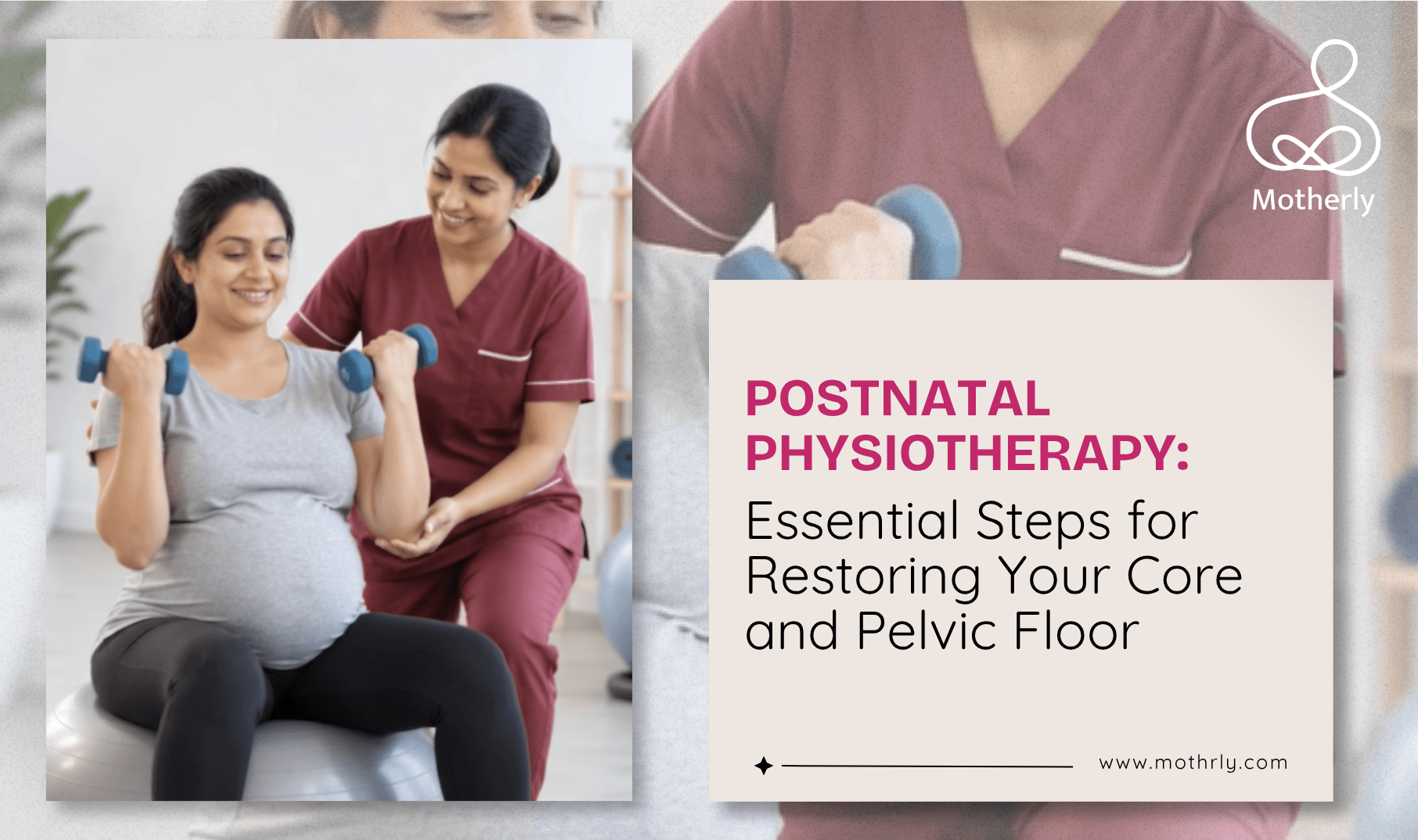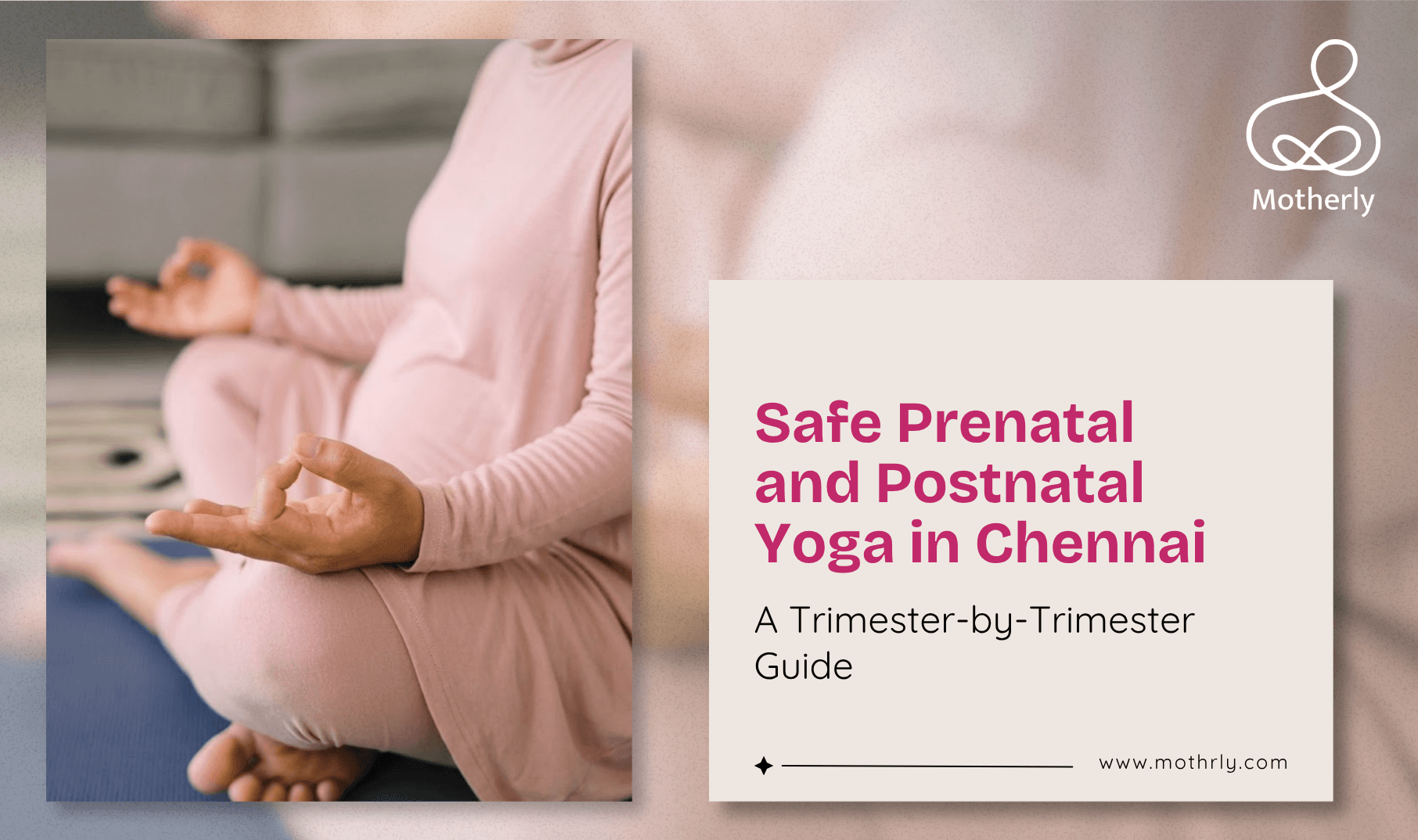
Safe Prenatal and Postnatal Yoga in Chennai: A Trimester-by-Trimester Guide
July 10, 2026 · motherly
Safe Prenatal and Postnatal Yoga in Chennai: A Trimester-by-Trimester Guide
Reviewed by Mothrly’s Clinical Team — Obstetricians, Gynaecologists, Paediatricians & Postnatal Specialists | Evidence-based content for Chennai mothers
Most information about postnatal recovery describes what should happen. This guide describes what actually happens — and what clinical and practical support each stage requires to give you the best chance of a full, timely recovery.
Prenatal yoga is a modified, pregnancy-safe practice built around breathing, gentle strength, and hip-opening poses, generally safe to start after the first trimester once a doctor confirms the pregnancy is low-risk. Postnatal yoga typically begins around six weeks after an uncomplicated vaginal delivery, or eight to ten weeks after a C-section, once a doctor confirms recovery is on track. Motherly connects Chennai mothers with instructors trained specifically in pre- and postnatal modifications, not general fitness instructors adapting on the fly. If you’re mapping recovery more broadly, our postnatal recovery timeline shows where yoga typically fits in.
Is Prenatal Yoga Safe, and When Can You Start?
For most low-risk pregnancies, gentle prenatal yoga is considered safe from the second trimester onward, once a doctor has ruled out complications. Poses to avoid throughout pregnancy include deep twists, prone (lying on the stomach) positions, hot yoga, and anything involving breath-holding or a high fall risk. If you’re managing a high-risk pregnancy — placenta previa, preeclampsia risk, or a history of preterm labour — get explicit clearance from your gynaecologist before booking a class, not just a general go-ahead. Postnatally, this same clearance is typically confirmed at your postnatal gynaecologist visit.
What Are the Real Benefits of Prenatal Yoga?
Bodies like ACOG (the American College of Obstetricians and Gynecologists) recognise moderate prenatal exercise, including yoga, as generally beneficial for uncomplicated pregnancies — the specifics of what’s appropriate for you should still come from your own doctor.
- Reduced lower back and pelvic girdle pain, common complaints from the second trimester onward
- Better sleep quality through guided relaxation and breathing practice
- Breathing techniques that carry directly into labour
- A structured, judgement-free space to connect with other expecting mothers
When Can You Start Postnatal Yoga After Delivery?
| Situation | Typical Timeline | Before You Start |
|---|---|---|
| Uncomplicated vaginal delivery | ~6 weeks | Doctor’s clearance at postnatal check-up |
| C-section delivery | ~8–10 weeks | Incision fully healed, doctor’s clearance |
| Diastasis recti present | Modified core work only | Physiotherapy assessment first |
Find an instructor trained for pregnancy and postpartum bodies, not general fitness.
Book a private, tailored yoga session at home with a certified trainer.
What Does a Postnatal Yoga Session Actually Focus On?
- Reconnecting with the pelvic floor through gentle, guided engagement
- Diastasis-recti-safe core work — avoiding crunches and full sit-ups too early
- Posture correction for the shoulder and neck strain that comes from hours of breastfeeding and holding your baby for paediatrician visits
- Gentle mobility work and stress reduction during a genuinely exhausting stretch — easier to commit to consistently if you have a nanny or baby care specialist covering the baby during class
Yoga or Physiotherapy First? How to Decide
If you have a diagnosed issue — visible diastasis recti, symptoms of pelvic organ prolapse, or ongoing pain — see a postnatal physiotherapist for an assessment before starting group yoga. Yoga is well suited to general recovery and wellbeing; physiotherapy is the right first stop for anything that needs a diagnosis. Our physiotherapy guide walks through exactly what that assessment looks like, and our comparison of postnatal physiotherapy vs. rest breaks down when each one actually helps.
Ready to move again, safely?
Schedule a customized prenatal or postnatal yoga session at your Chennai home.
Frequently Asked Questions
Can I do yoga in the first trimester?
Gentle breathing and relaxation work is usually fine, but many instructors and doctors prefer to wait until the second trimester for movement-based practice, given the naturally higher miscarriage risk in the first trimester. Always confirm with your doctor first.
Does postnatal yoga help with diastasis recti?
It can help once a physiotherapist has assessed the severity and cleared you for core work — starting yoga-based core exercises before that assessment can sometimes make the separation worse.
Do I need a doctor’s clearance before starting either type of yoga?
Yes, always — for both prenatal and postnatal yoga, a quick clearance from your gynaecologist or physiotherapist is a non-negotiable first step, not a formality.
Related Reading on the Motherly Blog
- Postnatal Physiotherapy in Chennai: What It Involves
- Postnatal Physiotherapy vs. Rest: What Actually Helps Recovery
- Postnatal Recovery Timeline: What to Expect Week by Week in Chennai
You Deserve Proper Care Too — Not Just Your Baby
Book online or download the app to find your verified yoga instructor.