Postpartum Care
From Hospital to Home: A Holistic Approach to Mother and Newborn Care
Motherly Team·September 30, 2026

The moment you leave the hospital with your newborn is a mix of joy and quiet panic. For days, nurses and doctors were a call button away. Now it is just you, your partner, and a very small person who depends on you for everything.
This transition is one of the most important phases of the parenting journey, and it deserves as much planning as the birth itself. A thoughtful approach looks after both mother and baby: body, mind, and household. Here is how to make the move from hospital to home smoother, safer, and more nurturing.
Key Takeaways:
- The first six weeks matter for both the baby's adjustment and the mother's recovery.
- Prepare before discharge with feeding help, screening checks, and a safe sleep space.
- Mothers need rest, nutrition, wound care, and emotional support as much as babies do.
- Know the warning signs for both the newborn and mother, and act quickly.
- Build a support team and be specific when asking for help.
Heading home soon?
Get hands-on help for both mother and baby in the first weeks.
Why the First Six Weeks Matter
The weeks after birth, often called the fourth trimester, are a period of intense change. Your baby is adjusting to life outside the womb, learning to feed, regulate temperature, and settle into sleep rhythms. You are recovering from birth, adjusting hormonally, and learning your baby's cues.
Care during this period shapes long-term health. Being proactive about rest, nutrition, emotional support, and medical follow-up gives you both a stronger start.
Before You Leave the Hospital
A few steps before discharge make the first days at home far easier.
- Ask questions. Clarify feeding, jaundice, cord care, and warning signs. Write the answers down.
- Confirm newborn screening. Check that hearing, heart, and blood tests were completed, and note any follow-ups.
- Review your discharge papers. Understand your medications, wound care instructions, and follow-up dates.
- Get feeding help. Ask a lactation consultant or nurse to watch a feed and check the latch.
- Install the car seat correctly. Have it checked if possible, and never carry your baby in your arms in a moving vehicle.
- Book the first paediatric visit. It is usually within a few days of discharge.
Preparing Your Home
You do not need much, but a few things make life easier:
- A safe sleep space: a firm, flat crib or bassinet with no pillows, bumpers, or loose blankets
- A clean, calm corner for feeding, with water and snacks within reach
- Diapers, wipes, cotton wool, and baby-safe skincare
- A thermometer, nail clippers, and a basic first-aid kit
- Ready-to-heat meals or a plan for cooked food
- Emergency numbers for your paediatrician, obstetrician, and hospital
Keep visitors limited at first. Newborns have immature immune systems, and you need rest. Ask everyone to wash their hands, and feel free to say no to anyone who is unwell.
Caring for Your Newborn
Feeding
Newborns feed 8 to 12 times a day. Whether you breastfeed, formula feed, or combine both, respond to signs of hunger such as rooting, lip smacking, and hand-to-mouth movements rather than waiting for crying. Count wet and dirty diapers to check intake. By day five, expect six or more wet diapers a day.
Sleep
Newborns sleep 14 to 17 hours a day in short stretches. Always place your baby on their back on a firm surface, in your room but not in your bed. Safe sleep habits reduce the risk of sudden infant death syndrome.
Cord and Skin Care
Keep the umbilical stump clean and dry. It usually falls off within one to three weeks. Sponge baths are fine until then. Mild skin conditions such as baby acne, dry peeling, and milia are common and usually resolve on their own.
Bonding
Skin-to-skin contact, gentle talking, singing, and eye contact all support attachment and help regulate your baby's temperature, heart rate, and stress. It develops through everyday moments.
Know the Warning Signs
Contact your doctor promptly if your baby has:
- A fever of 38°C (100.4°F) or higher
- Trouble breathing or a bluish colour
- Yellowing that spreads or deepens
- Very poor feeding or extreme sleepiness
- Persistent vomiting, or very few wet diapers
- Redness, swelling, or discharge around the cord
Caring for the Mother
Mothers are often so focused on the baby that their own recovery is forgotten. It should not be.
Physical Recovery
- Rest whenever you can. Sleep when your baby sleeps, and let housework wait.
- Perineal or caesarean wound care. Follow your discharge instructions, keep the area clean and dry, and take pain relief as advised.
- Bleeding. Postpartum bleeding (lochia) can last several weeks and gradually lightens. Soaking a pad in an hour or passing large clots needs urgent attention.
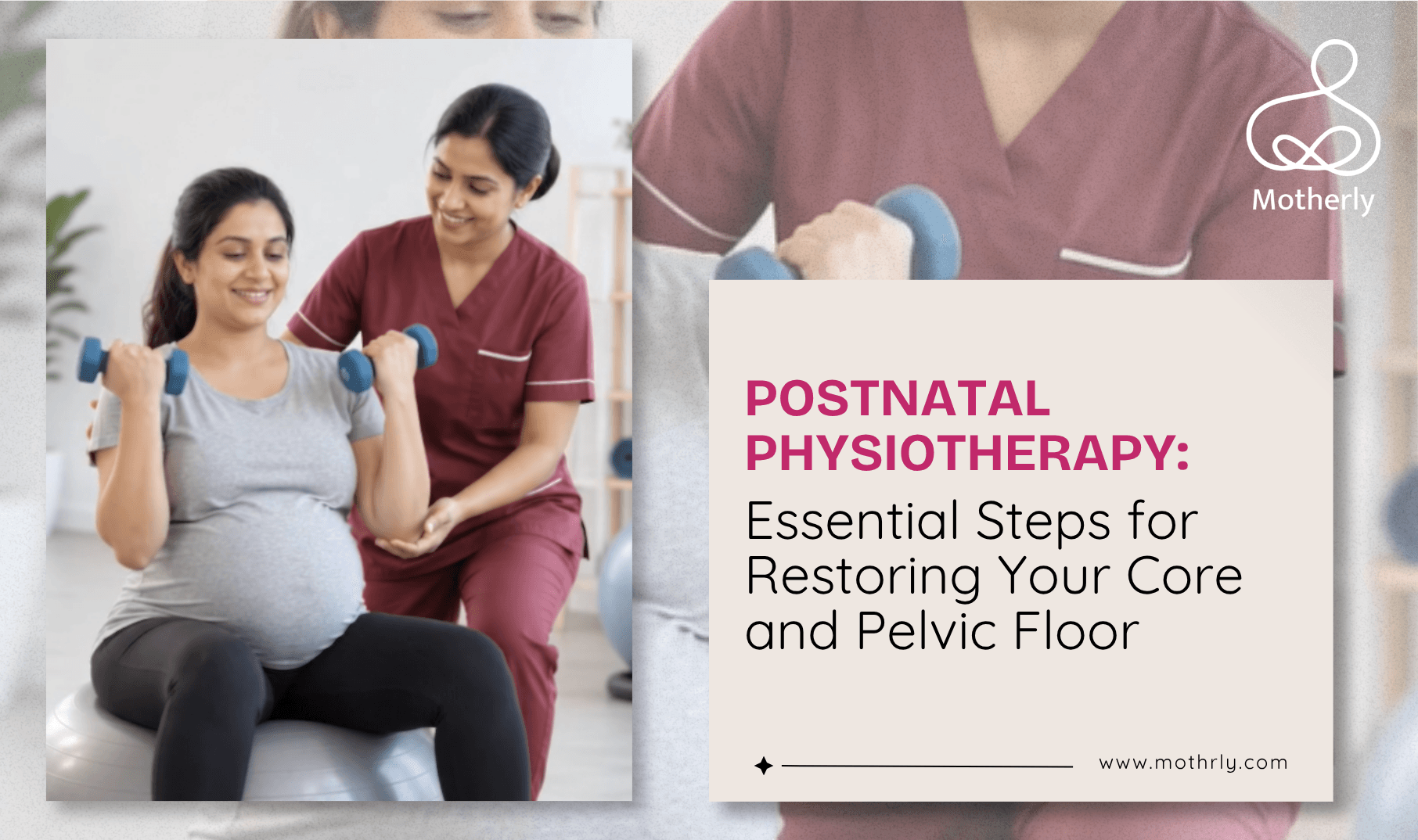
- Pelvic floor and core. Gentle breathing and pelvic floor exercises can begin early. A postnatal physiotherapy check-up around six weeks is worthwhile.
- Breast care. Soreness and engorgement are common. A good latch and frequent feeding help.
Nutrition and Hydration
Eat regular, balanced meals with protein, whole grains, fruits, vegetables, and healthy fats. Keep water nearby, especially while breastfeeding. Traditional postpartum foods, when prepared well, can be nourishing and comforting, but check with your doctor if you have any medical conditions.
Emotional Wellbeing
Mood swings and tearfulness in the first two weeks, often called the baby blues, are very common. If low mood, anxiety, intrusive thoughts, or hopelessness last longer than two weeks or interfere with daily life, speak to your healthcare provider. Postpartum depression and anxiety are treatable, and asking for help is a strength.
Partners can experience these struggles too, so keep an eye on each other.
Warning Signs for Mothers
Seek urgent medical care for:
- Heavy bleeding or large clots
- Fever, chills, or foul-smelling discharge
- Severe headache, vision changes, or chest pain
- Swollen, red, painful legs
- A wound that is opening, swollen, or oozing
- Thoughts of harming yourself or your baby
Building Your Support System
No one is meant to do this alone. Consider assembling a support team:
- Partner and family: Share night duties, meals, and errands.
- Lactation consultant: For persistent feeding difficulties.
- Postnatal doula or nanny: For hands-on help and rest.
- Paediatrician and obstetrician: For medical follow-up.
- Physiotherapist: For core and pelvic floor recovery.
Be specific when people offer help. "Could you bring a meal on Tuesday?" is easier to act on than "I'm fine."
Finding a Rhythm as a Family
Newborn life rarely follows a schedule, and that is fine. Focus on simple anchors: feed, change, cuddle, sleep. Take short walks outside when you feel ready, as fresh air and daylight benefit you both. Let go of comparisons, since every baby and every recovery is different.
Small acts of self-care matter too: a warm shower, a phone call with a friend, five minutes of quiet. These moments recharge you.
Want expert help with your newborn at home?
Explore baby care support.
You Deserve Proper Care Too — Not Just Your Baby
Book online or download the app to find your verified support specialist in Chennai.
Free to download · Android & iOS · Book in under 2 minutes · mothrly.comFrequently Asked Questions
1. How soon after leaving the hospital should my baby see a paediatrician?
Most babies are seen within three to five days of birth, and sooner if they are jaundiced, born early, or having feeding difficulties. Confirm the date before you leave the hospital.
2. How long does postpartum recovery take?
Most people feel physically better within six to eight weeks, though full recovery can take several months, especially after a caesarean or a complicated birth. Emotional and energy recovery may take longer.
3. How many visitors should I allow in the early weeks?
Fewer is better. Limit visits to close family and friends who are healthy, wash their hands, and are willing to help rather than be hosted. Your rest and your baby's health come first.
4. What is the difference between baby blues and postpartum depression?
Baby blues are mild mood swings that begin in the first few days and fade within about two weeks. Postpartum depression is more intense and lasts longer, often with persistent sadness, anxiety, or difficulty bonding or functioning. If in doubt, speak to your doctor.
5. Is it safe to take my newborn outside?
Yes, short outings are generally fine once you feel ready, provided the baby is dressed appropriately. Avoid crowded places and sick contacts in the first weeks, and always use a properly installed car seat for travel.
Related Reads
- Postnatal Recovery Care. Support for healing and rest after you come home.
- Fourth Trimester and Maternal Mental Health in India. Understanding the emotional side of the early weeks.
- Postnatal Recovery Timeline in Chennai. What recovery looks like week by week.
- Baby Care. Expert support for feeding, sleep and daily routines.
- Newborn Care in the First Days. Simple guidance for the early days at home.
Useful Resources & Guides
Keep Reading
DOULA CARE
The Complete Guide to Choosing the Right Doula for Your Birthing Journey
Choosing a doula? Learn what a doula does, how to interview candidates, check training and costs, and spot red flags be…
September 30, 2026

BREASTFEEDING
Overcoming Early Breastfeeding Challenges: Expert Advice from Lactation Consultants
Struggling with early breastfeeding? Lactation consultants explain how to fix latch problems, sore nipples, low milk wo…
September 30, 2026