Mother
Why Every Mother Is the Beginning of a Civilisation
motherly·May 22, 2026
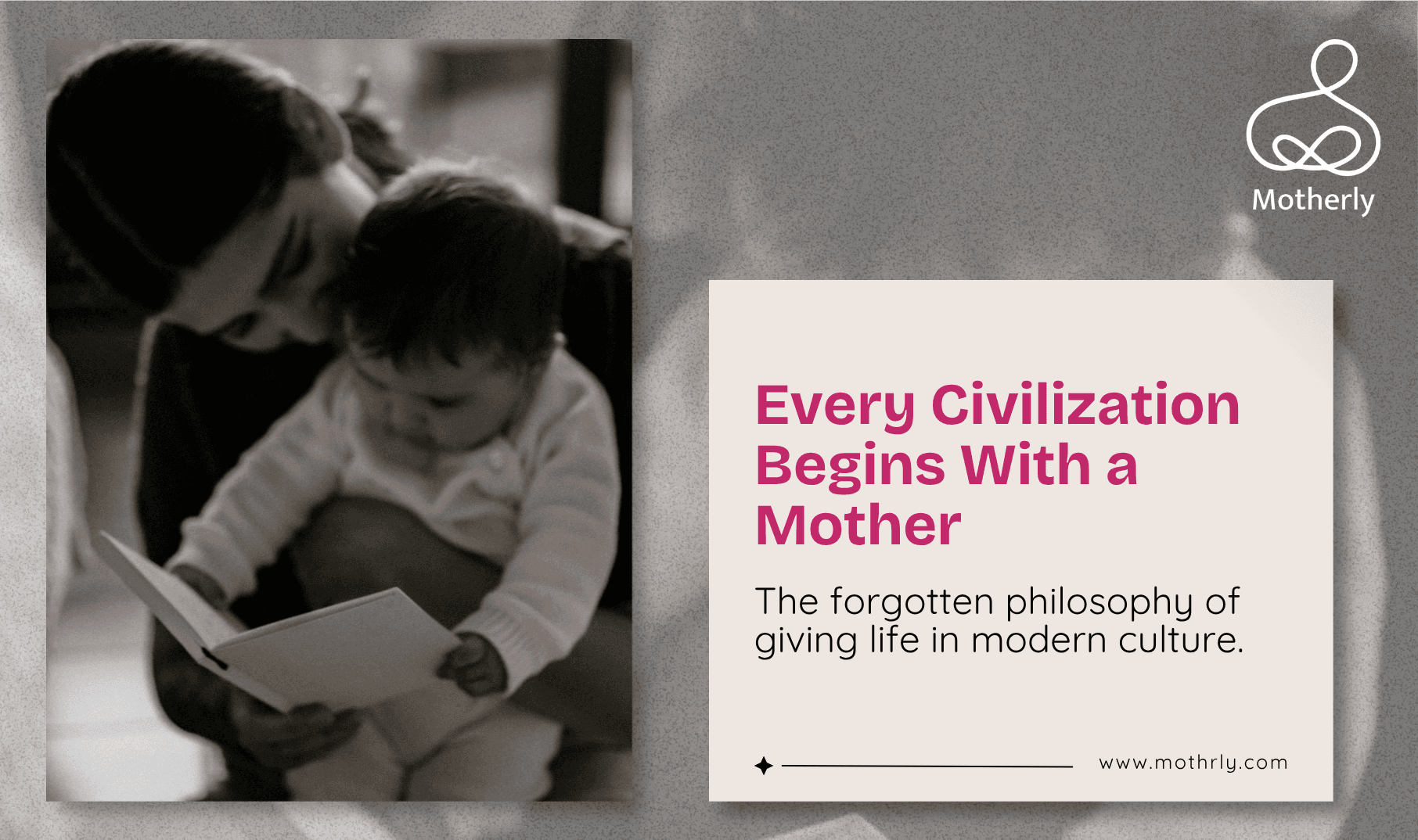
Motherly — It is an act of civilisational continuity. It is the most ancient and the most consequential thing a human being can do.
The Philosophy of Giving Life That Modern Culture Has Forgotten
Before there were cities, before there were kingdoms, before there were languages written on stone or spoken across oceans, there was a mother. Not a symbol of a mother. Not a metaphor. A woman, in a specific place, on a specific day, bringing a specific human being into the world for the first time and making the decision — conscious or instinctive, it does not matter — to sustain, protect, and raise that life. Every human being alive today, every philosopher who has ever written a word, every scientist who has discovered anything, every artist who has created beauty, every leader who has changed a nation — all of them arrived in the world through the same door. Through a mother.
The modern world has, in many ways, flattened this truth. It has replaced it with productivity metrics, with career timelines, with the language of choice and planning and optimal conditions. These things are not wrong. But when they become the entire framework through which we understand the decision to have a child, we lose something that no amount of planning can recover. We lose the sense that what a woman does when she carries and births a life is not simply a personal decision with personal consequences. It is an act of civilisational continuity. It is the most ancient and the most consequential thing a human being can do.
What civilisation actually is
We tend to think of civilisation as the accumulation of achievements — the pyramids, the Vedas, the internet. But civilisation is not primarily its achievements. It is primarily its continuity. Every generation that decided to have children, to raise them with care, to pass on language and knowledge and values and love — that generation maintained civilisation. Every mother who got up in the night to feed an infant, who sat beside a sick child, who explained the world to a mind encountering it for the first time — she was not performing a domestic function. She was performing the foundational act of human culture. Without her, there is no next generation of achievers. Without her, civilisation ends.
“Without her, there is no next generation of achievers. Without her, civilisation ends.”
The Indian philosophical tradition and the mother
In the Indian philosophical tradition, the mother is not merely respected — she is considered the first teacher, the first god, the first world. The Sanskrit concept of Mata, the teaching that Matru Devo Bhava places the mother before all other reverence, is not a sentimental gesture. It is a philosophical position. It says: the relationship that formed you, the first love you ever received, the first voice you knew, the first body that sheltered yours — this is primary. This is before everything else. This is where you begin.
Modern India is navigating a complex tension between this ancient understanding and the pressures of contemporary life. Women are choosing careers, delaying marriage, accessing education that previous generations could not imagine. These are gains. But the question of how to honour both the ancient wisdom about the sacred nature of motherhood and the legitimate aspirations of modern women is one of the most important conversations India needs to have — and is not having well.
What is lost when we reduce motherhood to a lifestyle choice
Nothing about the decision to have a child should be coerced, rushed, or made under pressure. Every woman’s circumstances are her own and deserve to be respected. But there is a cultural loss when the narrative around motherhood shrinks to a set of practical considerations — career timelines, financial readiness, partner compatibility — without any acknowledgment of what motherhood actually is. It is the continuation of your family’s story. It is the extension of your parents’ legacy and your grandparents’ sacrifice into a future they will not live to see. It is the most direct form of love a human being can practice — love for someone who does not yet exist, who will depend on you entirely, who will become their own person in ways you cannot predict or control.
The mother as the keeper of culture
In every human culture that has ever existed, the mother has been the primary transmitter of cultural identity. Language is learned first from the mother. Values are formed first in the home. Rituals, stories, prayers, recipes, songs — the entire texture of a culture passes from one generation to the next primarily through the relationship between a mother and her children. When this transmission is interrupted or devalued, culture does not immediately die. But it becomes thinner. It loses depth. The child who did not receive the stories grows up without a complete sense of where they come from. And a person without a sense of where they come from has a harder time knowing where they are going.
Supporting Mothers Means Supporting Civilisation
At Motherly, we believe that supporting a mother is not just supporting a woman — it is supporting the continuity of everything that matters. Explore our platform at mothrly.com.
Useful Resources & Guides
Keep Reading
DOULA CARE
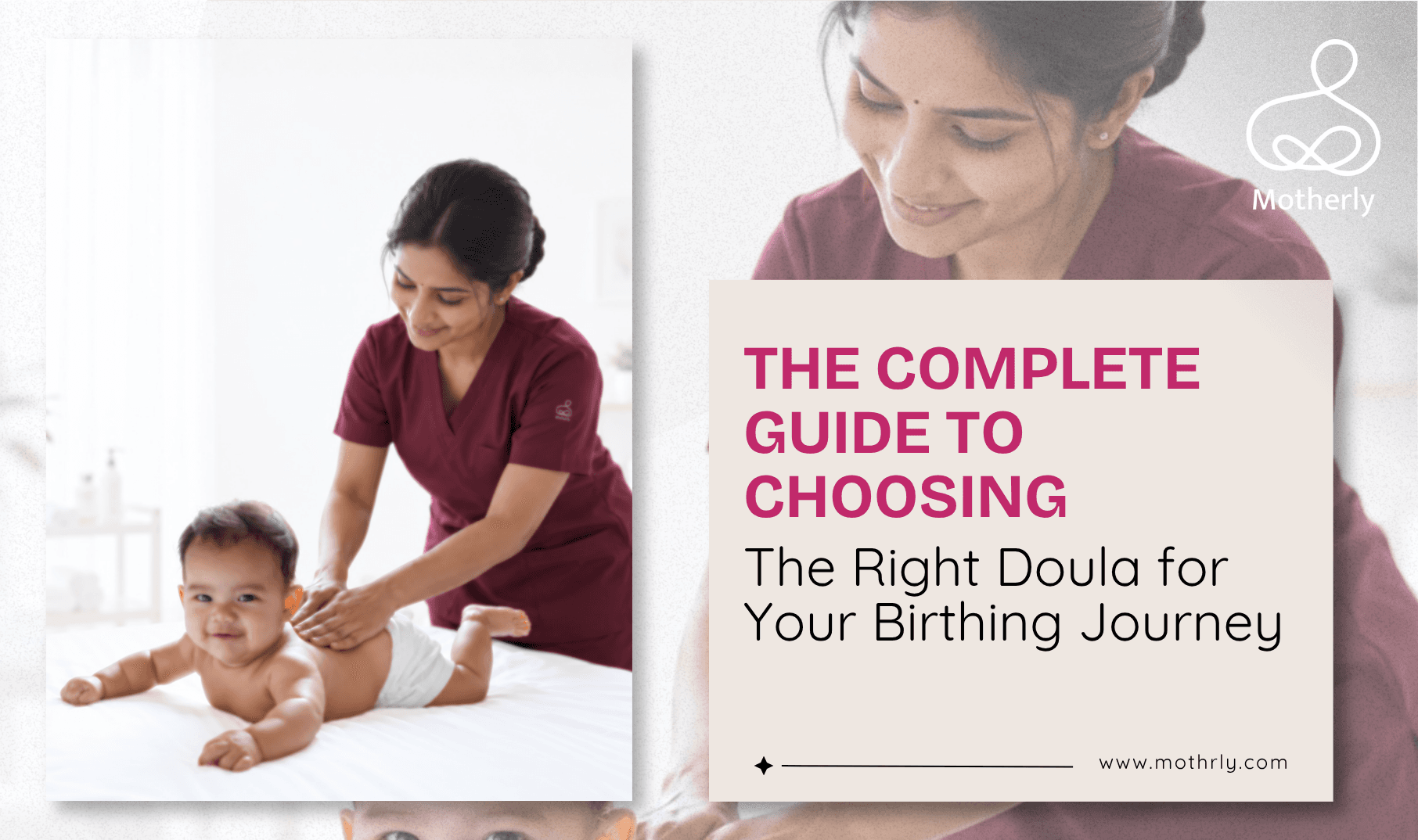
The Complete Guide to Choosing the Right Doula for Your Birthing Journey
Choosing a doula? Learn what a doula does, how to interview candidates, check training and costs, and spot red flags be…
September 30, 2026
BREASTFEEDING
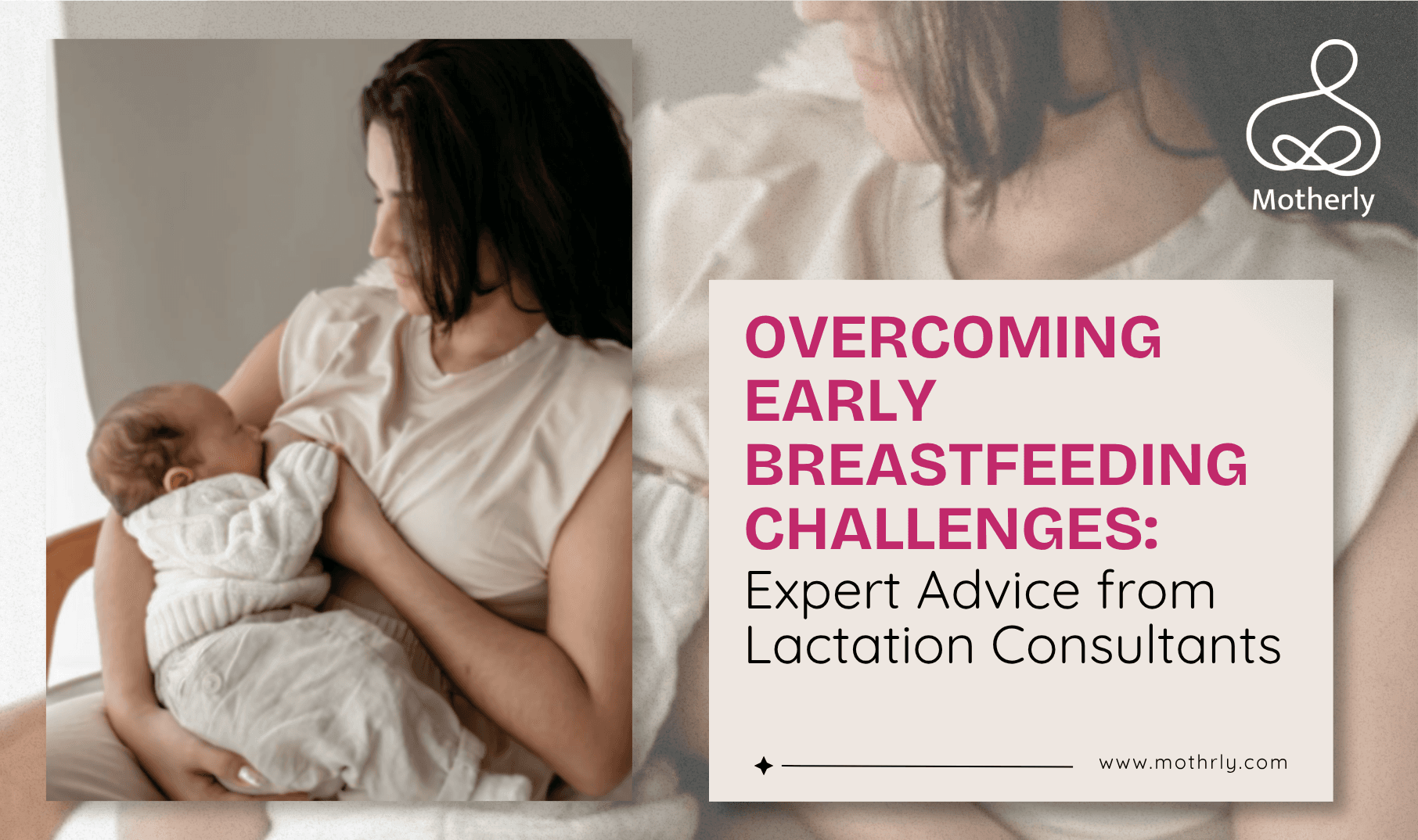
Overcoming Early Breastfeeding Challenges: Expert Advice from Lactation Consultants
Struggling with early breastfeeding? Lactation consultants explain how to fix latch problems, sore nipples, low milk wo…
September 30, 2026