Nanny Care
Why Professional In-Home Nanny Care is a Lifeline for First-Time Parents
Motherly Team·September 30, 2026

Nothing fully prepares you for the first months with a newborn. The joy is real, but so is the exhaustion. Nights blur into days, household tasks pile up, and even simple decisions can feel heavy. Many first-time parents quietly wonder how anyone manages this alone.
The truth is, they often don't. Professional in-home nanny care has become a trusted source of support for new families, offering not just an extra pair of hands but also expertise, routine, and peace of mind. Here is why it can be a genuine lifeline.
Key Takeaways:
- Extra help protects your health and emotional well-being in the newborn phase.
- A skilled nanny offers expert guidance, routine, and one-on-one attention for your baby.
- Home care means fewer germs and more flexibility than group childcare.
- Verify credentials, run background checks, and do a paid trial before hiring.
- Put expectations in writing and treat your nanny as a respected professional.
Need a trusted extra pair of hands at home?
Find screened, experienced nannies for your family.
The Reality of Life With a Newborn
Newborns feed every two to three hours, wake frequently, and communicate only through cries. For first-time parents, decoding those cues takes time. Add recovery from birth, work obligations, and the emotional shift into parenthood, and it is easy to feel exhausted.
Sleep deprivation alone affects mood, patience, memory, and decision-making. Support is not a luxury in this phase. It is a practical way to protect your health and your family's well-being.
What Is a Professional In-Home Nanny?
A professional nanny is a trained caregiver who looks after your child in your own home, whether full-time, part-time, or for specific hours. Some specialise in newborn care and are often called newborn care specialists or night nannies. Others focus on infants, toddlers, or older children.
Unlike informal help, a professional nanny brings formal training, childcare experience, and a structured approach. Many hold certifications in infant CPR, first aid, and child development.
Key Benefits for First-Time Parents
1. Expert Guidance When You Need It Most
An experienced nanny has cared for many babies and can calmly recognise what is normal. She can show you soothing techniques, safe swaddling, burping methods, bath routines, and healthy sleep habits. Learning alongside a skilled caregiver builds your confidence faster than any book.
2. Rest and Recovery for You
Whether you are healing from a caesarean, managing breastfeeding, or simply running on empty, a nanny allows you to sleep, eat properly, and recover. Night nannies in particular can handle overnight feeds and settling, so you get consolidated rest. A rested parent is a more present and patient parent.
3. Consistency and Routine for Your Baby
Babies thrive on predictability. A nanny can help establish gentle feeding, nap, and play routines that suit your baby's age and temperament. Consistent care in the familiar surroundings of home also helps babies feel secure.
4. One-on-One Attention
Unlike daycare, where caregivers divide their attention among several children, in-home nanny care offers focused, individual attention. Your baby's needs, cues, and milestones are noticed and responded to quickly.
5. Fewer Germs, Fewer Disruptions
Keeping your baby at home reduces exposure to the illnesses that spread in group settings, which matters especially in the first year. It also removes the stress of early-morning drop-offs, commuting with a baby, and sudden closures.
6. Flexibility for Your Schedule
Nannies can adapt to irregular work hours, travel, and last-minute changes. This flexibility helps parents return to work, attend appointments, or simply take a much-needed break without scrambling for arrangements.
7. Help Beyond Basic Care
Many nannies also handle baby-related tasks such as sterilising bottles, preparing feeds, doing baby laundry, and keeping the nursery organised. This frees you to spend your limited energy on bonding with your child.
Support for Your Emotional Wellbeing
Parenting can feel isolating, particularly in nuclear families without nearby relatives. Having a dependable, kind presence in the house can ease anxiety and loneliness. It also gives you the space to notice how you are feeling.
Postpartum mood changes are common. If sadness, anxiety, or overwhelm persists, speak with your healthcare provider. Having practical help at home can make it easier to prioritise your own care.
How to Choose the Right Nanny
The quality of care depends on choosing well. Consider these steps:
- Define your needs. Decide whether you need daytime help, overnight support, or full-time care, and what tasks are included.
- Verify credentials. Look for infant CPR and first aid training, relevant experience with newborns, and formal childcare qualifications.
- Run background checks. Confirm identity and criminal history, and check references thoroughly. Working with a reputable agency can simplify this.
- Interview and observe. Ask scenario-based questions, such as how she would handle a fever or a feeding refusal. Arrange a paid trial day to watch her with your baby.
- Match your parenting style. Discuss feeding approach, sleep methods, screen use, and discipline so you are aligned from the start.
- Trust your instincts. Warmth, patience, and respect matter as much as qualifications.
Setting Up a Successful Partnership
Once you have found the right person, clarity keeps the relationship healthy:
- Put expectations, hours, duties, and pay in a written agreement.
- Share your baby's routines, allergies, and emergency contacts.
- Keep communication open with regular check-ins.
- Treat your nanny as a professional, with fair pay, breaks, and respect.
- Set safety rules for feeding, sleep, and visitors.
Remember that a nanny supports you, not replaces you. Your bond with your baby remains central.
Addressing Common Concerns
"Will my baby bond with the nanny more than with me?" Babies can form multiple healthy attachments. Your role as parent is irreplaceable, and extra caregiving support often gives you more quality, less exhausted time with your baby.
"Is it affordable?" Costs vary by region and experience. Some families opt for part-time or night-only help during the toughest early weeks, which can be a practical middle ground.
"Can I trust someone in my home?" With thorough screening, references, clear boundaries, and open communication, most families build strong, trusting relationships.
Want specialist help for your newborn's first weeks?
See how baby care support works.
You Deserve Proper Care Too — Not Just Your Baby
Book online or download the app to find your verified support specialist in Chennai.
Free to download · Android & iOS · Book in under 2 minutes · mothrly.comFrequently Asked Questions
1. At what age can a nanny start caring for my baby?
Newborn care specialists can start from the first days at home. Many families hire help before the baby arrives so the caregiver is ready from day one.
2. What is the difference between a nanny and a babysitter?
A babysitter typically provides occasional, short-term supervision. A nanny is a professional caregiver with a regular schedule, broader responsibilities, and often formal training in child development.
3. Should I choose a live-in or live-out nanny?
Live-in nannies offer maximum flexibility and overnight availability but require private space in your home. Live-out nannies work set hours and suit families who want more privacy. The right choice depends on your space, budget, and schedule.
4. How do I check that a nanny is trustworthy?
Verify identity, run background checks, call previous employers, and confirm certifications. A trial period and clear written agreement add further safeguards.
5. How much does in-home nanny care cost?
Rates depend on location, experience, hours, and whether the role is day, night, or live-in. Get quotes from agencies and independent candidates, and factor in taxes or statutory obligations where applicable.
Related Reads
- Nanny Services. Screened, experienced nannies for daytime, overnight or full-time care.
- Choose the Right Nanny After Delivery in Chennai. What to look for when hiring after birth.
- Nanny Services in Chennai. How professional nanny care works for local families.
- Baby Care. Expert support for feeding, sleep and daily routines.
- Baby Care Specialist in Chennai: What They Do in the First 40 Days. A closer look at early newborn support.
Useful Resources & Guides
Keep Reading

DOULA CARE
The Complete Guide to Choosing the Right Doula for Your Birthing Journey
Choosing a doula? Learn what a doula does, how to interview candidates, check training and costs, and spot red flags be…
September 30, 2026
BREASTFEEDING
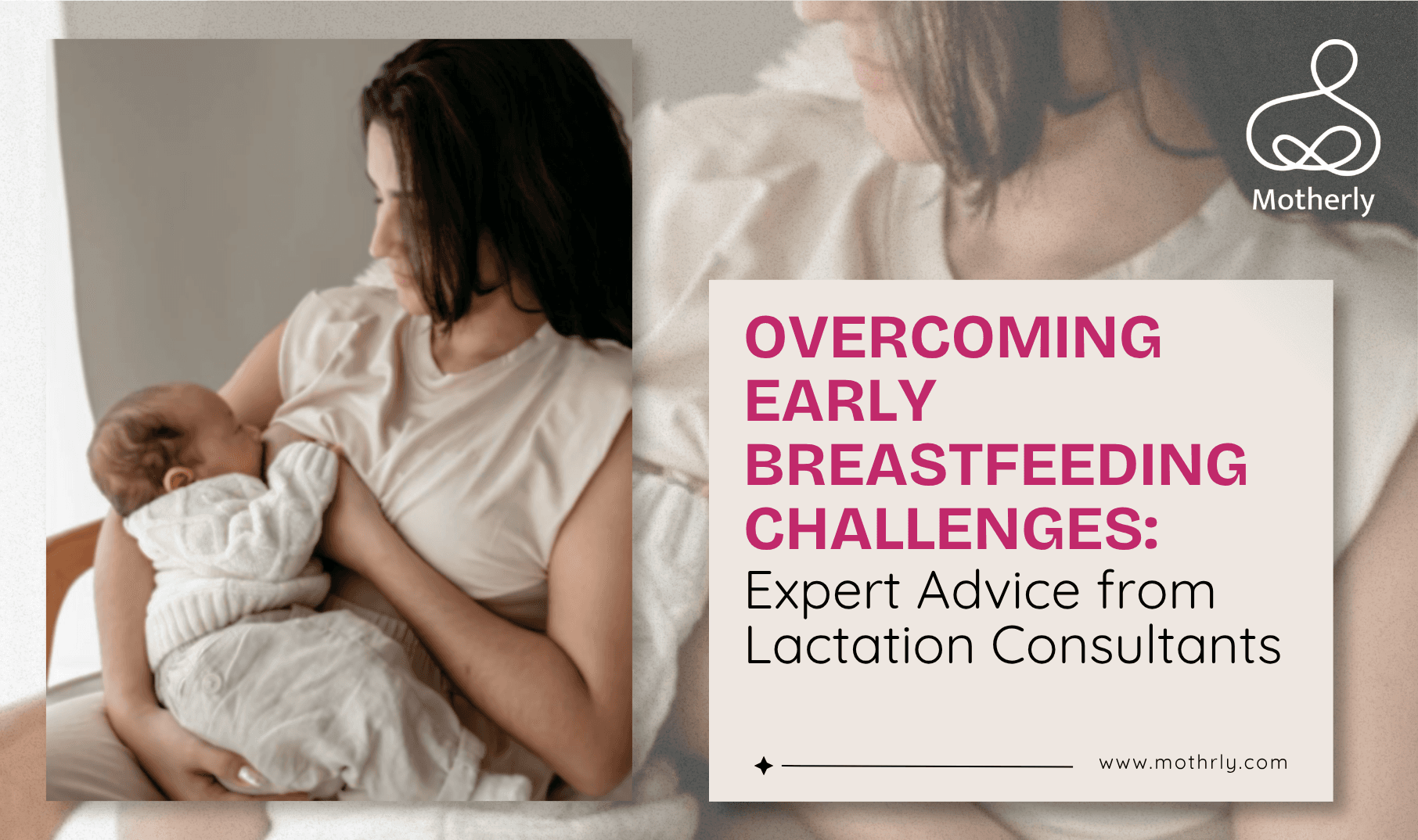
Overcoming Early Breastfeeding Challenges: Expert Advice from Lactation Consultants
Struggling with early breastfeeding? Lactation consultants explain how to fix latch problems, sore nipples, low milk wo…
September 30, 2026