Postpartum Care
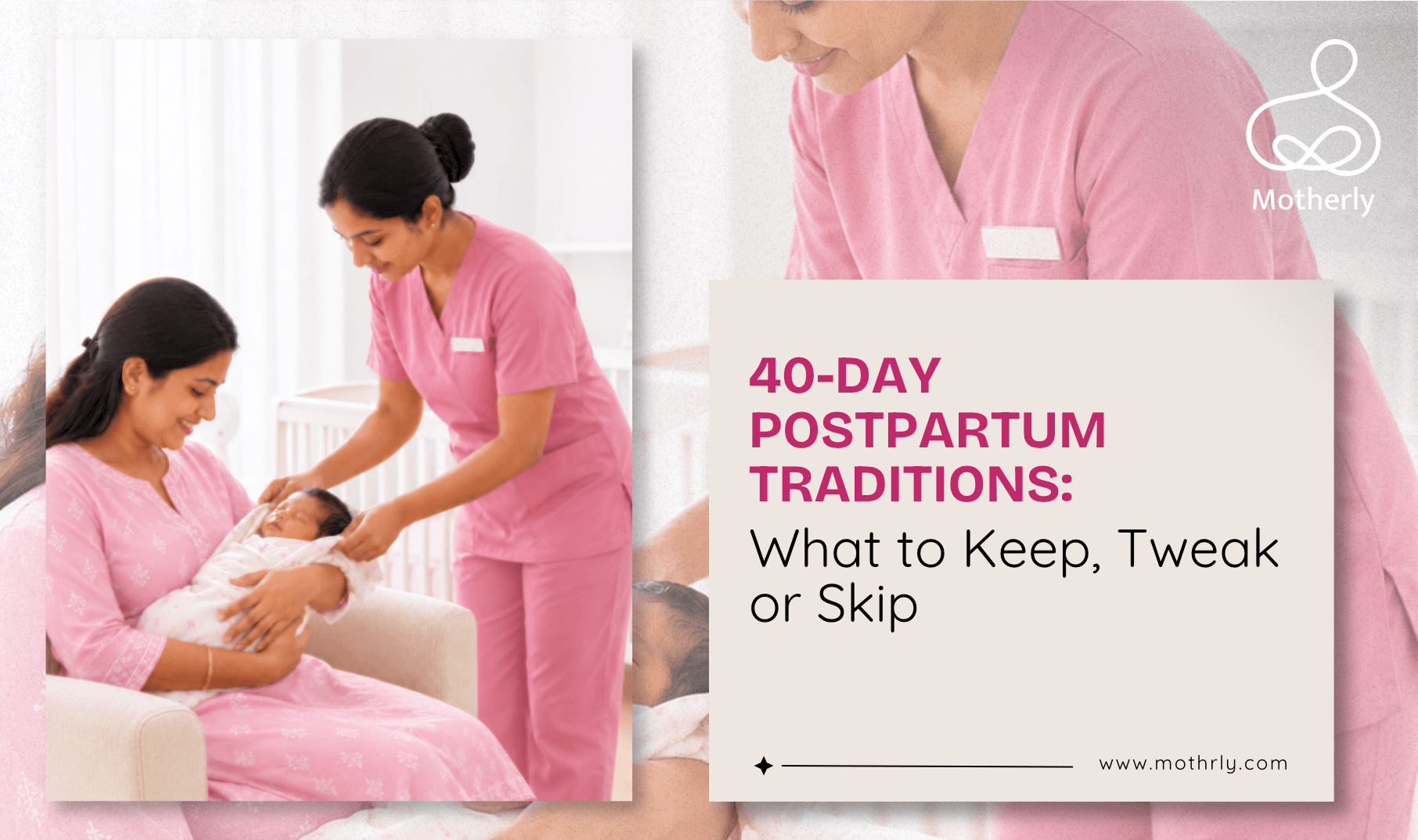
40-Day Postpartum Traditions in India: Which to Keep, Tweak or Skip
Motherly Team·November 4, 2026
Quick Answer & Key Highlights:
Most traditional Indian postpartum customs, such as rest, family help, warm nourishing food and gentle oil massage, are worth keeping, but a few, including not bathing, tight binding, restricting water, giving a newborn honey or ghutti and sealing the room, need changing for safety.
- The protective heart of the 40 days is rest, help and good food: keep it.
- Do not skip bathing or limit fluids; ask before tight binding or deep massage near a wound.
- ICMR-NIN advises starting breastfeeding within an hour and giving nothing else, not even water or honey, for six months.
- Know the red flags that need a doctor, not a home remedy.
What is the 40-day period, and why do families follow it?
Across India the first weeks after birth are protected with names such as sava mahina, baalantpan or atur ghar, and customs vary by region and community. The shared idea is that a new mother rests, eats well and is looked after while her body heals. That aim matches modern advice. The difficulty today is that many families live away from elders, so the support, not just the rituals, has to be rebuilt. See our postnatal recovery care guide and recovery timeline.
Which customs should I keep, tweak or skip?
| Custom | Verdict | Why and how |
|---|---|---|
| Resting while family handles chores | Keep | Sleep and rest speed healing and protect mood |
| Warm, freshly cooked meals (dal, khichdi, rasam, ragi, vegetables) | Keep | ICMR-NIN guidelines advise extra food and healthcare in lactation |
| Panjiri, gond laddoo, ghee-rich foods | Tweak | Calorie-dense: keep portions modest, especially after gestational diabetes; fenugreek can lower blood sugar, so tell your doctor if you take diabetes medicine |
| Gentle oil massage for the mother | Keep, with care | Avoid pressing on a C-section wound or sore stitches until cleared, and skip engorged or inflamed breasts |
| Warm water bath | Keep | Bathing is safe; follow your surgeon's advice on wounds |
| Not bathing or washing hair for days or weeks | Skip | Poor hygiene raises infection risk and comfort suffers |
| Abdominal binding | Tweak | Gentle support after a C-section only if your surgeon agrees; avoid tight binding; see postnatal physiotherapy and our guide on does postpartum belly go away? |
| Restricting water "to avoid swelling" | Skip | Breastfeeding mothers need plenty of fluids |
| Closed windows and a heater or angeethi in the room | Skip | Carbon monoxide and overheating risk; see our winter newborn guide |
| Honey, sugar water, jaggery water or janam ghutti for the baby | Skip | Breastfeed within the first hour; nothing else is advised for six months |
| Kajal or surma on the baby's eyes | Skip | Can irritate eyes, and some products may contain lead; most paediatricians advise against |
| Vigorous mustard-oil massage of the baby | Tweak | Massage gently and ask your paediatrician about the oil; see the winter guide |
| Many visitors handling the baby | Tweak | Limit visitors, wash hands, keep anyone with a cold away |
When can traditions hide warning signs?
Call your doctor promptly, and call 112 if severe, for any of these red flags:
- Bleeding that soaks a pad in an hour, or large clots
- Fever of 38°C or above, or foul-smelling discharge
- Severe headache, blurred vision or sudden swelling
- Calf pain or swelling, chest pain or breathlessness
- A wound that is red, opening or oozing
- A painful red breast lump with fever
- Persistent sadness, anxiety or frightening thoughts. Free 24x7 support is available via Tele-MANAS on 14416; also read our maternal mental health guide.
Keep the ritual, add the safety
Trained postnatal specialists combine traditional care with clinical know-how at home.
How do I build 40 days of support without a joint family?
This is Motherly's practical framework:
| Window | Biggest needs | Who can help |
|---|---|---|
| Days 1 to 3 | Rest, wound care, first feeds | Family, hospital nurses, a mother care specialist |
| Weeks 1 to 2 | Sleep, meals, bathing help, latch support | Postnatal specialist, lactation consultant, baby care specialist |
| Weeks 3 to 6 | Gentle movement, mood check-ins, routine | Family, postnatal physio, nanny for night or day hours |
| Week 6 | Medical check and exercise clearance | Your gynaecologist |
For core recovery exercises, read our postnatal physiotherapy guide.
No elders nearby? You still deserve the 40 days
Get verified in-home recovery support in Chennai.
You Deserve Proper Care Too — Not Just Your Baby
Book online or download the app to find your verified support specialist in Chennai.
Free to download · Android & iOS · Book in under 2 minutes · mothrly.comFrequently Asked Questions
1. Can I take a head bath after delivery?
Yes. Warm baths and hair washing are safe unless your doctor advises otherwise for a wound.
2. Is jeera or ajwain water safe while breastfeeding?
Usual kitchen amounts are generally fine. Ask your doctor about concentrated herbal mixes or lehyam.
3. When can I start exercising?
Gentle walking and breathing often start early; structured exercise is usually cleared around the six-week check. See our postnatal physiotherapy guide.
4. Should my baby get water in hot weather?
Not before six months, according to ICMR-NIN guidelines. Breast milk provides enough fluid.
5. When do the 40 days actually end?
Traditions differ; the medical marker is your six-week postnatal check.
Related Reads
- Newborn Winter Care in India.
- Returning to Work After Maternity Leave.
- Mother Care Specialist in Chennai.
- Postnatal Recovery Care.
Medical Disclaimer: This article is for general information and education only, respects regional and family traditions, and is not a substitute for professional medical advice, diagnosis or treatment. Customs and herbs vary widely, so check any remedy with your doctor or paediatrician. In an emergency call 112 or go to the nearest hospital. Motherly's services complement, and do not replace, care from your treating doctor.
Useful Resources & Guides
Keep Reading
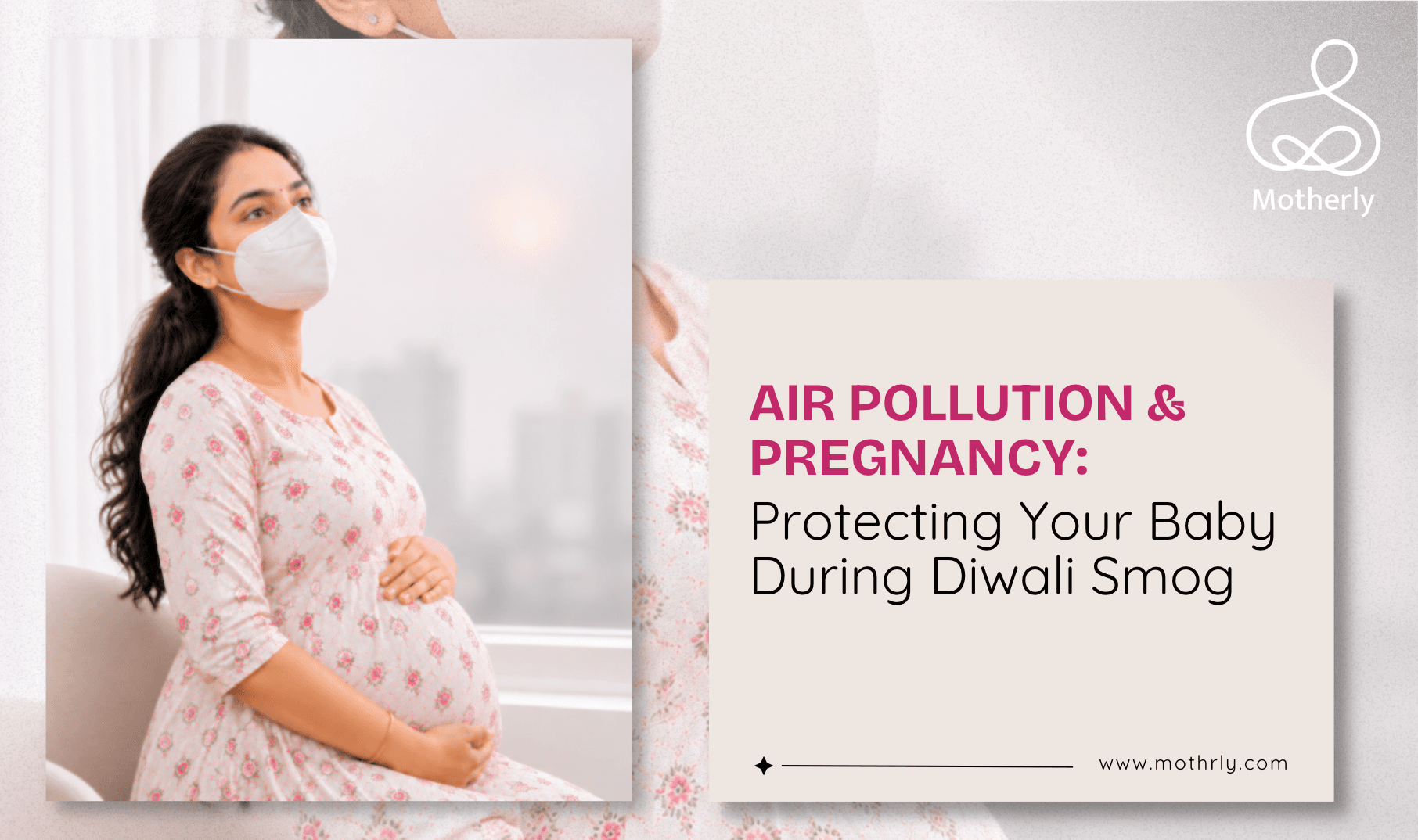
PREGNANCY TIPS
Air Pollution and Pregnancy in India: How to Protect Your Baby During Diwali Smog and Winter AQI Spikes
Is Delhi-level smog dangerous in pregnancy? See what Indian data says on PM2.5, birth weight and preterm birth, plus an…
November 4, 2026

PEDIATRICS
Baby Fever and Cough in the Monsoon-to-Winter Shift: Dengue, Viral Fever and When to Call the Doctor
Baby has fever in dengue season? Learn red-flag signs, a 3-day fever log, what not to give and when to see a paediatric…
November 4, 2026