Doula Care
The Complete Guide to Choosing the Right Doula for Your Birthing Journey
Motherly Team·September 30, 2026
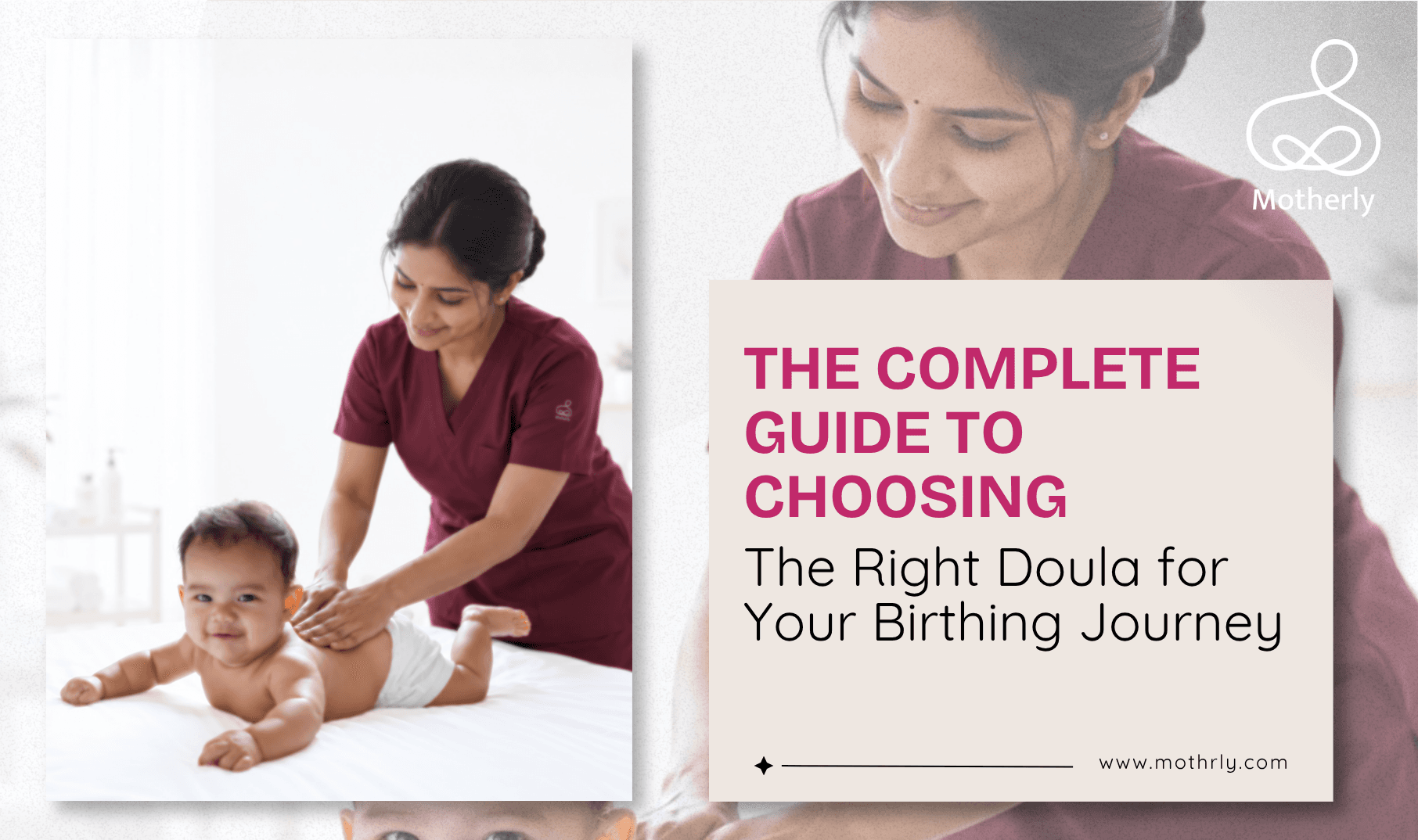
Bringing a baby into the world is one of the most beautiful experiences of your life. It is also one of the most unpredictable. Many expectant parents find themselves juggling hospital tours, birth plans, and a flood of advice from every direction. In the middle of all this, having a steady, knowledgeable person by your side can change how you experience birth. That person is a doula.
But with so many doulas out there, how do you choose the right one? This guide covers everything you need to know.
Key Takeaways:
- A doula offers continuous emotional and physical support, not medical care.
- Interview at least three doulas and prioritise chemistry, philosophy, and respect for your choices.
- Check training, experience, backup arrangements, and costs before committing.
- Watch for red flags like medical claims, pressure, or guaranteed outcomes.
- Book in the second trimester, since popular doulas fill up early.
Looking for a doula?
Get matched with trained, experienced support for your birth and the weeks after.
What Is a Doula, Really?
A doula is a trained professional who provides continuous emotional, physical, and informational support before, during, and shortly after childbirth. Unlike a doctor or midwife, a doula does not perform clinical tasks such as delivering the baby, checking dilation, or giving medical advice. Instead, she focuses on you: your comfort, your confidence, and your voice in the room.
Research consistently links continuous labour support with positive outcomes, including shorter labours, fewer caesarean births, and higher satisfaction with the birth experience. A doula also supports your partner, giving them room to participate without feeling pressure to know everything.
Types of Doulas
Before you begin your search, it helps to know the main types:
- Birth doulas support you through pregnancy, labour, and delivery.
- Postpartum doulas help in the weeks after birth with newborn care, feeding support, rest, and household adjustment.
- Antepartum doulas assist during high-risk pregnancies or bed rest.
- Loss and bereavement doulas offer compassionate support after miscarriage, stillbirth, or infant loss.
- Full-spectrum doulas support the entire reproductive journey, including abortion and adoption.
Decide which stage of support matters most to you, and search accordingly.
Step 1: Clarify What You Want
Start by asking yourself a few honest questions. Do you want a natural birth, or are you planning an epidural? Are you delivering in a hospital, birth centre, or at home? Do you want hands-on physical comfort like massage and counterpressure, or mostly calm reassurance and advocacy? Are you a first-time parent, or have you had a difficult birth before?
Your answers will shape the qualities you look for. A doula experienced with caesarean births, for example, will be a great fit if you have a planned C-section.
Step 2: Check Training and Experience
Doula certification is not currently regulated by a single national licensing body in India, so training and credentials can vary between doulas. When choosing a doula, look for relevant training, practical birth-support experience, and certifications from established international or Indian doula training organisations. Ask about their training, number of births attended, and any additional courses in childbirth education, breastfeeding support, or newborn care.
As said, certificates aren't everything. Ask practical questions:
- How many births have you handled?
- Have you worked at my chosen hospital or birth centre?
- What is your approach when birth plans change?
- Do you have experience with situations like inductions, twins, or VBACs?
A newer doula with solid training may be a wonderful fit, while a veteran might bring calm expertise. Neither is automatically better.
Step 3: Interview at Least Three Doulas
Most doulas offer a free consultation. Treat it like an interview, but also pay attention to how you feel. Birth is vulnerable, and you'll want someone you can be fully yourself around.
Notice whether she listens more than she talks, whether she respects your choices even when they differ from her own, and whether both you and your partner feel comfortable. Good chemistry is one of the strongest predictors of a good doula relationship.
Step 4: Understand Philosophy and Boundaries
A great doula supports your decisions, not her own agenda. Ask how she handles a change in your birth plan or an unexpected medical intervention. She should never speak for you to medical staff or pressure you into any choice. Her role is to help you ask questions and make proper decisions.
Also clarify her working style with your care team. The best doulas collaborate respectfully with doctors, nurses, and midwives rather than working against them.
Step 5: Discuss Logistics and Cost
Doula fees vary widely depending on location and experience. Packages generally include prenatal visits, on-call availability from around 37 to 42 weeks, continuous labour support, and one or two postpartum visits. Ask about:
- Total fee and payment schedule
- Backup doula arrangements if she is unavailable or at another birth
- How quickly she can join you once labour begins
- What happens if you deliver before she arrives
- Refund policy
Some insurance plans, HSA/FSA accounts, and Medicaid programs in certain regions now cover doula services, so check your options. Many doulas also offer sliding-scale fees or payment plans.
Red Flags to Watch For
Trust your instincts. Be cautious if a doula makes medical claims, dismisses your care provider, pushes a particular birth style, guarantees a specific outcome, or is unwilling to provide references. Birth can never be guaranteed, and a trustworthy doula knows that.
Green Flags to Look For
A great doula is warm but professional, communicates clearly, shares references or testimonials, and speaks about birth with respect for all paths, whether medicated, unmedicated, vaginal, or surgical. She should make you feel capable and supported rather than pressured or judged.
Want support after the birth too?
See how postnatal recovery care helps you rest and heal.
You Deserve Proper Care Too — Not Just Your Baby
Book online or download the app to find your verified support specialist in Chennai.
Free to download · Android & iOS · Book in under 2 minutes · mothrly.comFrequently Asked Questions
1. When should I hire a doula?
Many people book between 12 and 28 weeks of pregnancy. Popular doulas fill their calendars early, so starting your search in the second trimester is wise. As said, some doulas accept late bookings, so don't lose hope if you're further along.
2. Will a doula replace my partner?
Not at all. A doula complements your partner's role. She offers guidance and hands-on techniques so your partner can be present in the way that feels right, whether that's holding your hand or taking a break to eat and rest.
3. Can I have a doula with an epidural or C-section?
Yes. Doulas support all types of births. She can help with positioning, breathing, emotional reassurance, and communication, even in an operating room where policies may limit who can be present.
4. How much does a doula cost?
Costs vary widely by region and experience level, from a few hundred to several thousand dollars. Ask about payment plans, sliding-scale rates, community doula programs, or insurance and Medicaid coverage in your area.
5. What is the difference between a doula and a midwife?
A midwife is a trained medical professional who provides clinical care, including prenatal checkups and delivering babies. A doula provides non-medical emotional and physical support. Many families have both, as the roles work well together.
Related Reads
- Doula Services. Meet trained doulas who support you before, during and after birth.
- Doula vs Midwife: Who Cares for You and Your Baby. How the two roles differ and work together.
- A Birth Plan That Works in India. Prepare your preferences and stay flexible.
- Postnatal Recovery Care. Hands-on help for healing in the weeks after birth.
- Labour: What Actually Happens. What to expect through each stage of labour.
Useful Resources & Guides
Keep Reading
BREASTFEEDING
Overcoming Early Breastfeeding Challenges: Expert Advice from Lactation Consultants
Struggling with early breastfeeding? Lactation consultants explain how to fix latch problems, sore nipples, low milk wo…
September 30, 2026
PHYSIOTHERAPY
Postnatal Physiotherapy: Essential Steps for Restoring Your Core and Pelvic Floor
Learn how postnatal physiotherapy helps you rebuild your core and pelvic floor, manage diastasis recti and return to ex…
September 30, 2026