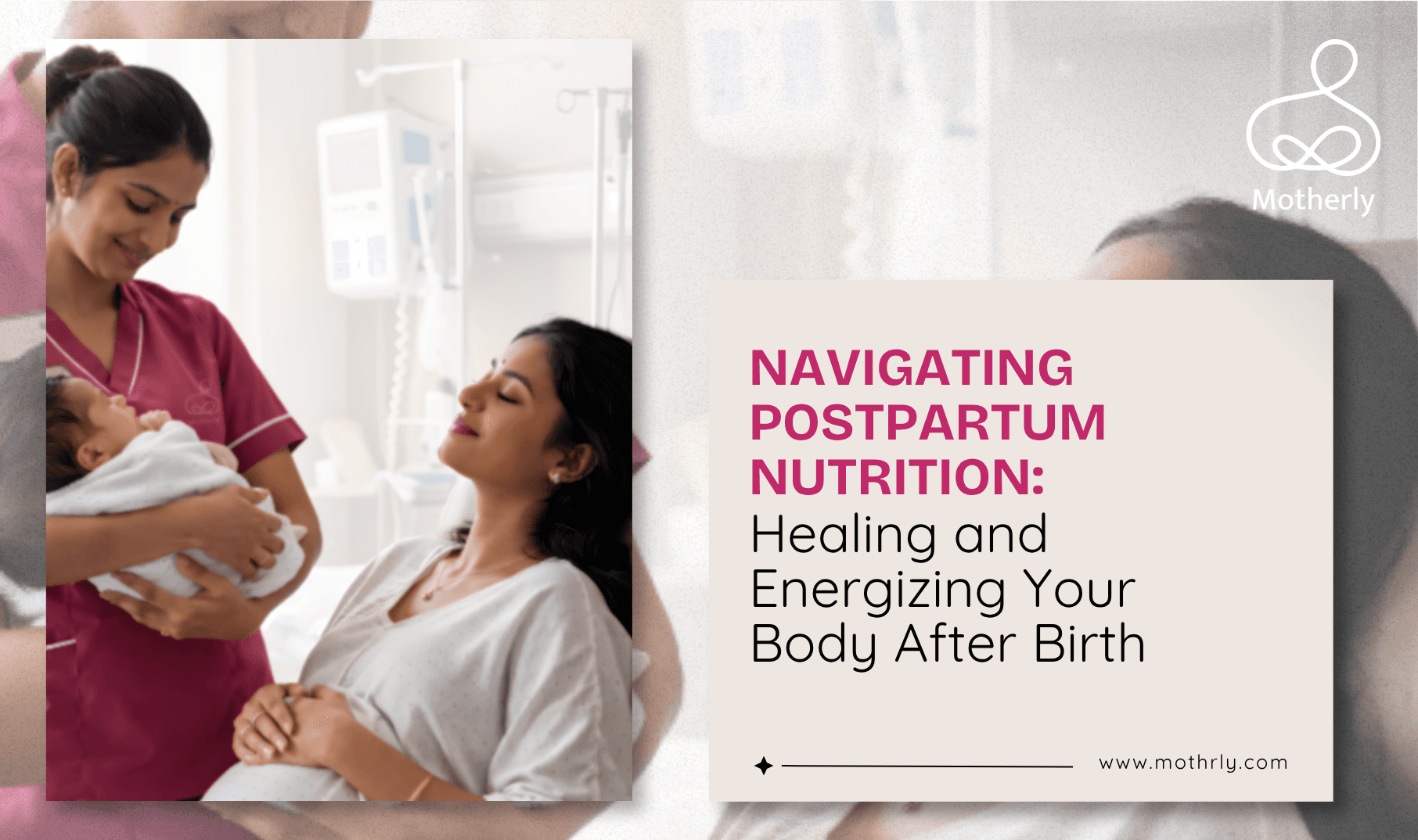
Navigating Postpartum Nutrition: Healing and Energising Your Body After Birth
September 30, 2026 · Motherly Team
Navigating Postpartum Nutrition: Healing and Energising Your Body After Birth
After birth, most of the attention goes to the baby. Yet your body has just done something extraordinary, and it now needs rest to heal, produce milk if you are breastfeeding, and keep up with the demands of round-the-clock newborn care. Nutrition in this period is not about dieting or "getting your body back." It is about restoring strength, supporting recovery, and protecting your energy and mood.
Here is a practical guide to eating well after birth.
- Focus on healing and energy, not dieting or rapid weight loss.
- Prioritise protein, iron, healthy fats, whole grains, and plenty of fluids.
- Breastfeeding may need roughly 300 to 500 extra calories a day.
- Traditional recovery foods can nourish when balanced with vegetables and protein.
- Batch cooking, easy snacks, and accepting help make eating well realistic.
Recovering from birth and unsure how to eat well?
Get caring, personalised support for mothers.
Why Postpartum Nutrition Matters
Pregnancy and childbirth can leave your body tired and in need of extra nutrients. Tissue repair, hormonal shifts, sleep deprivation, and, for many, breastfeeding all increase your needs. Good nutrition can help with:
- Wound healing after a vaginal tear or caesarean
- Replenishing iron and preventing fatigue
- Supporting milk production and quality
- Stabilising mood and energy levels
- Supporting your immune system
Eating well will not fix everything, but it gives your body the raw materials it needs to recover.
The Building Blocks of a Healing Diet
Protein
Protein is essential for tissue repair and rebuilding. Include a source at every meal, such as eggs, fish, poultry, lentils, beans, paneer, yoghurt, tofu, nuts, and seeds. Lean meats and dairy also provide iron and calcium.
Iron
Blood loss during delivery can leave you low on iron, which contributes to tiredness, dizziness, and low mood. Good sources include red meat, liver, spinach, lentils, chickpeas, jaggery, dates, and fortified cereals. Pair plant-based iron with vitamin C, like lemon, oranges, or tomatoes, to improve absorption. If you have symptoms of anaemia, ask your doctor about testing and supplements.
Healthy Fats
Omega-3 fatty acids, particularly DHA, support brain health and may benefit both your mood and your baby's development if you are breastfeeding. Sources include fatty fish like salmon and sardines, walnuts, flaxseeds, and chia seeds. Include other healthy fats from avocado, olive oil, ghee in moderation, and nuts.
Complex Carbohydrates
Whole grains such as oats, millets, brown rice, whole wheat, and quinoa provide steady energy and fibre. They also help prevent constipation, which is a common postpartum complaint.
Fibre, Fruits, and Vegetables
Colourful produce supplies vitamins, antioxidants, and fibre. Aim for a variety of fruits and vegetables through the day. This supports digestion, immunity, and wound healing.
Calcium and Vitamin D
These support bone health, especially if you are breastfeeding, as your body directs calcium toward milk production. Dairy, fortified plant milks, ragi, sesame seeds, and leafy greens are good sources. Vitamin D comes from sunlight and some foods, and many doctors recommend supplements.
Key Micronutrients to Know
- Vitamin C: Helps collagen formation and healing
- Zinc: Supports immunity and wound repair
- Iodine and choline: Important for infant brain development during breastfeeding
- B vitamins, including B12: Support energy and nervous system health, particularly important for vegetarians and vegans
Hydration Matters
Your body needs enough fluids to support recovery and, if you are breastfeeding, help produce breast milk. Keep a water bottle wherever you feed your baby. Aim to drink regularly through the day and whenever you feel thirsty. Soups, buttermilk, coconut water, herbal teas, and fruit-rich foods also contribute. Limit sugary drinks, and keep caffeine moderate, typically up to about 200 to 300 mg a day, which is roughly two cups of coffee.
Do You Need Extra Calories?
If you are breastfeeding, your body needs additional energy, often about 300 to 500 extra calories per day. Rather than counting, focus on eating to satisfy hunger with nourishing foods, and include snacks between meals. If you are not breastfeeding, you will need less, but you still need enough food to heal.
Restricting calories too soon can slow recovery, reduce energy, and may affect milk supply. Gradual, gentle weight change over months is much healthier than rapid loss.
Traditional Postpartum Foods
Many cultures have time-honoured recovery foods, and several are genuinely nourishing. In India, for example, families often prepare:
- Ajwain and jeera water for digestion
- Gond laddoos with edible gum, nuts, and jaggery
- Dry fruit and seed mixes for energy
- Dal, khichdi, and soups that are warm and easy to digest
- Ghee and turmeric milk in moderation
These can be comforting and beneficial when prepared thoughtfully. Balance rich, sweet items with vegetables, protein, and fibre. If you have gestational diabetes, high blood pressure, or other conditions, check with your doctor before following traditional plans strictly.
Sample Day of Eating
Keep meals simple and easy to prepare with one hand.
- Breakfast: Vegetable oats or millet porridge topped with nuts and seeds, plus fruit
- Mid-morning snack: Yogurt with dates or a handful of almonds
- Lunch: Dal, brown rice or roti, sautéed vegetables, and a side salad
- Afternoon snack: Hummus with vegetable sticks, or a boiled egg and fruit
- Dinner: Grilled fish, paneer, or tofu with vegetables and whole grains
- Evening: A warm glass of milk or herbal tea, and a small nourishing snack
Practical Tips for Busy New Parents
Eating well with a newborn takes needs, not just perfection.
- Batch cook and freeze meals before birth or accept meal trains from friends
- Keep snacks within reach in your feeding spot, such as nuts, fruit, and energy bites
- Choose easy proteins like boiled eggs, yoghurt, roasted chickpeas, and cheese
- Ask for help. Let your partner or family cook and shop
- Use shortcuts such as pre-cut vegetables, frozen produce, and ready-to-cook grains
- Eat when your baby sleeps, and resist the urge to use that time for chores
Foods and Habits to Watch
Most foods are safe while breastfeeding, but a few need care.
- Alcohol: Best limited, and timing feeds carefully if you do drink
- High-mercury fish: Avoid shark, swordfish, and king mackerel
- Highly processed foods: Fine occasionally, but they should not replace nourishing meals
- Herbal supplements: Check with your doctor first, as some can affect milk supply or interact with medication
- Allergen concerns: Unless your baby shows a clear reaction, you generally do not need to avoid common foods
Nutrition and Postpartum Mood
Skipped meals, low iron, and sleep deprivation can worsen fatigue and irritability. While food is not a cure for postpartum depression or anxiety, regular, balanced eating supports mental wellbeing. If you notice persistent sadness, loss of appetite, or overwhelming worry, speak to your healthcare provider.
Need support with feeding and milk supply?
Talk to a lactation expert.
Frequently Asked Questions
1. What should I eat right after giving birth?
Start with light, easily digestible foods such as soups, khichdi, porridge, fruit, and yogurt, then move to balanced meals with protein, iron-rich foods, and vegetables as your appetite returns. If you had a cesarean, follow your surgeon's guidance on when to resume normal foods.
2. Can I lose weight while breastfeeding?
Gradual weight loss of about 0.5 kg (1 lb) a week is generally considered safe once breastfeeding is well established, usually after the first six to eight weeks. Avoid crash diets or heavy restriction, which can reduce energy and milk supply.
3. Do I need to keep taking prenatal vitamins?
Many doctors recommend continuing them while breastfeeding and often for several months after birth. Ask your provider which supplements suit your needs, particularly for iron, vitamin D, and B12.
4. Which foods help with constipation after birth?
Fibre-rich foods like oats, whole grains, fruits, vegetables, and pulses help, along with plenty of water. Prunes, figs, and papaya are gentle options. If constipation persists, talk to your doctor before using laxatives.
5. Do I have to avoid certain foods because I'm breastfeeding?
Most people do not need to follow a restricted diet. Limit alcohol, avoid high-mercury fish, and keep caffeine moderate. If your baby shows signs of a reaction, such as a persistent rash, blood in stool, or unusual fussiness after feeds, consult your paediatrician before eliminating foods.
Related Reads
- Postnatal Recovery Care. Support for healing and rest in the weeks after birth.
- What a Breastfeeding Mother Eats. Everyday food choices while nursing.
- Anaemia: The Indian Women Crisis. Why iron matters and what to do about low levels.
- Lactation Consultants. Get help with feeding and milk supply.
- Indian Superfoods for Mothers. Traditional ingredients that nourish new mothers.