Pregnancy
The Benefits of Prenatal Yoga: Strengthening Body and Mind for a Healthy Delivery
Motherly Team·September 17, 2026
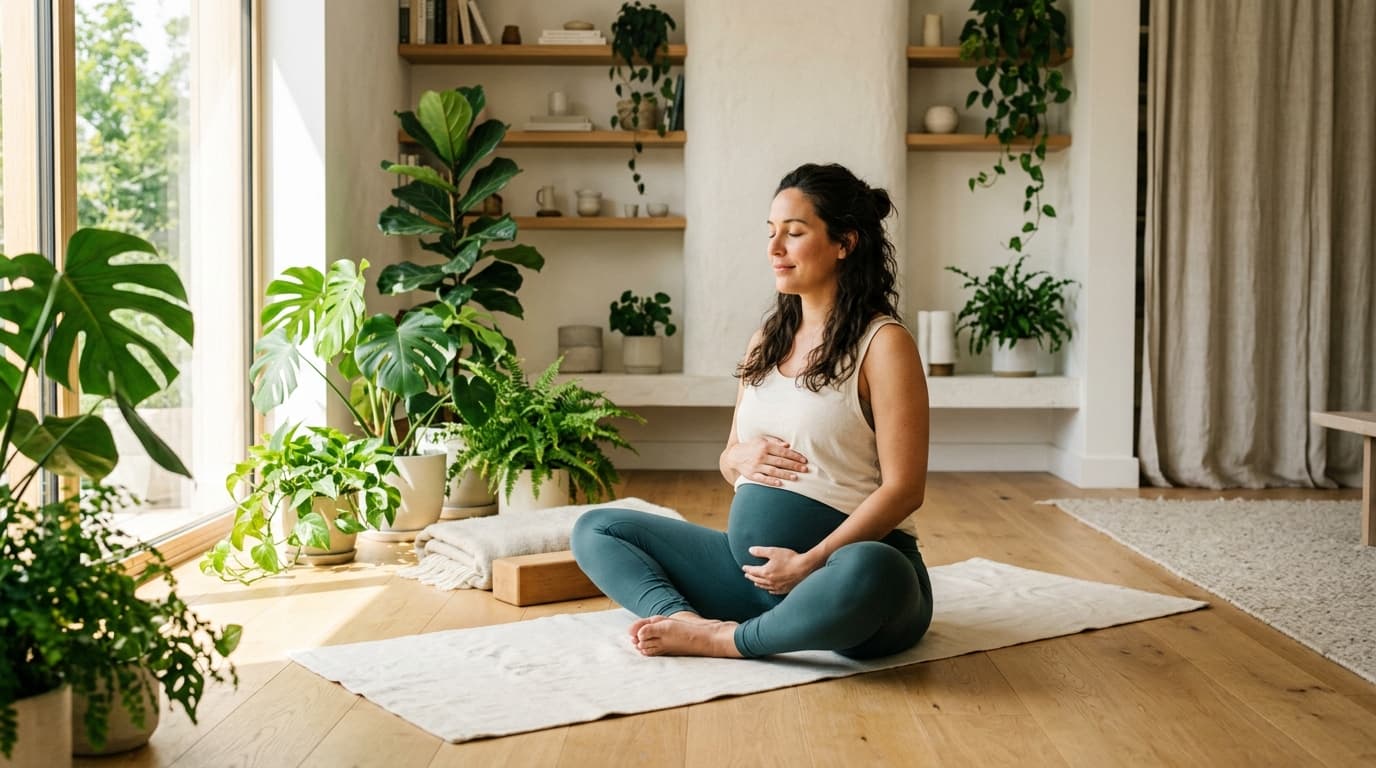
Pregnancy is an exciting journey, but it also brings many physical and emotional changes. As the baby grows, the body works harder to support this development, often leading to challenges such as back pain, fatigue, swelling, stress, and sleep difficulties. During this time, staying active and maintaining both physical and mental well-being becomes an important part of a healthy pregnancy.
One exercise that has gained widespread popularity among expectant mothers is prenatal yoga. Combining gentle movements, stretching, breathing exercises, and relaxation techniques, prenatal yoga is specifically designed to meet the changing needs of pregnant women. It offers a safe way to stay active while improving strength, flexibility, balance, and overall well-being.
Beyond its physical benefits, prenatal yoga helps create a stronger mind-body connection, encouraging relaxation, confidence, and emotional balance throughout pregnancy. When practised safely under proper guidance, it can help mothers feel better prepared for labour, delivery, and the transition into motherhood.
Key Takeaways
- Prenatal yoga helps strengthen muscles that support pregnancy and childbirth.
- Gentle stretching can reduce common discomforts such as back pain and stiffness.
- Breathing techniques promote relaxation and may help during labour.
- Regular practice can lower stress, improve sleep, and support emotional well-being.
- Prenatal yoga helps prepare both the body and mind for a healthy delivery.
What Is Prenatal Yoga?
Prenatal yoga is a modified form of yoga created specifically for pregnant women. The exercises, stretches, and poses are adjusted to accommodate the body's changes during each stage of pregnancy.
A typical prenatal yoga session may include:
- Gentle stretching exercises
- Pregnancy-safe yoga poses
- Breathing techniques
- Relaxation and meditation practices
- Pelvic floor awareness exercises
- Mindfulness activities
The goal is not intense physical training. Instead, prenatal yoga focuses on supporting comfort, mobility, strength, and emotional well-being throughout pregnancy, alongside safe exercise during pregnancy more broadly. Many expectant mothers choose to work with guided prenatalyoga services rather than practising alone.
Start your prenatal yoga journey with Motherly.
Personalised routines guided by certified prenatal instructors in Chennai.
Supports Physical Strength During Pregnancy
As pregnancy progresses, the body carries additional weight and experiences shifts in posture and balance. These changes can place extra pressure on muscles and joints.
Prenatal yoga helps strengthen key muscle groups that support pregnancy and childbirth, including:
- Core muscles
- Back muscles
- Hips and pelvis
- Legs and thighs
- Pelvic floor muscles
Improved strength can make daily activities more comfortable and may reduce physical strain as the pregnancy advances. Strong muscles also help support proper posture, which can reduce discomfort caused by the growing baby bump.
Helps Reduce Common Pregnancy Discomforts
Many women experience physical discomfort during pregnancy. Hormonal changes and the increasing weight of the baby can contribute to aches and pains throughout the body.
Prenatal yoga may help relieve:
- Lower back pain
- Hip discomfort
- Neck and shoulder tension
- Leg cramps
- Swelling in the feet and ankles
- Joint stiffness
Gentle stretching and controlled movement encourage better circulation and help release muscle tension. Regular practice can improve mobility and make everyday movement easier. While yoga is not a treatment for medical conditions, it can be a valuable tool for managing common pregnancy-related discomforts, and persistent aches are often better addressed alongside physiotherapy support.
Improves Flexibility and Mobility
The body naturally becomes more flexible during pregnancy due to hormonal changes that prepare the pelvis and joints for childbirth. However, limited movement or muscle tightness can still lead to discomfort.
Prenatal yoga encourages safe stretching that helps maintain flexibility without placing excessive strain on the body.
Improved flexibility may:
- Increase comfort during pregnancy
- Support healthy movement patterns
- Reduce stiffness
- Improve range of motion
- Help the body adapt to physical changes
Maintaining flexibility can also make it easier to change positions during labour and delivery.
Encourages Better Breathing Techniques
Breathing plays an important role throughout pregnancy and childbirth. As the uterus expands, many women notice changes in their breathing patterns. Prenatal yoga places significant emphasis on controlled breathing exercises. These techniques help women become more aware of their breath and learn how to use it effectively.
Benefits of breathing exercises include:
- Increased relaxation
- Better oxygen flow
- Reduced stress
- Improved concentration
- Greater control during labour
Learning to focus on breathing can be particularly helpful during contractions, as it promotes calmness and helps manage discomfort.
Supports Pelvic Floor Health
The pelvic floor is a group of muscles that supports the bladder, uterus, and bowel. These muscles play a critical role during pregnancy, labour, and recovery after childbirth.
Prenatal yoga often includes exercises that help women develop awareness and control of their pelvic floor muscles.
Strong and flexible pelvic floor muscles may help:
- Support the growing baby
- Improve bladder control
- Assist during labour
- Promote postpartum recovery
Balanced pelvic floor health involves both strengthening and relaxation, which prenatal yoga can help encourage — a focus that carries into pelvic floor recovery after birth as well.
Guided prenatal yoga tailored for every stage of pregnancy.
Reduces Stress and Anxiety
Pregnancy often brings excitement, but it can also create feelings of uncertainty and worry. Concerns about labour, delivery, parenting, and health are common among expectant mothers.
One of the greatest benefits of prenatal yoga is its positive effect on mental well-being. Yoga encourages mindfulness, relaxation, and present-moment awareness. Through breathing exercises and meditation, women learn techniques that help calm the nervous system, a practice that is often described as yoga as medicine for mothers.
Regular practice may help reduce:
- Stress
- Anxiety
- Emotional tension
- Irritability
- Feelings of overwhelm
A calmer state of mind can contribute to a more positive pregnancy experience and improve overall emotional health, and this mindset can extend into the fourth trimester and maternal mental health after the baby arrives.
May Improve Sleep Quality
Sleep disturbances are common during pregnancy, especially during the second and third trimesters. Physical discomfort, frequent bathroom trips, hormonal changes, and anxiety can all affect sleep quality.
Prenatal yoga promotes relaxation and helps release physical tension that may interfere with restful sleep. Many women find that practicing gentle yoga regularly helps them:
- Fall asleep more easily
- Experience deeper sleep
- Feel more rested
- Reduce nighttime discomfort
Better sleep supports overall health and provides valuable energy during pregnancy.
Helps Prepare for Labour and Delivery
Labour requires physical endurance, mental focus, and the ability to remain calm under pressure. Prenatal yoga helps women develop skills that may be useful during childbirth.
Through regular practice, expectant mothers learn:
- Controlled breathing techniques
- Relaxation methods
- Body awareness
- Comfortable movement and positioning
- Mental focus during challenging situations
Many yoga poses also encourage healthy pelvic mobility and body positioning, which may help women feel more prepared for labour. Although every birth experience is unique, the physical and mental skills developed through prenatal yoga can provide valuable support during delivery.
Prepare your body and mind for a safe, healthy delivery.
Promotes Better Body Awareness
Pregnancy is a time when the body undergoes rapid and continuous changes. Prenatal yoga encourages women to pay attention to how their bodies feel and respond to movement.
Greater body awareness can help women:
- Recognise physical limitations
- Move more safely
- Understand changing posture and balance
- Identify areas of tension
- Develop confidence in their body's abilities
This connection between mind and body can be beneficial throughout pregnancy, labour, and postpartum recovery.
Encourages a Positive Pregnancy Experience
Prenatal yoga is more than just exercise. It creates an opportunity for women to slow down, focus on their well-being, and connect with their growing baby.
Many women report feeling:
- More confident
- More relaxed
- Better prepared for childbirth
- More connected to their pregnancy journey
The combination of movement, breathing, and mindfulness can support emotional resilience and help women approach labour with greater confidence and calmness.
Practising Prenatal Yoga Safely
Before beginning prenatal yoga, pregnant women should consult their healthcare provider, such as through a gynaecology consultation, especially if they have any medical conditions or pregnancy complications.
To practise safely:
- Choose classes designed specifically for pregnancy.
- Work with qualified prenatal yoga instructors.
- Avoid poses that cause pain or discomfort.
- Stay hydrated.
- Avoid overexertion.
- Listen to your body's signals.
Every pregnancy is different, and modifications may be needed based on individual needs and stages of pregnancy.
Track Your Prenatal Yoga Journey with Motherly
Staying consistent with prenatal yoga is easier when you have the right guidance at your fingertips. Motherly offers pregnancy-safe yoga routines, guided breathing exercises, and trimester-specific workouts created by certified prenatal instructors, all personalised to your stage of pregnancy. Track your progress, set gentle reminders, and access a supportive community of expectant mothers on the same journey. For more guidance on prenatal care, explore our doula services, learn about postnatal recovery, or schedule a gynaecology consultation.
Whether you're just starting out or preparing for labour, Motherly helps you stay active, calm, and confident every step of the way.
Download Motherly today and take the first step toward a healthier, more balanced pregnancy.
You Deserve Proper Care Too — Not Just Your Baby
Book online or download the app to find your verified support specialist in Chennai.
Free to download · Android & iOS · Book in under 2 minutes · mothrly.comFrequently Asked Questions
What is prenatal yoga?
Prenatal yoga is a modified form of yoga created specifically for pregnant women. The exercises, stretches, and poses are adjusted to accommodate the body's changes during each stage of pregnancy.
Can prenatal yoga help with sleep issues?
Yes, prenatal yoga promotes relaxation and helps release physical tension that may interfere with restful sleep, helping expectant mothers fall asleep more easily and experience deeper sleep.
Do I need to be flexible to do prenatal yoga?
The goal is not intense physical training; instead, prenatal yoga focuses on supporting comfort, mobility, strength, and emotional well-being throughout pregnancy.
Useful Resources & Guides
Keep Reading

NEWBORN CARE
Establishing a Healthy Newborn Sleep Routine: Insights from Expert Caregivers
Learn how to build a healthy newborn sleep routine with expert-backed tips on sleep cues, bedtime habits, and creating…
September 17, 2026

LACTATION
Baby Not Latching? A Guide to Breastfeeding Problems and Fixes
Baby not latching? A Chennai guide to common breastfeeding problems — latch issues, positioning, and when the problem n…
August 17, 2026