Pregnancy
Crucial Prenatal and Postpartum Milestones Every Expectant Mother Should Know
Motherly Team·September 30, 2026

Pregnancy and early motherhood come with a long list of appointments, symptoms, and decisions. It can feel like a blur, especially the first time around. Knowing the key milestones ahead of time helps you feel prepared rather than overwhelmed, and it helps you spot when something needs attention.
This guide walks you through the most important checkpoints, from your first positive test to the weeks after your baby arrives.
Key Takeaways:
- Key checkpoints include the dating scan, anatomy scan, glucose screening, and regular antenatal visits.
- Track your baby's movements in the third trimester and report changes the same day.
- Know the labour signs and the urgent warning signs at each stage.
- Postpartum recovery continues well beyond six weeks, including pelvic floor and emotional health.
- Milestones are guideposts, so trust your instincts and call your provider with any concern.
Expecting and want expert guidance at every stage?
Book a consultation with a gynecologist.
The First Trimester (Weeks 1 to 12)
The first trimester is a period of rapid development, even if you do not look pregnant yet. Key milestones:
- Confirming the pregnancy and booking your first antenatal visit. Ideally this happens between weeks 6 and 10. Your provider will review your medical history, check your blood pressure and weight, and recommend initial blood tests.
- Starting folic acid. Ideally begun before conception, it helps prevent neural tube defects. Continue through at least the first 12 weeks, or as advised.
- The dating scan. An early ultrasound confirms the due date and checks that the pregnancy is progressing normally.
- Screening tests. Around weeks 11 to 14, you may be offered a nuchal translucency scan and blood tests to assess the chance of certain chromosomal conditions.
- Managing early symptoms. Nausea, fatigue, tender breasts, and mood swings are common. Small frequent meals, rest, and hydration help.
Seek help promptly for: severe abdominal pain, heavy bleeding, or vomiting so severe you cannot keep fluids down.
The Second Trimester (Weeks 13 to 27)
Many people feel their best in this phase, as early nausea fades and energy returns. Key milestones:
- Feeling your baby move. First movements, often called quickening, are usually felt between weeks 16 and 25. First-time mothers tend to notice them a little later.
- The anatomy scan. Around weeks 18 to 22, a detailed ultrasound checks your baby's organs, spine, limbs, and placenta position.
- Glucose screening. Between weeks 24 and 28, you will be tested for gestational diabetes.
- Blood tests and immunisations. Your provider will check for anaemia and blood group compatibility and may recommend vaccines such as Tdap and influenza, depending on your local guidelines.
- Starting antenatal classes. Birth preparation, breastfeeding, and newborn care classes are best booked now.
- Pelvic floor and gentle exercise. Walking, prenatal yoga, and pelvic floor exercises support your body as it changes.
Seek help promptly for severe headache, sudden swelling of the face or hands, vision changes, or fluid leaking from the vagina.
The Third Trimester (Weeks 28 to 40)
The final stretch is about preparation, as your baby grows and your body readies for birth. Key milestones:
- More frequent checkups. Visits often move to every two weeks, then weekly near term. Your provider monitors blood pressure, urine protein, fundal height, and your baby's heartbeat.
- Monitoring foetal movements. Get to know your baby's pattern. If movements reduce or change noticeably, contact your provider the same day rather than waiting.
- Group B strep test. It is usually done around weeks 35 to 37 in many countries.
- Growth scans if needed. These may be recommended if there are concerns about your baby's size or the fluid levels.
- Finalising your birth plan. Discuss your preferences for pain relief, support people, and what happens if plans change. Stay flexible.
- Packing your hospital bag. Aim to have it ready by week 36.
- Choosing a paediatrician and installing a car seat.
Signs of labour to know: regular contractions that grow stronger and closer together, your waters breaking, a bloody show, or persistent lower back pain.
Seek urgent help for heavy bleeding, constant severe pain, reduced baby movements, or signs of pre-eclampsia such as severe headache, blurred vision, and upper abdominal pain.
Labour and Birth
Every birth is different, but most follow three stages: labour with cervical dilation, delivery of your baby, and delivery of the placenta. Your milestones here are less about timing and more about support. Know who your care team is, understand your options, and remember that you can ask questions at any point.
Right after birth, you will likely be offered skin-to-skin contact, help with the first feed, and checks for both you and your baby.
The First 24 to 72 Hours After Birth
Key milestones:
- First feed. Ideally within the first hour, if you and your baby are well.
- Newborn checks and screening. These include weight, a physical examination, hearing, heart, and blood spot tests.
- Your own recovery. Monitoring of bleeding, blood pressure, pain, and wound healing.
- Feeding support. Ask a nurse or lactation consultant to observe a feed before discharge.
- Discharge planning. Understand your medications, follow-up dates, and warning signs.
The First Six Weeks Postpartum
Often called the fourth trimester, this is a period of physical healing and emotional adjustment. Key milestones:
- First paediatric visit within three to five days of birth.
- Milk coming in around days three to five, sometimes with engorgement.
- Postpartum bleeding (lochia) that gradually lightens over several weeks.
- The baby blues in the first two weeks, which are common and usually pass.
- Umbilical cord separation in one to three weeks.
- Regaining birth weight for your baby by about two weeks.
- The six-week postnatal check. Your provider reviews your recovery, mood, contraception, and any concerns. Many now recommend an earlier contact within the first three weeks as well.
Seek urgent help for heavy bleeding, fever, foul-smelling discharge, severe headache, chest pain, leg swelling, or thoughts of harming yourself or your baby.
Three to Twelve Months Postpartum
Recovery does not end at six weeks. Key milestones:
- Returning to exercise. Many people restart more vigorous activity after about six weeks and running often after around 12 weeks, ideally after a pelvic floor check.
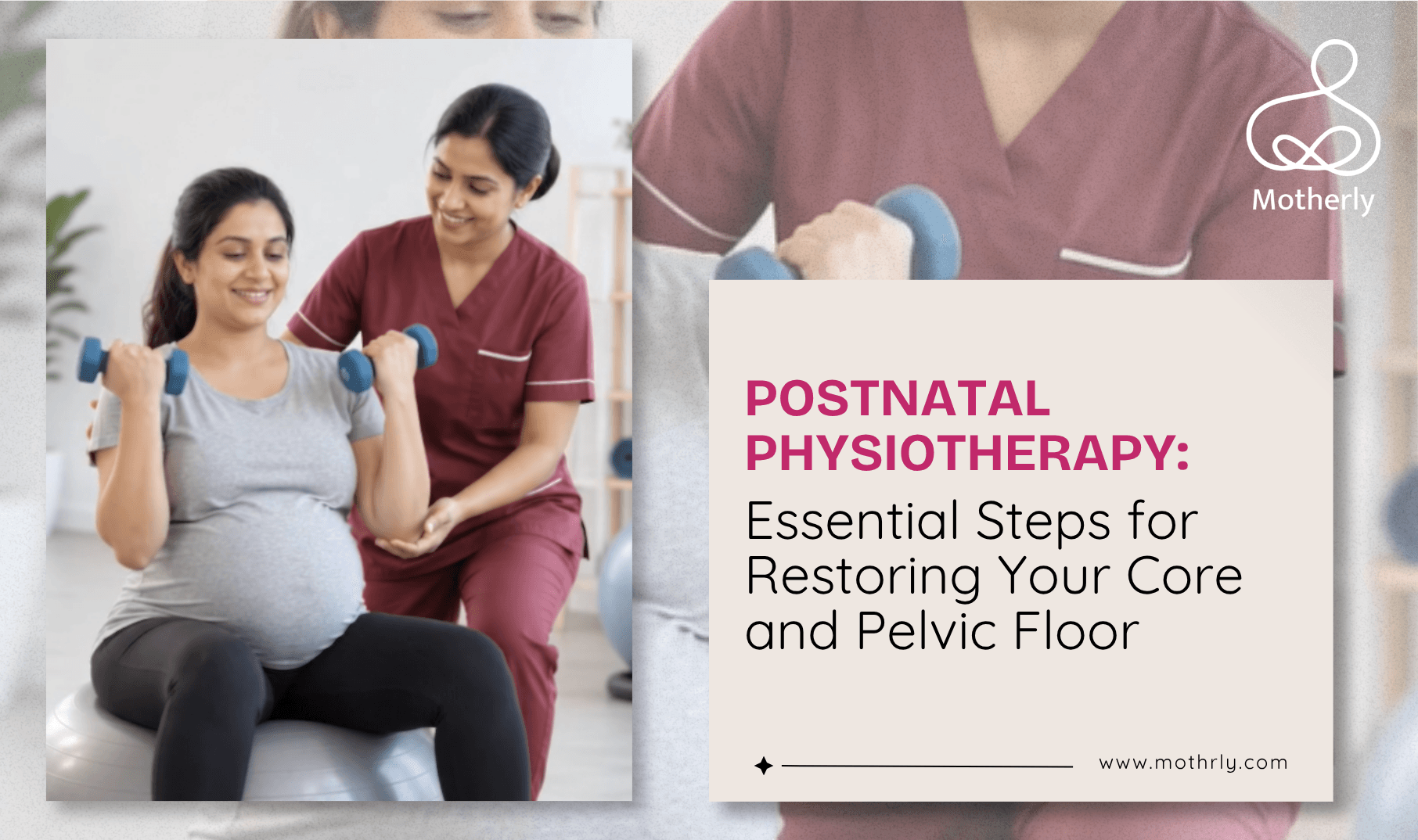
- Pelvic floor and core rehabilitation. A postnatal physiotherapy assessment can address leakage, diastasis recti, and pain.
- Emotional health. Postpartum depression and anxiety can appear anytime in the first year. Speak up early.
- Return of periods and fertility. This varies, and ovulation can occur before your first period, even while breastfeeding, so discuss contraception if you want to space pregnancies.
- Returning to work. Plan feeding, pumping, and childcare ahead of time.
- Baby's milestones. Social smiles by about two months, rolling over by around four to six months, sitting up by about six months, and starting solids near six months.
- Vaccination schedule. Keep up with your baby's immunisations as advised locally.
Your Emotional Milestones
Emotional changes are as real as physical ones. You may feel excitement, worry, grief for your old life, or deep love mixed with exhaustion, sometimes all in one day. Talking openly with your partner, friends, or a professional makes a difference. Watch for persistent sadness, anxiety, intrusive thoughts, or difficulty bonding, and reach out early. These conditions are common and treatable.
Building Your Support Team
Consider who will help at each stage: your obstetrician or midwife, a doula, a lactation consultant, a paediatrician, a physiotherapist, and family or friends. A strong network means you never have to guess alone.
Planning for your baby's first checkups?
Find a paediatrician you trust.
You Deserve Proper Care Too — Not Just Your Baby
Book online or download the app to find your verified support specialist in Chennai.
Free to download · Android & iOS · Book in under 2 minutes · mothrly.comFrequently Asked Questions
1. How many antenatal visits will I need?
This varies by country and risk level. Many low-risk pregnancies involve around 8 to 12 visits, with more for those with medical conditions or complications. Your provider will personalise the schedule.
2. When will I feel my baby move for the first time?
Most people feel movements between weeks 16 and 25. If it is your first pregnancy, it may be closer to weeks 18 to 25. Your baby's movements will become stronger and more regular as pregnancy advances.
3. Which tests are essential during pregnancy?
Common ones include blood tests, urine tests, ultrasounds, a glucose screening for gestational diabetes, and screening for infections and blood group. Your provider will recommend what suits your situation.
4. When should I go to the hospital in labour?
Follow your provider's advice, but many recommend going when contractions are regular, about five minutes apart, lasting around a minute, for an hour. Go sooner if your waters break, you have bleeding, or your baby's movements reduce.
5. When does postpartum recovery end?
Most people feel physically recovered within six to eight weeks, but a full return of strength, energy, and emotional balance often takes several months to a year. Recovery is not linear, and support remains important.
Related Reads
- Gynecologist Consultation. Expert guidance from early pregnancy through recovery.
- First Trimester: What the Body Is Doing. What to expect in the early weeks of pregnancy.
- Second Trimester: The Golden Period. Making the most of the middle months.
- Third Trimester Preparation. Getting ready for labour and the first days with your baby.
- Pediatrician Consultation. Book your baby's first checkups with an experienced doctor.
Useful Resources & Guides
Keep Reading

DOULA CARE
The Complete Guide to Choosing the Right Doula for Your Birthing Journey
Choosing a doula? Learn what a doula does, how to interview candidates, check training and costs, and spot red flags be…
September 30, 2026

BREASTFEEDING
Overcoming Early Breastfeeding Challenges: Expert Advice from Lactation Consultants
Struggling with early breastfeeding? Lactation consultants explain how to fix latch problems, sore nipples, low milk wo…
September 30, 2026